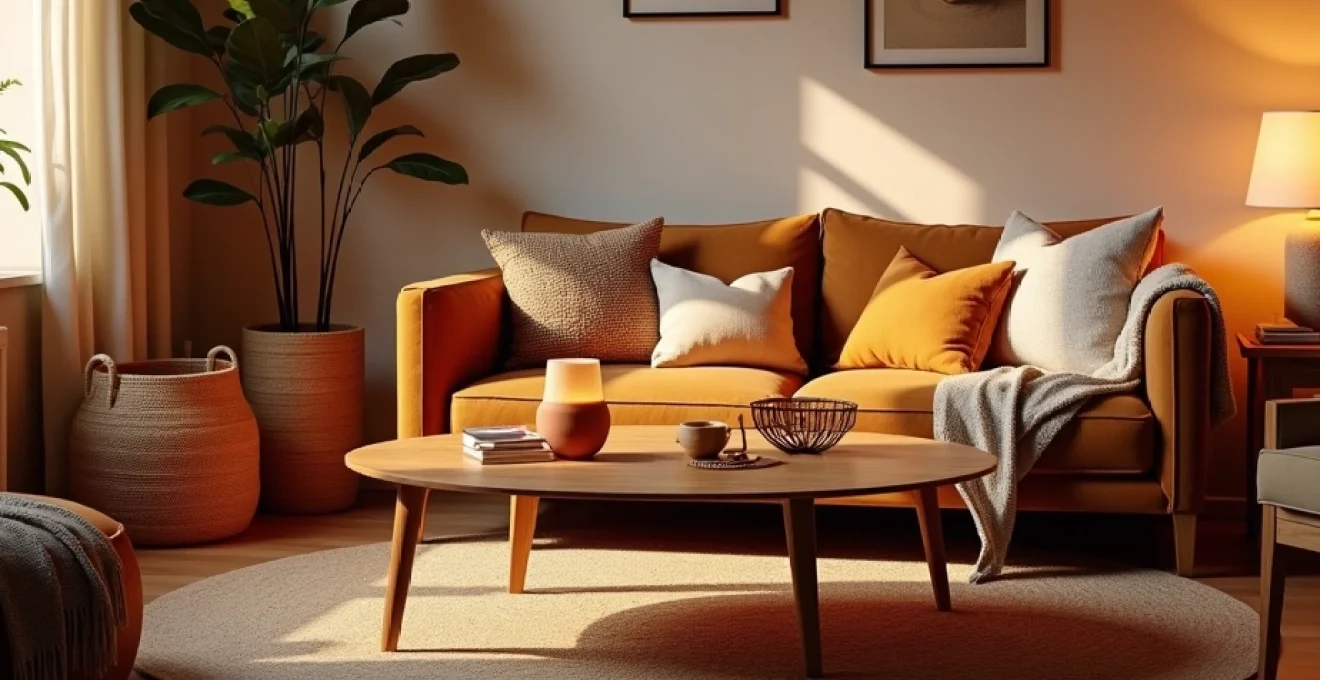
Creating a warm, inviting atmosphere in your home doesn’t require an extensive budget or countless decorative items. The art of transforming any space into a cozy sanctuary lies in selecting the right elements that maximize both visual impact and emotional comfort. Whether you’re working with a studio apartment or a spacious living room, strategic placement of carefully chosen objects can dramatically alter the ambiance of your environment.
The psychology of warmth in interior design extends far beyond temperature control. Atmospheric warmth encompasses visual, tactile, and emotional elements that work together to create spaces where people naturally want to linger. Research indicates that environments perceived as warm can actually influence our mood, productivity, and social interactions, making thoughtful design choices essential for both personal well-being and hospitality.
Understanding how different materials, textures, and lighting conditions affect our perception allows you to make informed decisions about which objects will deliver the greatest impact. The key lies in focusing on quality over quantity, selecting pieces that serve multiple sensory purposes while maintaining visual harmony throughout your space.
Warm lighting options for a cozy space
Lighting serves as the foundation for any warm atmosphere, fundamentally altering how colors appear, how textures feel, and how comfortable people feel in a space. The difference between cold, clinical lighting and warm, inviting illumination can transform the same room into entirely different experiences. Professional interior designers consistently emphasize that lighting design represents one of the most cost-effective ways to enhance any living environment.
The color temperature of light, measured in Kelvin, plays a crucial role in creating warmth. Bulbs ranging from 2200K to 3000K produce the warm white light that mimics natural candlelight and sunset tones, while anything above 4000K begins to feel cooler and more sterile. This technical understanding helps you select the right bulbs for your fixtures, ensuring consistent warmth throughout your space.
Table lamps with soft white shades
Table lamps offer unparalleled versatility in creating intimate lighting zones within larger spaces. Unlike overhead lighting that can feel harsh and uninviting, strategically placed table lamps provide pools of gentle illumination that encourage relaxation and conversation. The height and placement of these fixtures significantly impacts their effectiveness, with eye-level positioning typically creating the most flattering and comfortable light distribution.
Lamp shade materials dramatically influence the quality of light diffusion. Fabric shades in cream, warm white, or natural linen tones filter light beautifully, creating soft edges that eliminate harsh shadows. Consider the lamp base materials as well – ceramic, wood, or brushed metals in warm finishes contribute to the overall aesthetic while the shade handles the functional lighting requirements.
String lights to create ambient glow
String lights have evolved far beyond their holiday origins to become sophisticated design elements that add magical ambiance to any space. The key to using string lights effectively lies in strategic placement and bulb selection. Warm LED string lights consume minimal energy while providing consistent, long-lasting illumination that can operate for hours without generating heat.
Installation techniques range from simple draping along walls or furniture to more elaborate configurations around architectural features. Battery-operated options offer flexibility for areas without convenient electrical access, while plug-in varieties provide reliable power for permanent installations. The spacing between bulbs affects the overall impact – tighter spacing creates more continuous light, while wider spacing produces distinct points of illumination.
Candles for intimate relaxing atmosphere
Nothing quite replicates the primal comfort of flickering candlelight. The dynamic nature of flame creates constantly shifting shadows and highlights that add life and movement to static spaces. Beyond their visual appeal, quality candles contribute pleasant fragrances that enhance the sensory experience of your environment.
Safety considerations become paramount when incorporating candles into your design scheme. LED candles with realistic flickering effects offer the visual benefits without fire risks, making them ideal for homes with pets, children, or areas where supervision might be limited. For authentic candles, proper holders, adequate clearance from flammable materials, and established safety routines ensure you can enjoy their benefits responsibly.
The interplay of multiple light sources at different heights creates visual depth and interest that single overhead fixtures simply cannot achieve.
Textiles that bring comfort and warmth
Soft furnishings represent one of the most immediately impactful ways to introduce warmth into any space. Textiles engage our sense of touch while providing visual weight and color that can completely transform a room’s character. The strategic layering of different textures and materials creates depth and interest that invites both physical comfort and visual exploration.
The psychology of texture plays a significant role in how we perceive comfort. Smooth, cool surfaces like glass or metal can feel sophisticated but potentially unwelcoming, while tactile materials like wool, cotton, or faux fur immediately suggest comfort and relaxation. Understanding these subconscious associations helps you select textiles that support your desired atmosphere.
Plush throw blankets in rich colors
Throw blankets serve dual purposes as both functional comfort items and decorative elements that can instantly change a room’s color palette. The draping quality of different fabrics affects how they appear when casually placed on furniture – heavier materials like wool or fleece maintain their shape and create structured folds, while lighter fabrics like cotton or bamboo create flowing, relaxed silhouettes.
Color selection for throw blankets requires considering both your existing decor and the psychological impact of different hues. Deep jewel tones like burgundy, forest green, or navy blue add sophistication and warmth, while earth tones like terracotta, golden yellow, or rust create welcoming, natural-feeling environments. Neutral colors in cream, beige, or soft gray provide versatility and can complement changing seasonal decorations.
Decorative pillows with inviting textures
Decorative pillows offer an economical way to experiment with colors, patterns, and textures without major commitment. The variety of available fabrics allows you to introduce elements like velvet, chenille, knit, or faux fur that provide immediate tactile appeal. Size and shape variations create visual interest – combining different scales from small lumbar pillows to large floor cushions establishes rhythm and balance.
The arrangement of decorative pillows affects both comfort and aesthetics. Professional stylists recommend using odd numbers of pillows for the most visually pleasing compositions, with varying heights and textures creating dynamic groupings. Consider the practical aspects as well – pillows that are too delicate or difficult to clean may discourage actual use, defeating their comfort-enhancing purpose.
Soft rugs to anchor the room
Area rugs provide both physical warmth underfoot and visual warmth through color and pattern. The size and placement of rugs significantly impacts their effectiveness – undersized rugs can make spaces feel disjointed, while properly proportioned rugs unify furniture groupings and define specific areas within larger rooms.
Material selection affects both the look and feel of area rugs. Natural fibers like wool offer durability and natural stain resistance, while synthetic options provide affordability and easy maintenance. The pile height influences both appearance and comfort – higher piles feel more luxurious underfoot but require more maintenance, while lower piles offer easier cleaning and work well in high-traffic areas.
Carefully curated decor elements
The concept of curated decorating emphasizes quality and intention over quantity, focusing on select pieces that genuinely enhance your living experience rather than simply filling space. This approach requires developing an eye for items that serve multiple purposes – providing visual interest, reflecting personal taste, and contributing to the overall atmospheric goals of your space. Successful curation involves understanding scale, proportion, and visual weight to create balanced compositions that feel both intentional and effortless.
Effective curation requires patience and restraint. Rather than purchasing multiple small items to fill empty surfaces, invest in fewer, higher-quality pieces that truly resonate with your aesthetic preferences and lifestyle needs. This strategy not only creates more impactful visual statements but also reduces clutter and maintenance requirements, allowing each chosen element to receive proper appreciation and care.
Consider the seasonal adaptability of your curated elements. Pieces that can transition through different times of year provide better long-term value and reduce the need for constant redecoration. Natural materials, classic forms, and neutral color palettes often possess this versatility, while seasonal accents can be added through smaller, easily changeable items like flowers, books, or small decorative objects.
The placement and grouping of curated pieces requires understanding visual principles like the rule of thirds, balance, and proportion. Items arranged in odd-numbered groupings typically appear more natural and visually interesting than even numbers. Height variation within groupings creates dynamic compositions that draw the eye and maintain interest. Consider sight lines from different positions within the room to ensure your carefully chosen pieces can be appreciated from multiple vantage points.
Thoughtful curation transforms random collections into cohesive design statements that reflect personality while maintaining visual harmony.
Warm natural materials in furnishings
Natural materials possess inherent qualities that immediately convey warmth and authenticity in interior spaces. Unlike synthetic alternatives, materials like wood, stone, leather, and natural fibers carry unique variations in grain, texture, and color that create visual interest and tactile appeal. These materials often improve with age, developing patina and character that enhances rather than detracts from their appearance over time.
The sustainability aspect of natural materials adds another dimension to their appeal. As environmental consciousness influences design decisions, choosing materials with minimal processing requirements and renewable sources aligns aesthetic preferences with ethical considerations. Many natural materials also offer superior durability compared to synthetic alternatives, providing better long-term value despite potentially higher initial costs.
Wooden tables for rustic charm
Wood furniture brings immediate warmth through its natural grain patterns, rich color variations, and tactile surface qualities. Different wood species offer distinct characteristics – oak provides bold grain patterns and durability, while walnut offers sophisticated dark tones and smooth texture. Pine and cedar contribute lighter colors and aromatic qualities that enhance the sensory experience of your space.
The finish applied to wooden furniture significantly affects its appearance and maintenance requirements. Natural oil finishes preserve the wood’s tactile qualities while allowing the natural grain to show through clearly. Painted finishes can incorporate wood furniture into specific color schemes while maintaining the underlying warmth that wood provides. Consider the intended use of wooden pieces when selecting finishes – high-use surfaces may require more durable treatments.
Woven baskets to add organic texture
Woven baskets provide functional storage solutions while contributing organic textures and natural color palettes to your decor. The variety of weaving techniques, from tight geometric patterns to loose, flowing designs, allows you to select styles that complement your existing aesthetic preferences. Materials range from traditional wicker and rattan to modern options like seagrass, jute, and recycled fibers.
The versatility of woven baskets makes them particularly valuable in multi-functional decorating schemes . They can store blankets, magazines, toys, or seasonal items while remaining visually appealing. Different sizes can be nested together for space efficiency or arranged separately to create varying scales of visual interest. Consider the handle designs and shapes when selecting baskets – some are optimized for portability, while others are designed primarily for stationary display.
Leather accents evoking classic comfort
Leather accessories and furniture pieces contribute sophisticated warmth through their rich colors, supple textures, and distinctive aroma. Quality leather develops character over time, with use patterns and natural aging creating unique patina that enhances rather than diminishes its appeal. The range of leather types, from smooth, polished finishes to rough, distressed textures, provides options for various design aesthetics.
Leather care requirements vary depending on the type and finish, but proper maintenance ensures longevity and continued beauty. Regular conditioning prevents cracking and preserves flexibility, while prompt attention to spills prevents permanent staining. Understanding these care requirements helps you select leather pieces that match your lifestyle and maintenance preferences, ensuring they remain beautiful and functional for years to come.
Personalized touches that feel like home
Personal elements transform generic spaces into meaningful environments that reflect individual histories, relationships, and aspirations. These pieces serve as conversation starters, memory triggers, and sources of daily joy that commercial decorations simply cannot replicate. The challenge lies in incorporating personal items tastefully, avoiding clutter while ensuring your space truly represents your unique personality and experiences.
The emotional impact of personalized decor extends beyond mere aesthetics. Surrounding yourself with meaningful objects contributes to psychological well-being, providing comfort during stressful periods and reinforcing positive memories during daily routines. Research in environmental psychology confirms that personalized spaces contribute to increased satisfaction, reduced stress, and improved overall quality of life.
Framed photos of cherished memories
Photography displays require careful consideration of both content and presentation to achieve maximum impact without overwhelming your space. Mixed frame sizes and styles can create dynamic gallery walls, while consistent framing provides clean, unified appearances. The selection of images should balance personal significance with visual appeal, choosing photos with good composition and appropriate resolution for their intended display size.
Placement strategies for photo displays depend on viewing distances and lighting conditions. Eye-level mounting ensures comfortable viewing, while groupings should maintain appropriate spacing to prevent crowded appearances. Consider the longevity of your photo selections – images that remain meaningful over time provide better long-term satisfaction than trendy shots that may lose their appeal.
Artworks reflecting your unique style
Art selection represents one of the most personal aspects of interior decorating, providing opportunities to express aesthetic preferences, cultural interests, and intellectual pursuits. Whether choosing original pieces, limited editions, or high-quality reproductions, artwork should resonate with your personal taste rather than following current trends or others’ recommendations.
The scale and placement of artwork significantly affects its impact within your space. Large pieces can serve as focal points that anchor entire rooms, while smaller works might complement other design elements or fill specific architectural features. Lighting considerations become crucial for artwork appreciation – proper illumination enhances colors and details while preventing glare that interferes with viewing.
Meaningful keepsakes on display
Treasured objects from travels, family history, or personal achievements add authentic personality to your decor while serving as tangible connections to important life experiences. The key to displaying keepsakes effectively lies in treating them with the same design consideration given to purchased decorative items, ensuring they contribute positively to your overall aesthetic rather than creating visual chaos.
Grouping strategies for meaningful objects should consider scale, color, and thematic connections. Items with similar materials or colors can be grouped together for cohesive presentations, while contrasting pieces might be distributed throughout the space for visual balance. Protective considerations become important for fragile or valuable keepsakes – appropriate shelving, adequate clearance from high-traffic areas, and protection from direct sunlight help preserve these irreplaceable items for future enjoyment.
The most successful personalized spaces balance meaningful objects with thoughtful design principles, creating environments that are both beautiful and authentically representative of their inhabitants.