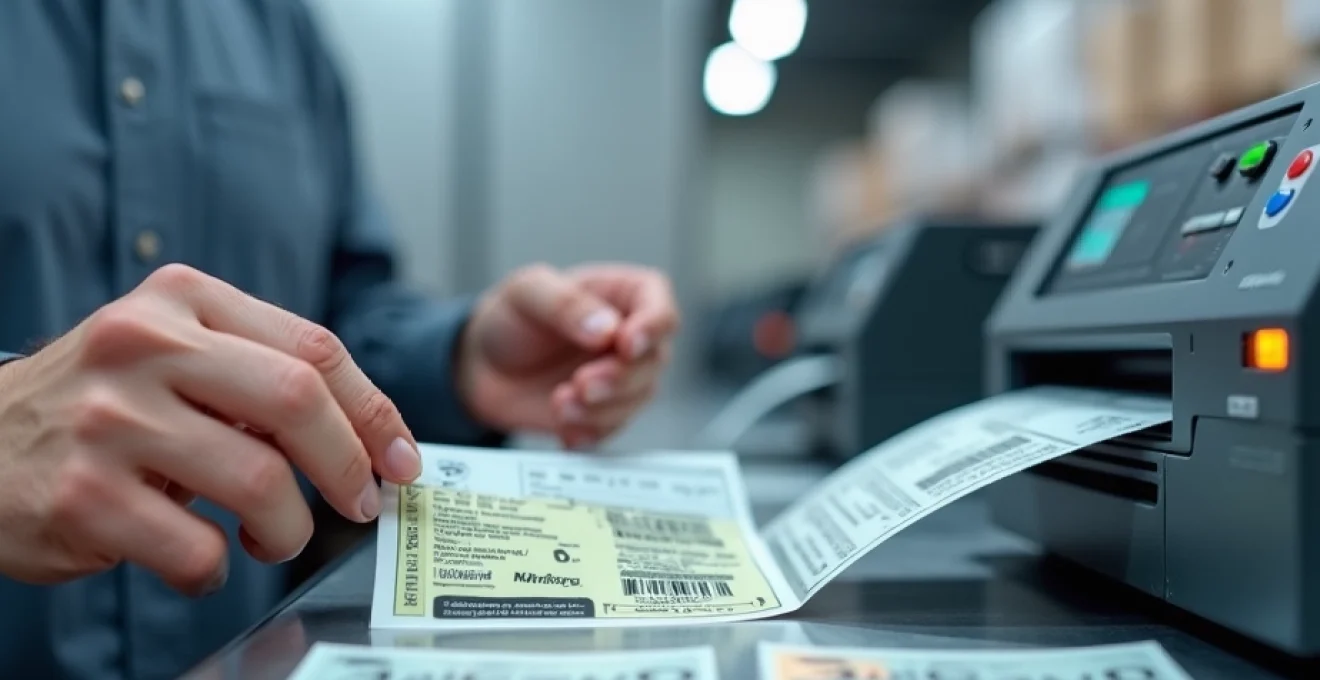
The packaging and labeling industry stands at a critical juncture where environmental responsibility meets operational efficiency. Traditional labeling systems have long relied on backing paper that generates substantial waste, creating mounting pressure on businesses to find more sustainable alternatives. Linerless printing technology emerges as a revolutionary solution that eliminates the need for silicone-coated backing paper while maintaining superior print quality and application efficiency.
Modern businesses face increasing scrutiny from consumers, regulatory bodies, and stakeholders regarding their environmental impact. The labeling sector alone generates millions of tons of liner waste annually, much of which ends up in landfills due to the complex silicone coating that makes recycling challenging. This environmental burden has sparked innovation in printing technologies, with linerless systems leading the charge toward more sustainable labeling practices.
The adoption of linerless printing represents more than just a technological upgrade—it signifies a fundamental shift in how organizations approach their labeling operations. Companies across various industries are discovering that sustainable practices often align perfectly with cost reduction and operational efficiency goals. As market research indicates steady growth in the linerless label sector, with projections reaching $2.51 billion by 2029, the technology proves its value beyond environmental benefits.
Linerless printers: A sustainable labeling technology
Linerless printing technology fundamentally reimagines the traditional labeling process by eliminating the paper backing that typically carries adhesive labels. Instead of relying on silicone-coated liner material, these innovative systems utilize specially formulated adhesives and surface coatings that prevent labels from sticking to themselves while rolled. A Linerless printer features specialized components including non-stick platen rollers and integrated cutting mechanisms that handle the adhesive media seamlessly without contamination or jamming.
The engineering behind linerless systems represents a significant advancement in thermal printing technology. These printers incorporate precision cutting mechanisms that slice labels to exact specifications, eliminating the waste associated with pre-cut label formats. The absence of backing material allows for variable-length printing, meaning labels can be customized to the precise size required for each application, further reducing material waste and optimizing cost efficiency.
Manufacturing processes for linerless labels employ advanced adhesive formulations that remain stable during storage and handling while activating precisely when applied to target surfaces. This technological sophistication ensures consistent performance across diverse environmental conditions, from cold storage facilities to high-temperature manufacturing environments. Quality control measures in linerless label production exceed traditional standards, as the absence of backing paper requires more precise adhesive application and coating uniformity.
The versatility of linerless printing extends beyond simple label production to encompass complex variable data printing applications. Modern linerless systems can integrate seamlessly with enterprise resource planning systems, enabling real-time customization of labels with barcodes, QR codes, product information, and compliance data. This integration capability positions linerless technology as a comprehensive solution for businesses seeking to modernize their labeling operations while embracing sustainable practices.
Environmental benefits of linerless printing solutions
The environmental advantages of linerless printing extend far beyond the obvious elimination of backing paper waste. These comprehensive benefits create a cascading effect of positive environmental impact throughout the supply chain, from raw material extraction to end-of-life disposal. Understanding the full scope of environmental benefits helps organizations make informed decisions about adopting this sustainable technology.
Reduced waste production in labeling processes
Traditional labeling operations generate substantial waste streams through discarded liner material, with some high-volume operations producing hundreds of pounds of waste daily. Linerless technology eliminates this waste stream entirely, creating immediate and measurable environmental benefits. The impact becomes particularly significant in industries with high labeling volumes, such as logistics, food processing, and retail operations where millions of labels are applied annually.
The elimination of liner waste also addresses the complex recycling challenges associated with silicone-coated materials. Traditional label liners require specialized recycling processes due to their composite construction, and many facilities lack the capability to process these materials effectively. Linerless labels, composed primarily of recyclable paper and adhesive, integrate more easily into standard paper recycling streams, improving overall waste management efficiency.
Minimized carbon footprint for printing companies
Carbon footprint reduction through linerless printing occurs across multiple operational dimensions. The manufacturing process for linerless labels requires fewer raw materials, reducing energy consumption during production and minimizing transportation-related emissions. Studies indicate that linerless labels can reduce transportation volume by up to 50% compared to traditional labels due to the compact roll configuration without backing material.
The extended roll life of linerless labels contributes to reduced delivery frequency and optimized logistics operations. Companies report significant reductions in material handling activities, with some operations experiencing 30-40% fewer roll changes throughout their labeling processes. This efficiency translates directly to reduced fuel consumption for delivery vehicles and decreased packaging materials for shipping supplies.
Responsible resource management with linerless technology
Resource conservation through linerless printing extends beyond material savings to encompass water and energy usage throughout the supply chain. The production of traditional label liners requires significant water consumption for silicone coating processes, while linerless labels eliminate this requirement entirely. Manufacturing facilities report substantial reductions in process water usage when transitioning from traditional to linerless label production.
The storage efficiency of linerless labels creates additional resource management benefits. The compact nature of linerless rolls requires less warehouse space, reducing facility energy consumption for climate control and lighting. Companies utilizing linerless technology report storage space savings of 40-50% for equivalent label quantities, enabling more efficient facility utilization and reduced real estate requirements.
Efficient labeling with linerless printer models
Modern linerless printer technology has evolved to address the operational challenges that initially limited adoption in certain applications. Today’s systems incorporate sophisticated engineering solutions that ensure reliable performance while maximizing the efficiency benefits inherent to linerless printing. These technological advancements have expanded the applicability of linerless systems across diverse industrial environments.
Streamlined label application on various products
The direct application capability of linerless labels eliminates the intermediate step of liner removal, reducing labor time by an estimated 25-35% in high-volume operations. Workers can print and apply labels in a single motion, improving ergonomics and reducing repetitive strain injuries associated with traditional peeling and applying processes. Operational studies demonstrate significant productivity improvements, particularly in fast-paced environments such as shipping facilities and retail stockrooms.
Variable-length cutting capability enables precise label sizing for different products without material waste. This flexibility proves particularly valuable in industries handling diverse product sizes, such as e-commerce fulfillment centers processing everything from small electronics to large appliances. The ability to optimize label size for each application reduces adhesive costs and improves package aesthetics.
Increased productivity in packaging facilities
Packaging operations utilizing linerless technology report measurable improvements in throughput and efficiency metrics. The extended roll capacity of linerless systems reduces downtime for material changes, with some facilities experiencing 40-60% fewer interruptions during peak operational periods. Production managers consistently note improved workflow continuity and reduced labor allocation requirements for material handling tasks.
Integration with automated packaging systems becomes more seamless with linerless technology due to the absence of waste material handling requirements. Automated production lines benefit from simplified material flow and reduced maintenance requirements associated with liner waste removal systems. The reliability of linerless printing in automated environments has improved significantly with advances in adhesive formulation and cutting mechanism precision.
Optimized storage space for printing supplies
The space efficiency of linerless label rolls creates substantial operational advantages in facilities where storage space commands premium costs. Distribution centers report storage density improvements of 45-55% when transitioning to linerless systems, enabling better inventory management and reduced facility overhead costs. The compact design also facilitates mobile printing applications where space constraints limit traditional label storage options.
Inventory management becomes more straightforward with linerless systems due to the standardized roll format that accommodates multiple label sizes and applications. This versatility reduces the need for maintaining diverse label stock while ensuring availability for various operational requirements. The extended shelf life of linerless labels, when properly stored, further enhances inventory efficiency and reduces waste from expired materials.
Versatility of linerless labels across industries
The adaptability of linerless printing technology spans numerous industry sectors, each benefiting from unique applications tailored to specific operational requirements. Healthcare facilities utilize linerless labels for prescription bottles, patient identification bands, and medical equipment tagging, where waste reduction and hygiene considerations make liner elimination particularly valuable. The ability to print variable-length labels proves essential for accommodating different medication information requirements without standardizing on oversized labels.
Food service operations have embraced linerless technology for ingredient labeling, expiration date marking, and allergen information compliance. The elimination of liner waste in commercial kitchens addresses both cleanliness concerns and waste management challenges. Restaurant chains report improved efficiency in food preparation areas where quick labeling without liner handling streamlines operations during peak service periods.
Logistics and shipping operations represent perhaps the most transformative application area for linerless printing, where the combination of reduced waste, improved efficiency, and cost savings creates compelling operational advantages.
Manufacturing environments benefit from linerless technology in product identification, work-in-process tracking, and quality control applications. The durability of linerless labels in industrial settings, combined with the flexibility of variable-length printing, enables precise identification solutions for diverse manufacturing requirements. Assembly line operations particularly value the quick application capability that maintains production pace while ensuring accurate product tracking.
Retail applications of linerless printing extend from basic price labeling to complex promotional campaigns requiring variable data integration. The ability to print and apply labels without liner handling proves especially valuable during inventory management and seasonal product changeovers. Point-of-sale environments benefit from the cleaner appearance and improved workflow efficiency that linerless systems provide.
Cost-effectiveness of adopting linerless printing technology
The financial benefits of linerless printing technology extend beyond immediate material cost savings to encompass comprehensive operational improvements that impact multiple aspects of business performance. Organizations evaluating linerless adoption must consider both direct and indirect cost factors to understand the full economic impact of this technology transition.
Long-term savings on labeling materials
Material cost analysis reveals significant advantages for linerless systems, with organizations typically experiencing 15-25% reduction in labeling material expenses. The elimination of liner material reduces raw material costs while the increased labels per roll decrease shipping and handling expenses. Volume calculations demonstrate that equivalent labeling capacity requires 40-50% fewer roll shipments, substantially reducing logistics costs and storage requirements.
The variable-length capability of linerless systems eliminates waste associated with standardized label sizes that may be larger than necessary for specific applications. Companies report material utilization improvements of 20-30% when optimizing label sizes for actual content requirements rather than accepting standard dimensions. This precision reduces both material costs and adhesive consumption per labeled item.
Reduced maintenance costs for printing equipment
Maintenance requirements for linerless printers differ significantly from traditional systems, with most organizations experiencing reduced overall maintenance costs despite the specialized nature of the equipment. The elimination of liner material reduces contamination issues and mechanical wear associated with waste handling systems. Service technicians report fewer maintenance calls related to adhesive buildup and mechanical jamming in properly maintained linerless systems.
The specialized maintenance requirements for linerless printers, particularly regarding cutting mechanism cleaning and adhesive residue management, require proper training and procedure implementation. However, organizations that establish appropriate maintenance protocols find the overall equipment reliability exceeds traditional printing systems due to simplified paper paths and reduced mechanical complexity.
Improved operational efficiency in supply chain
Supply chain optimization through linerless technology creates measurable improvements in operational efficiency metrics. Distribution centers report reduced labor costs associated with material handling and waste management, with some operations achieving 20-35% improvement in labeling productivity. The elimination of liner waste disposal costs, which can represent significant expense in high-volume operations, contributes to improved profit margins.
The flexibility of linerless systems enables just-in-time labeling strategies that reduce inventory holding costs and improve responsiveness to changing requirements. Organizations can maintain smaller label inventories while accommodating diverse application needs through variable-length printing capabilities. This approach reduces working capital requirements and minimizes obsolete inventory risks associated with pre-sized labels.
The integration of linerless printing with automated systems creates synergistic efficiency improvements that compound the individual benefits of waste reduction and operational streamlining.
Quality improvements in labeling consistency and application reliability contribute to reduced product returns and customer satisfaction issues. The precise cutting and application capabilities of modern linerless systems ensure uniform label appearance and adhesion performance across diverse product applications. These quality benefits translate to reduced customer service costs and improved brand perception in consumer-facing applications.