Climate change and environmental degradation represent some of the most pressing challenges facing our planet today. With global temperatures rising and natural resources becoming increasingly scarce, individual action has never been more critical. The choices you make in your daily life can significantly impact the environment, from the way you travel to work to how you manage household waste. Research shows that simple behavioral changes can collectively create substantial positive environmental outcomes when adopted by millions of people worldwide.
The good news is that reducing your environmental footprint doesn’t require dramatic lifestyle overhauls or expensive investments. Many effective strategies are surprisingly straightforward and can even save you money while protecting the planet. From transportation choices to energy consumption habits, small modifications to your routine can contribute meaningfully to global sustainability efforts. Understanding which actions provide the greatest environmental benefits helps you prioritize your efforts and maximize your positive impact on the world around you.
Adopt sustainable transportation habits
Transportation accounts for approximately 27% of total greenhouse gas emissions in developed countries, making it one of the most significant areas where individual action can drive environmental change. The daily commute alone represents a substantial portion of most people’s carbon footprint, yet many transportation-related emissions can be reduced through conscious decision-making and planning.
Walk or bike for short trips
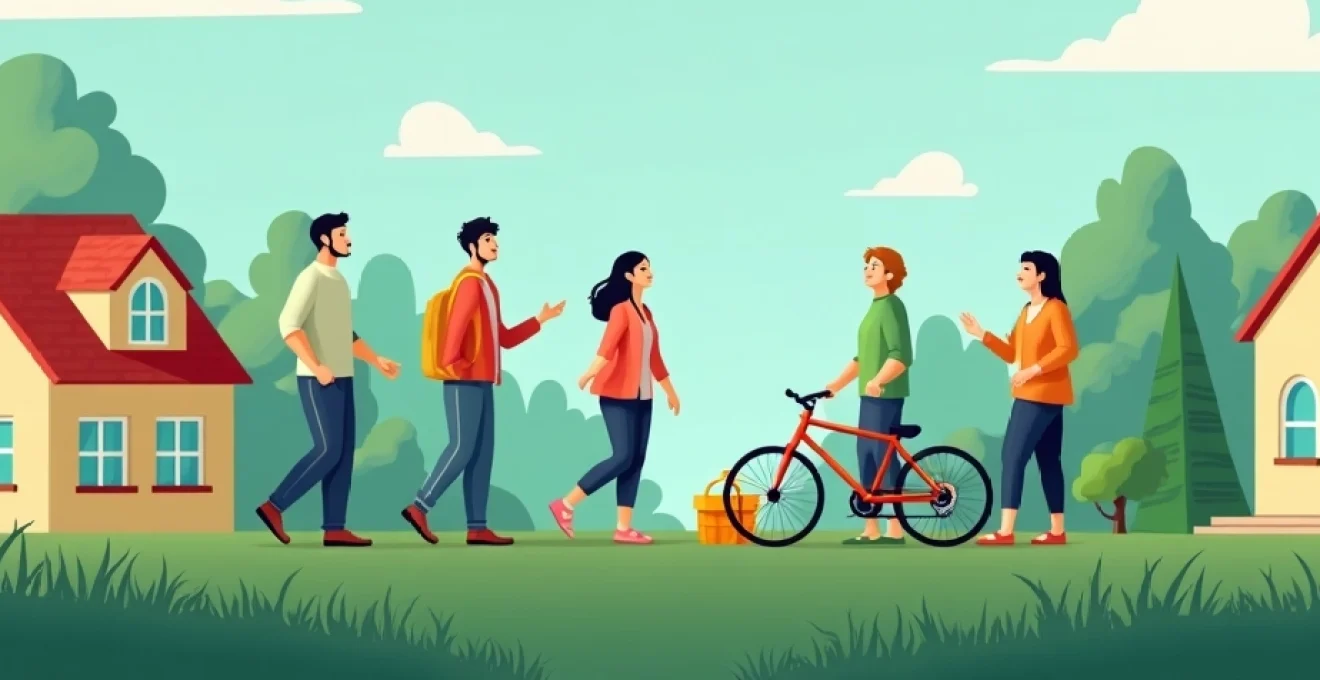
Replacing short car trips with walking or cycling delivers immediate environmental benefits while improving your physical health. Studies indicate that nearly 40% of car trips are less than two miles, distances that can easily be covered on foot or by bicycle. When you choose active transportation for these short journeys, you eliminate emissions entirely while reducing traffic congestion and air pollution in your community.
Cycling infrastructure has expanded dramatically in urban areas over the past decade, with protected bike lanes and bike-sharing programs making two-wheeled transportation more accessible than ever. A single bicycle can replace hundreds of car trips annually, preventing approximately 1,000 pounds of carbon dioxide emissions per year for the average commuter. The health benefits are equally impressive, with regular cycling reducing the risk of cardiovascular disease, diabetes, and obesity.
Use public transit when possible
Public transportation systems provide one of the most efficient methods for reducing per-capita transportation emissions. A single bus can replace up to 40 individual car trips, while electric trains and light rail systems offer even greater environmental advantages. Mass transit systems in major cities have evolved to include real-time tracking, mobile ticketing, and improved comfort features that make public transportation increasingly competitive with private vehicle ownership.
The environmental mathematics of public transit are compelling: buses produce 82% fewer greenhouse gas emissions per passenger mile than single-occupancy vehicles, while rail systems can reduce emissions by up to 85%. Beyond emission reductions, increased public transit usage helps decrease urban sprawl, reduces the need for parking infrastructure, and creates more walkable, livable communities.
Carpool with colleagues or friends
Carpooling represents one of the simplest ways to cut transportation emissions in half or more, depending on the number of passengers. Sharing rides to work, social events, or regular activities can reduce your annual carbon footprint by 2,000-4,000 pounds of CO2 while building stronger relationships with colleagues and friends. Modern ride-sharing apps have made organizing carpools easier than ever, with features that match compatible schedules and routes.
The economic benefits of carpooling extend beyond fuel savings to include reduced wear and tear on vehicles, lower parking costs, and decreased insurance premiums for some drivers. Many employers now offer carpool incentives, including preferred parking spaces, financial bonuses, or flexible scheduling to accommodate shared transportation arrangements. Commuter carpooling programs have grown by 35% in the past five years, demonstrating increasing recognition of their environmental and social benefits.
Reduce household energy consumption
Residential energy use accounts for approximately 20% of total energy consumption in developed nations, representing a significant opportunity for environmental impact reduction through improved efficiency and conservation practices. The average household spends over $2,000 annually on energy bills, much of which results from inefficient appliances, poor insulation, and wasteful consumption habits that can be corrected through targeted interventions.
Switch to energy-efficient LED bulbs
LED lighting technology has revolutionized home illumination, offering 75% energy savings compared to traditional incandescent bulbs while lasting 25 times longer. A typical LED bulb uses only 8-12 watts to produce the same light output as a 60-watt incandescent bulb, translating to significant electricity bill reductions and decreased carbon emissions. The initial investment in LED bulbs pays for itself within 6-12 months through energy savings alone.
Modern LED bulbs offer superior light quality with options for color temperature adjustment, dimming capabilities, and smart home integration. The environmental benefits extend beyond energy consumption to include reduced waste generation, as LED bulbs can last up to 25,000 hours compared to 1,000 hours for incandescent alternatives. Whole-house LED conversion can reduce lighting-related electricity consumption by 80% while eliminating the need for frequent bulb replacements.
Unplug devices not in use
Phantom energy consumption, also known as vampire power draw, occurs when electronic devices continue consuming electricity while in standby mode or when turned off. This invisible energy waste accounts for 5-10% of residential electricity consumption, costing the average household $100-200 annually while contributing unnecessary carbon emissions to the atmosphere.
Common culprits include televisions, gaming consoles, computer peripherals, phone chargers, and kitchen appliances with digital displays. A single cable box can consume 30 watts continuously, equivalent to running a bright LED bulb 24/7. Smart power strips and programmable outlets can automate the unplugging process, cutting phantom loads without requiring daily attention to individual devices. Energy monitoring systems help identify the biggest energy wasters in your home, enabling targeted interventions that maximize conservation impact.
Adjust thermostat settings seasonally
Heating and cooling systems represent the largest energy consumers in most homes, accounting for 40-50% of total residential energy use. Strategic thermostat management can reduce this consumption by 10-20% without significantly impacting comfort levels. Setting thermostats 7-10 degrees lower during winter months and higher during summer months when you’re away from home or sleeping can generate substantial energy savings.
Programmable and smart thermostats automate temperature adjustments based on your schedule and preferences, optimizing comfort while minimizing energy waste. These systems learn your habits and can adjust temperatures proactively, ensuring your home is comfortable when you arrive while avoiding unnecessary heating or cooling during vacant periods. Zoned HVAC systems allow for room-specific temperature control, further reducing energy consumption by conditioning only occupied spaces.
Every degree of thermostat adjustment can result in 6-8% energy savings, making temperature management one of the most cost-effective environmental actions available to homeowners.
Minimize waste generation
Waste reduction represents a fundamental principle of environmental sustainability, addressing resource consumption, landfill capacity, and pollution prevention simultaneously. The average person generates approximately 4.5 pounds of waste daily, much of which consists of materials that could be reused, recycled, or avoided entirely through conscious consumption choices. Modern waste streams contain valuable resources that can be recovered and reintegrated into production cycles, reducing the need for virgin material extraction and processing.
Opt for reusable shopping bags
Single-use plastic bags represent one of the most visible forms of environmental pollution, with billions of bags ending up in landfills, waterways, and natural ecosystems annually. These petroleum-based products require centuries to decompose and often break down into microplastics that contaminate food chains and water supplies. Reusable shopping bags offer a simple solution that eliminates this waste stream while providing superior carrying capacity and durability.
A single reusable bag can replace hundreds of single-use bags over its lifetime, preventing significant plastic waste while reducing petroleum consumption and manufacturing emissions. Modern reusable bags are designed for convenience, with foldable options that fit easily in purses or glove compartments, insulated versions for frozen foods, and machine-washable materials that maintain hygiene standards. Many retailers now offer discounts for customers who bring their own bags, creating economic incentives for sustainable behavior.
Compost organic kitchen scraps
Food waste constitutes approximately 30% of residential waste streams and represents one of the largest sources of methane emissions in landfills. When organic materials decompose in oxygen-poor landfill environments, they produce methane, a greenhouse gas that is 25 times more potent than carbon dioxide. Home composting systems provide an alternative disposal method that transforms food scraps into valuable soil amendment while eliminating methane production.
Composting can be implemented at various scales, from small apartment worm bins to large backyard compost piles, making this practice accessible regardless of living situation. The resulting compost improves soil health, reduces the need for chemical fertilizers, and enhances plant growth in gardens and landscaping. Studies show that households practicing composting can divert 25-30% of their waste from landfills while creating a valuable resource for local food production.
Recycle paper plastic glass metal
Effective recycling programs can recover 60-80% of materials that would otherwise occupy landfill space while requiring significantly less energy than producing goods from virgin materials. Aluminum recycling, for example, uses 95% less energy than primary aluminum production, while glass and paper recycling offer energy savings of 30-40% compared to virgin material processing. Proper sorting and preparation of recyclable materials ensures maximum recovery rates and maintains the quality of recycled products.
Modern recycling systems have expanded to include previously non-recyclable materials such as electronics, textiles, and complex packaging materials. Single-stream recycling programs have simplified the process for consumers, though contamination remains a significant challenge that reduces recovery rates and increases processing costs. Understanding local recycling guidelines and preparing materials correctly helps maximize the environmental benefits of recycling programs while supporting circular economy principles.
Support Eco-Friendly businesses
Consumer purchasing power represents one of the most effective tools for driving environmental change throughout the economy. When you choose to support businesses that prioritize sustainability, environmental protection, and responsible resource management, you send market signals that encourage broader adoption of eco-friendly practices. This economic pressure has led many companies to invest heavily in renewable energy, sustainable packaging, carbon-neutral shipping, and circular economy initiatives that reduce their overall environmental impact.
The concept of conscious consumerism has evolved beyond simple product choices to encompass supply chain transparency, corporate environmental policies, and long-term sustainability commitments. B-Corporation certified businesses, for example, must meet rigorous standards for environmental performance, accountability, and transparency, providing consumers with reliable indicators of genuine sustainability efforts. Research indicates that companies with strong environmental policies outperform their peers financially while delivering superior environmental outcomes.
Local businesses often provide inherently more sustainable options due to reduced transportation requirements, support for regional economies, and closer connections to community environmental values. Shopping at farmers markets, local retailers, and regional service providers typically results in lower carbon footprints while strengthening community resilience and economic diversity. Local sourcing networks have grown dramatically as consumers increasingly recognize the environmental and economic benefits of supporting nearby businesses.
Evaluating businesses based on their environmental commitments requires examining multiple factors including energy sources, waste management practices, packaging choices, and transportation methods. Many companies now publish detailed sustainability reports that outline their environmental goals, progress toward carbon neutrality, and specific initiatives to reduce resource consumption. Third-party certifications such as LEED for buildings, Energy Star for appliances, and Fair Trade for agricultural products provide standardized metrics for comparing environmental performance across different businesses and industries.
Supporting eco-friendly businesses creates market demand for sustainable practices, encouraging more companies to adopt environmentally responsible operations and accelerating the transition to a green economy.
Conserve water resources
Water conservation has become increasingly critical as climate change alters precipitation patterns, increases drought frequency, and strains existing water infrastructure systems worldwide. The average person uses approximately 80-100 gallons of water daily for drinking, cooking, cleaning, and landscaping, much of which can be reduced through efficiency improvements and behavioral changes that maintain quality of life while protecting this precious resource.
Indoor water consumption can be significantly reduced through the installation of low-flow fixtures, high-efficiency appliances, and leak detection systems that prevent waste. Simple modifications such as installing low-flow showerheads can reduce water usage by 30-50% without affecting shower quality, while high-efficiency washing machines and dishwashers use 40-60% less water than older models. Smart irrigation systems for landscaping use weather data and soil moisture sensors to optimize watering schedules, reducing outdoor water consumption by 20-40% while maintaining healthy landscapes.
Rainwater harvesting systems capture and store precipitation for later use in irrigation, toilet flushing, and other non-potable applications. These systems can be as simple as rain barrels connected to downspouts or as sophisticated as whole-house systems with filtration and pumping equipment. In areas with adequate rainfall, rainwater harvesting can supply 40-60% of household water needs while reducing stormwater runoff and associated pollution problems.
Greywater recycling systems reuse water from sinks, showers, and washing machines for landscape irrigation, reducing both freshwater consumption and wastewater production. Modern greywater systems incorporate biological treatment processes that remove soap residues and other contaminants, producing high-quality water suitable for subsurface irrigation systems. Integrated water management approaches combine conservation, rainwater harvesting, and greywater recycling to create resilient water systems that reduce environmental impact while ensuring reliable water supplies.
Water-efficient landscaping, also known as xeriscaping, utilizes native plants, efficient irrigation methods, and mulching techniques to create attractive outdoor spaces that require minimal water input. Native plants are naturally adapted to local climate conditions and typically require 50-80% less water than traditional lawn and garden installations. Drought-tolerant landscaping not only conserves water but also reduces the need for fertilizers, pesticides, and maintenance activities that can impact environmental quality. Permeable paving materials and rain gardens help manage stormwater runoff while replenishing groundwater supplies and preventing erosion.