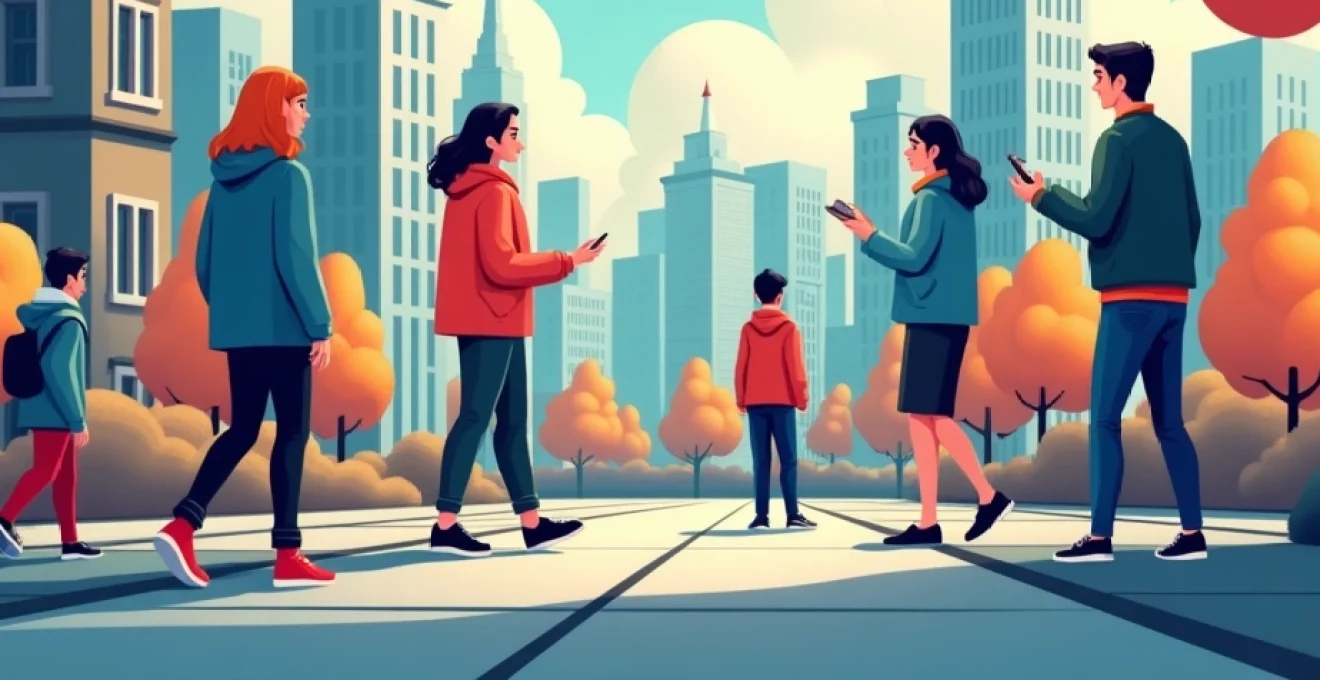
The relationship between individual behaviors and collective culture has never been more dynamic than it is today. As societies worldwide navigate rapid technological advancement, shifting social norms, and evolving communication patterns, we’re witnessing an unprecedented transformation in how new behaviors shape our shared cultural landscape. These behavioral changes don’t occur in isolation; they ripple through communities, organizations, and entire nations, creating cascading effects that redefine what we consider normal, acceptable, or desirable in our collective existence.
The speed at which behavioral innovations spread and become embedded in our cultural fabric has accelerated dramatically. What once took generations to influence societal norms can now shift cultural paradigms within months or even weeks. This acceleration is fundamentally altering how cultures evolve, adapt, and maintain their identity while remaining relevant in an increasingly interconnected world.
Emerging trends shape societal norms
Contemporary society demonstrates remarkable fluidity in how emerging trends transform into established cultural practices. The process begins when individuals adopt new behaviors that address specific needs or preferences, but these seemingly personal choices often reflect broader societal shifts that eventually become normative expectations. This transformation occurs through multiple channels, including peer networks, media representation, and institutional adoption.
The mechanism through which trends become cultural norms follows a predictable pattern of adoption, adaptation, and integration. Early adopters experiment with new behaviors, often driven by practical benefits or social distinction. As these behaviors prove effective or appealing, they spread through social networks, gaining legitimacy through repetition and visibility. Eventually, institutions begin to accommodate these behaviors, creating infrastructure and policies that support their continuation.
Digital platforms have fundamentally altered this process by providing unprecedented visibility to emerging behaviors and enabling rapid cross-cultural pollination. Social media algorithms amplify trending behaviors, creating artificial acceleration in their adoption rates. This phenomenon has compressed the timeline between emergence and normalization, making cultural evolution more reactive to immediate influences rather than gradual, organic development.
The democratization of influence through digital channels means that cultural change can originate from previously marginalized voices or niche communities. Behaviors that might have remained subcultural in previous eras now have the potential to influence mainstream culture within remarkably short timeframes. This shift has created more diverse cultural landscapes but also increased the volatility of cultural norms.
Cultural shifts driven by new habits
The formation of new habits represents one of the most powerful drivers of cultural transformation. Unlike temporary trends, habits embed themselves into daily routines, creating lasting behavioral changes that influence social interactions, economic patterns, and community structures. These habitual changes often begin as individual responses to specific circumstances but gradually reshape collective expectations and social frameworks.
Social media transforms human interactions
Social media platforms have fundamentally restructured how individuals communicate, share information, and maintain relationships. The habit of documenting and sharing personal experiences has created new cultural expectations around transparency, authenticity, and public engagement. These platforms have normalized behaviors such as seeking validation through likes and comments, curating personal brand images, and maintaining constant connectivity with extended social networks.
The culture of instant communication has altered professional and personal relationship dynamics. Response time expectations have compressed dramatically, creating pressure for immediate availability and quick decision-making. This shift has influenced workplace cultures, educational environments, and family dynamics, establishing new norms around accessibility and responsiveness that would have been inconceivable just two decades ago.
Remote work redefines professional landscapes
The widespread adoption of remote work practices has created lasting changes in professional culture that extend far beyond mere location flexibility. This behavioral shift has influenced attitudes toward work-life balance, productivity measurement, and team collaboration. Organizations have had to develop new cultural norms around trust, accountability, and communication to accommodate distributed workforce models.
Remote work habits have also influenced urban planning, family structures, and consumer behavior patterns. The ability to work from anywhere has led to geographic redistribution of talent, affecting local economies and community cultures. These changes demonstrate how professional behavioral adaptations can have cascading effects on broader social and economic systems.
E-commerce alters consumer purchasing patterns
The habit of online shopping has transformed not just retail landscapes but entire consumer cultures. The expectation for immediate gratification, convenient return policies, and personalized recommendations has become deeply embedded in consumer psychology. These behavioral changes have influenced brick-and-mortar retail strategies, supply chain management, and even social attitudes toward consumption and ownership.
The rise of subscription-based purchasing models has created new cultural norms around product access versus ownership. This shift reflects broader changes in how societies conceptualize material wealth, environmental responsibility, and financial planning. The habit of subscribing rather than purchasing has influenced everything from entertainment consumption to transportation choices.
Technological advancements accelerate behavioral changes
Technology serves as both a catalyst and enabler of behavioral transformation, creating new possibilities for human interaction while simultaneously establishing new constraints and expectations. The relationship between technological advancement and cultural change has become increasingly symbiotic, with each driving the evolution of the other at an accelerating pace.
The adoption of new technologies often requires learning new behaviors, which then become habituated through repeated use. These technology-driven behavioral changes frequently spread beyond their original contexts, influencing broader social interactions and cultural practices. The smartphone revolution exemplifies this phenomenon, transforming not just communication habits but entire social protocols around attention, privacy, and interpersonal engagement.
Smartphones enable constant connectivity
Smartphone usage has created a culture of perpetual connectivity that has fundamentally altered human attention patterns and social interaction norms. The habit of checking devices frequently has created new behavioral expectations around availability, multitasking, and information access. This constant connectivity has influenced everything from classroom protocols to dinner table etiquette, establishing new cultural norms around digital device usage in social settings.
The always-on mentality fostered by smartphone adoption has created both opportunities and challenges for cultural development. While increased connectivity enables rapid information sharing and global cultural exchange, it has also contributed to attention fragmentation and reduced tolerance for delayed gratification. These behavioral changes have influenced educational approaches, workplace productivity standards, and interpersonal relationship dynamics.
Streaming platforms disrupt entertainment consumption
The shift from scheduled broadcasting to on-demand streaming has created new cultural patterns around entertainment consumption and shared cultural experiences. The habit of binge-watching has influenced narrative structures in television and film production while also affecting social conversation patterns and leisure time allocation. This behavioral change has implications for how communities create shared cultural references and maintain collective experiences.
Streaming platform algorithms have introduced personalization into entertainment consumption, creating more individualized cultural experiences while potentially reducing shared cultural touchstones. This technology-driven behavioral change raises important questions about cultural cohesion and the role of common experiences in maintaining social bonds and collective identity.
Artificial intelligence impacts decision-making processes
The integration of AI-powered recommendations and automated decision-making tools has begun to influence human decision-making behaviors and expectations. People increasingly rely on algorithmic suggestions for everything from entertainment choices to purchasing decisions, creating new cultural norms around human-AI collaboration and algorithmic trust. These behavioral changes have implications for personal autonomy, critical thinking skills, and cultural diversity.
The habit of delegating certain decisions to AI systems reflects broader cultural shifts toward efficiency optimization and cognitive load reduction. However, this behavioral adaptation also raises questions about cultural authenticity and the preservation of human agency in shaping cultural evolution. As AI becomes more sophisticated, its influence on behavioral patterns and cultural development will likely increase significantly.
Generational differences influence cultural evolution
Generational cohorts develop distinct behavioral patterns based on their formative experiences with technology, social structures, and major historical events. These generational differences create dynamic tension within cultures, as newer behavioral norms compete with established practices for acceptance and integration. The interplay between generational perspectives drives cultural evolution by introducing new behaviors while preserving valuable traditional practices.
Digital natives, who have grown up with internet connectivity and social media, exhibit fundamentally different behaviors around privacy, communication, and information consumption compared to previous generations. These behavioral differences are gradually reshaping institutional policies, marketing strategies, and social service delivery methods as organizations adapt to accommodate evolving expectations and communication preferences.
The convergence of multiple generations in shared spaces creates opportunities for behavioral cross-pollination, where traditional practices adapt to incorporate new technologies while digital behaviors gain depth from historical context. This intergenerational dialogue prevents cultural evolution from becoming purely replacement-based, instead fostering integration and adaptation that maintains cultural continuity while enabling progress.
Economic pressures and changing career landscapes have created new behavioral patterns around education, career development, and financial planning that differ significantly across generations. These differences influence cultural values around stability, risk-taking, and success metrics, gradually shifting collective priorities and social support systems to accommodate emerging needs and expectations.
Globalization facilitates cross-cultural adaptations
The increasing interconnectedness of global communities has created unprecedented opportunities for behavioral patterns to cross cultural boundaries and influence diverse societies. Globalization enables the rapid transmission of new behaviors across geographic and cultural barriers, creating hybrid cultural practices that blend local traditions with international influences. This process has accelerated cultural evolution while also creating challenges for maintaining cultural distinctiveness and authenticity.
The mechanisms of global cultural exchange have evolved beyond traditional channels such as trade and migration to include digital platforms, international education, and global media consumption. These expanded channels enable more frequent and diverse cultural contact, increasing the likelihood that innovative behaviors developed in one context will find adoption and adaptation in completely different cultural settings.
International travel fosters cultural exchanges
The democratization of international travel has created more opportunities for direct cultural contact and behavioral observation. Travelers frequently adopt behaviors they encounter abroad, bringing these practices back to their home cultures where they may gain broader adoption. This process has accelerated the global spread of everything from culinary practices to business etiquette, creating more cosmopolitan cultural environments worldwide.
Travel-induced behavioral adoption often focuses on practices that enhance quality of life, efficiency, or social connection. These practical behavioral innovations tend to have high adoption rates because they address universal human needs while offering novel solutions or perspectives. The integration of travel-inspired behaviors demonstrates how direct cultural contact remains a powerful driver of cultural evolution despite digital connectivity.
Global trade spreads ideas across borders
International commerce serves as a vehicle for behavioral transmission through the products, services, and business practices that cross borders. Global brands often carry implicit behavioral expectations and cultural values that influence local practices and consumer behaviors. This commercial cultural exchange creates pressure for behavioral adaptation to accommodate international standards and expectations.
The rise of global supply chains and international business partnerships has created behavioral standardization pressures that influence workplace cultures, communication protocols, and professional development practices. These changes often begin in commercial contexts but eventually spread to broader social and cultural domains, demonstrating how economic integration drives behavioral and cultural convergence.
Immigration integrates diverse customs into societies
Immigration patterns create sustained opportunities for cultural and behavioral exchange as immigrants adapt to new environments while also introducing their own practices to host communities. This process creates bidirectional cultural influence, where both immigrant and host communities modify their behaviors to accommodate diversity and create functional multicultural environments.
The integration of immigrant populations often leads to the development of hybrid cultural practices that combine elements from multiple traditions. These fusion behaviors frequently become defining characteristics of multicultural societies, demonstrating how demographic changes drive cultural innovation and behavioral evolution. The success of these integration processes often depends on the willingness of all communities to adapt and adopt beneficial practices from different cultural backgrounds.
Second and third-generation immigrants often become particularly influential in cultural evolution, as they navigate between traditional family practices and contemporary social expectations. Their behavioral adaptations frequently create innovative solutions that bridge cultural gaps while maintaining connections to ancestral traditions, contributing to the ongoing evolution of multicultural societies and the development of new cultural norms that reflect diverse influences and perspectives.