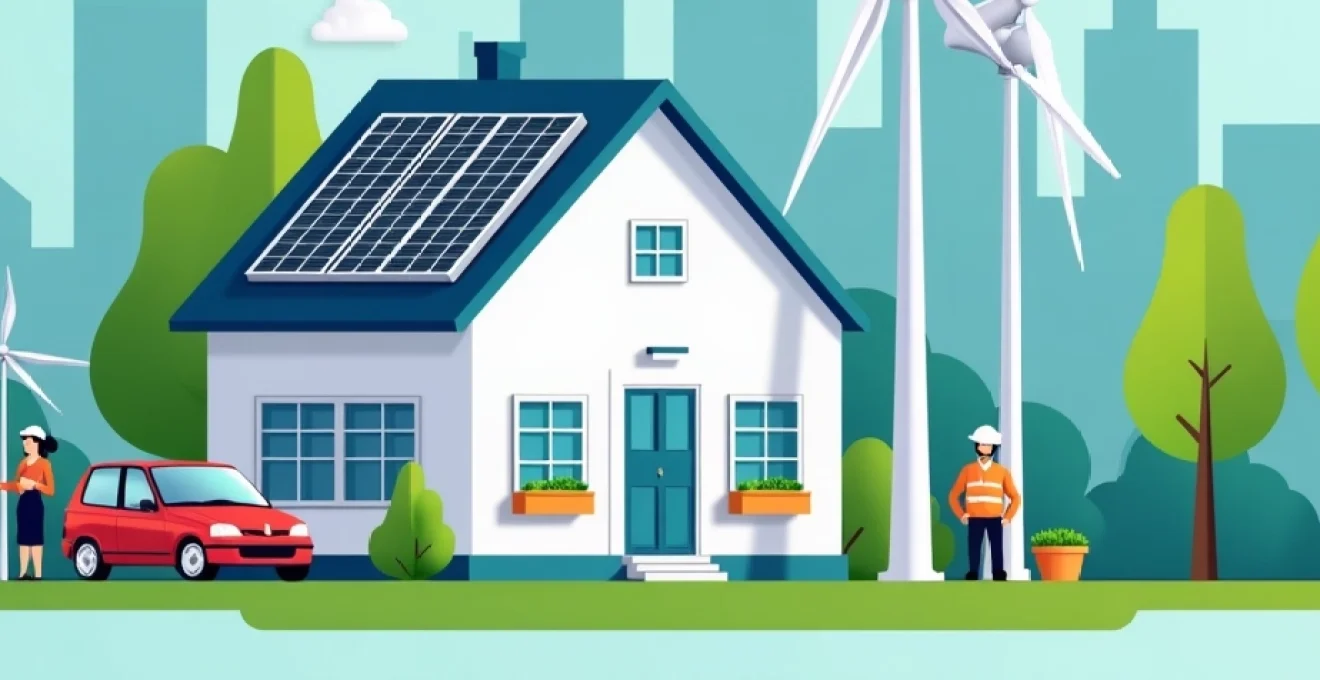
The transformation toward clean energy represents one of the most significant shifts in modern home management, offering households unprecedented opportunities to reduce environmental impact while achieving substantial cost savings. As traditional energy costs continue rising and climate concerns intensify, millions of homeowners are discovering that renewable energy systems provide both immediate benefits and long-term security. The transition to clean energy sources has become more accessible than ever, with advanced technologies, government incentives, and improved installation processes making sustainable power solutions viable for diverse household types and budgets.
Clean energy adoption extends beyond simple environmental responsibility—it represents a strategic investment in energy independence and financial stability. Modern renewable energy systems deliver reliable power generation while significantly reducing monthly utility expenses, often paying for themselves within several years through accumulated savings. The shift toward sustainable energy sources also increases property values and provides protection against volatile energy market fluctuations.
Benefits of switching to clean energy sources
Reduced household carbon footprint environmental impact
Transitioning to clean energy sources dramatically reduces your household’s carbon emissions, with most renewable systems eliminating between 80-95% of traditional energy-related greenhouse gas production. Solar photovoltaic systems alone can prevent approximately 3-4 tons of carbon dioxide emissions annually for an average household, equivalent to planting over 100 trees each year. This environmental impact extends beyond carbon reduction, as clean energy systems also eliminate air pollutants that contribute to smog formation and respiratory health issues in local communities.
The cumulative environmental benefits become even more pronounced when considering the lifecycle advantages of renewable energy systems. Unlike fossil fuel-based power generation, clean energy systems produce no ongoing emissions during operation, and modern manufacturing processes have significantly reduced the environmental impact of system production. Many renewable energy components are now manufactured using recycled materials and can themselves be recycled at the end of their operational lifespan.
Potential Long-Term cost savings on utilities
Clean energy systems offer substantial long-term financial benefits, with most residential installations achieving complete return on investment within 6-10 years while providing 20-25 years of continued savings. Average households can reduce electricity costs by 70-90% through comprehensive renewable energy installations, translating to thousands of dollars in annual savings depending on system size and local energy rates. These savings compound over time, as traditional utility rates continue increasing while renewable energy systems maintain consistent, predictable costs.
The financial advantages extend beyond direct utility savings through various additional benefits. Net metering programs allow households to sell excess energy back to the grid, creating potential revenue streams from surplus generation. Property tax exemptions and increased home values further enhance the financial appeal, with clean energy installations typically adding 3-4% to property valuations while often remaining exempt from additional property tax assessments.
Modern renewable energy systems can eliminate up to 90% of traditional electricity costs while providing 25+ years of reliable service, making them one of the most effective long-term investments available to homeowners.
Contribution to sustainable future for generations
Individual household transitions to clean energy contribute significantly to broader environmental and economic sustainability goals that benefit future generations. Each residential renewable energy installation reduces demand on traditional power grids, decreasing the need for additional fossil fuel infrastructure and supporting the transition toward comprehensive clean energy networks. Community-level adoption of renewable energy systems creates positive environmental cascades that extend far beyond individual household benefits.
The educational and inspirational impact of clean energy adoption also plays a crucial role in promoting sustainable practices within communities. Children growing up in homes powered by renewable energy develop environmental awareness and technological familiarity that influences lifelong sustainability choices. Neighborhood clean energy adoption often creates momentum for additional households to consider renewable options, amplifying positive environmental impacts across entire communities.
Types of clean energy for home use
Solar panels photovoltaic systems renewable electricity
Solar photovoltaic systems represent the most accessible and widely adopted clean energy solution for residential applications, converting sunlight directly into electricity through advanced semiconductor technology. Modern solar panels achieve efficiency rates of 18-22%, with premium systems reaching over 25% efficiency under optimal conditions. A typical 6-kilowatt residential solar system generates 8,000-12,000 kilowatt-hours annually, sufficient to power most average households while providing excess generation during peak sunlight periods.
Installation flexibility makes solar systems adaptable to diverse home configurations, with options including rooftop mounting, ground-mounted arrays, and integrated building materials. Advanced monitoring systems allow homeowners to track energy production and consumption in real-time, optimizing system performance and identifying potential maintenance needs. Battery storage integration provides energy independence during grid outages while maximizing the utilization of generated solar power during evening and cloudy periods.
The technological advancement in solar photovoltaic systems continues accelerating, with manufacturers developing increasingly efficient panels, improved inverter systems, and integrated smart home connectivity. Microinverter technology optimizes individual panel performance, reducing the impact of shading or panel variations on overall system output. These innovations ensure solar installations remain productive and reliable for decades while requiring minimal maintenance beyond periodic cleaning and annual inspections.
Wind turbines harnessing power generating energy
Residential wind energy systems offer excellent clean energy potential for properties with adequate wind resources and sufficient space for installation. Small-scale wind turbines designed for home use typically range from 1-10 kilowatts capacity, generating significant electricity in locations with average wind speeds exceeding 10 miles per hour. Optimal residential wind installations can produce 300-1,500 kilowatt-hours monthly depending on turbine size, wind conditions, and installation height.
Modern residential wind turbines feature advanced blade designs and variable-speed generators that maximize energy capture across diverse wind conditions while minimizing noise and vibration. Vertical-axis turbine designs offer advantages in suburban settings, operating effectively with turbulent wind patterns and requiring smaller installation footprints compared to traditional horizontal-axis systems. Smart grid integration allows wind-generated electricity to supplement household needs during high-production periods while feeding excess power back to utility networks.
Site assessment remains crucial for successful wind energy implementation, requiring evaluation of local wind patterns, zoning regulations, and potential obstacles that might affect turbine performance. Professional wind resource assessment typically involves several months of data collection to ensure adequate wind availability throughout seasonal variations. Installation considerations include tower height requirements, electrical connections, and maintenance access, all factors that influence long-term system performance and cost-effectiveness.
Geothermal heat pumps efficient temperature control
Geothermal heat pump systems harness stable underground temperatures to provide highly efficient heating and cooling for residential applications, achieving efficiency rates 3-5 times higher than traditional HVAC systems. These systems utilize the earth’s consistent temperature of approximately 50-60 degrees Fahrenheit at depths of 6-8 feet, transferring heat between your home and the ground through buried loop systems. Geothermal installations can reduce heating and cooling costs by 40-70% while providing superior indoor comfort and humidity control throughout all seasons.
Installation options include horizontal ground loops suitable for properties with adequate yard space, vertical loops for smaller lots, and pond/lake systems where water bodies are available. Modern geothermal heat pumps integrate seamlessly with existing ductwork and can provide domestic hot water heating as an additional benefit. The systems operate quietly and require minimal maintenance, typically providing 20-25 years of reliable service with minimal component replacement needs.
Geothermal heat pump systems represent the most efficient heating and cooling technology available, utilizing the earth’s stable temperature to achieve efficiency rates that dramatically exceed traditional HVAC systems while providing decades of reliable operation.
Steps to transition your home’s energy
Conduct home energy audit identify improvements
Professional energy audits provide comprehensive assessments of your home’s energy performance, identifying inefficiencies and opportunities for improvement before implementing clean energy systems. Certified energy auditors use specialized equipment including thermal imaging cameras, blower doors, and combustion analyzers to evaluate insulation effectiveness, air leakage, and system performance. Comprehensive energy audits typically identify 20-40% potential energy savings through efficiency improvements that reduce overall energy demand and optimize clean energy system sizing.
The audit process examines multiple factors affecting energy consumption, including building envelope performance, heating and cooling system efficiency, water heating costs, and electrical usage patterns. Advanced diagnostic tools reveal hidden energy losses through thermal bridging, air infiltration, and inefficient appliance operation. Professional auditors provide detailed reports with prioritized recommendations, cost estimates, and projected savings for each identified improvement opportunity.
DIY energy assessments can complement professional audits, helping homeowners understand daily energy usage patterns and identify obvious efficiency opportunities. Smart meters and home energy monitoring systems provide real-time consumption data, revealing peak usage periods and identifying energy-intensive appliances. Simple assessments include checking for drafts, evaluating insulation levels, and reviewing utility bill patterns to understand seasonal energy variations and establish baseline consumption metrics.
Research install appropriate clean energy systems
Selecting optimal clean energy systems requires careful evaluation of your property’s renewable energy potential, local climate conditions, and household energy requirements. Solar potential assessment involves analyzing roof orientation, shading patterns, and available installation space to determine maximum photovoltaic capacity. Professional site assessments typically recommend system sizes based on 70-120% of annual electricity consumption to account for efficiency improvements and future energy needs while optimizing financial returns through net metering programs.
Installation planning encompasses multiple technical considerations including electrical system compatibility, structural requirements, and utility interconnection procedures. Licensed renewable energy contractors provide detailed system designs, equipment specifications, and installation timelines while ensuring compliance with local building codes and utility requirements. Permit acquisition, inspection scheduling, and utility approval processes typically require 2-6 weeks depending on local regulations and system complexity.
Equipment selection involves comparing various manufacturers, efficiency ratings, warranty terms, and performance characteristics to identify optimal components for your specific application. Premium solar panels offer higher efficiency and extended warranties but command higher initial costs, while standard-efficiency panels provide excellent value for installations with adequate space. Inverter technology, monitoring systems, and mounting hardware all influence system performance and long-term reliability, making professional guidance valuable for equipment optimization.
Maximize energy efficiency reduce overall consumption
Implementing comprehensive energy efficiency measures before or alongside clean energy installations maximizes system effectiveness while reducing overall investment requirements. High-performance insulation, air sealing, and window upgrades can reduce heating and cooling demands by 30-50%, allowing smaller renewable energy systems to meet household needs more cost-effectively. Strategic efficiency improvements often provide faster payback periods than renewable energy installations while enhancing overall comfort and indoor air quality.
Appliance upgrades to ENERGY STAR certified models significantly reduce electricity consumption, particularly for major energy users including refrigerators, water heaters, and HVAC systems. Smart thermostats optimize heating and cooling schedules while learning occupancy patterns to minimize energy waste during unoccupied periods. LED lighting conversions eliminate 75-80% of lighting electricity usage while providing superior light quality and extended operational lifespans compared to traditional incandescent bulbs.
Behavioral modifications complement physical improvements, helping households optimize energy usage patterns to align with renewable energy generation periods. Time-of-use electricity rates reward consumption during off-peak periods, while solar generation creates opportunities for strategic energy usage during daytime hours. Water heating optimization through efficient appliances, insulation improvements, and usage timing can dramatically reduce one of the largest residential energy expenses.
Government incentives for clean energy adopters
Federal, state, and local government incentives significantly reduce clean energy installation costs through tax credits, rebates, and financing programs designed to accelerate renewable energy adoption. The federal Investment Tax Credit (ITC) currently provides a 30% tax credit for solar installations through 2032, applicable to system costs including equipment, installation, and associated upgrades. Combined federal and state incentives can reduce clean energy system costs by 40-60%, making renewable installations accessible to broader household income ranges while accelerating return on investment timelines.
State-level incentives vary significantly by location but often include additional tax credits, cash rebates, and performance-based incentives that provide ongoing payments for renewable energy generation. Net metering policies allow households to receive credit for excess electricity fed back to the grid, effectively using the utility network as a large-scale battery system. Some states offer Solar Renewable Energy Certificate (SREC) programs that create additional revenue streams by selling renewable energy credits to utilities required to meet renewable energy standards.
Local utility companies frequently offer rebates and incentives for energy efficiency improvements and renewable energy installations, recognizing the grid benefits of distributed generation and reduced peak demand. Time-of-use rate structures can optimize savings for households with battery storage systems, allowing strategic energy consumption during low-cost periods while avoiding peak rate charges. Municipal and county programs sometimes provide additional incentives, low-interest financing, or streamlined permitting processes to encourage clean energy adoption within their jurisdictions.
Financing options through government-backed programs make clean energy installations accessible without significant upfront investments. PACE (Property Assessed Clean Energy) financing allows homeowners to fund improvements through property tax assessments, spreading costs over 15-20 years while transferring obligations to future property owners. Federal and state loan programs offer low-interest financing options, while some utilities provide on-bill financing that allows energy improvements to be paid through utility bill savings over time.
Strategic utilization of available government incentives can reduce clean energy installation costs by up to 60%, transforming renewable energy systems from significant investments into immediately profitable improvements that provide decades of continued benefits.
Myths misconceptions about residential clean energy
Despite widespread adoption and proven performance, several persistent myths continue influencing household clean energy decisions, often preventing homeowners from realizing substantial environmental and financial benefits. The misconception that renewable energy systems are unreliable or ineffective in various weather conditions stems from outdated information about early-generation technology that has been dramatically improved through decades of advancement. Modern solar panels actually perform more efficiently in cooler temperatures, while advanced battery storage systems ensure consistent power availability during cloudy periods or calm weather conditions.
Cost-related misconceptions often exaggerate the financial barriers to clean energy adoption, failing to account for current equipment prices, available incentives, and long-term savings potential. The myth that clean energy systems require decades to pay for themselves ignores substantial cost reductions achieved through manufacturing improvements and increased production scale. Current residential solar installations typically achieve complete cost recovery within 6-9 years while providing 15-20 additional years of free electricity generation, making them among the most profitable home improvements available.
Maintenance and durability concerns frequently overstate the complexity and cost of renewable energy system upkeep, when most systems require only minimal annual maintenance comparable to other household systems. Solar panels are designed to withstand extreme weather conditions including hail, high winds, and temperature variations, with most manufacturers providing 20-25 year performance warranties. Professional installation ensures optimal system performance and longevity while local service networks provide ongoing support and maintenance services as needed.
Geographic limitations represent another common misconception, with many homeowners believing their location lacks adequate renewable energy potential. Solar installations prove effective across diverse climate conditions, from sunny southwestern regions to cloudier northern areas where systems still generate substantial electricity throughout the year. Wind resources vary more significantly by location, but professional assessment can identify viable opportunities in many residential settings, while geothermal systems function effectively in virtually all geographic regions regardless of surface climate conditions.