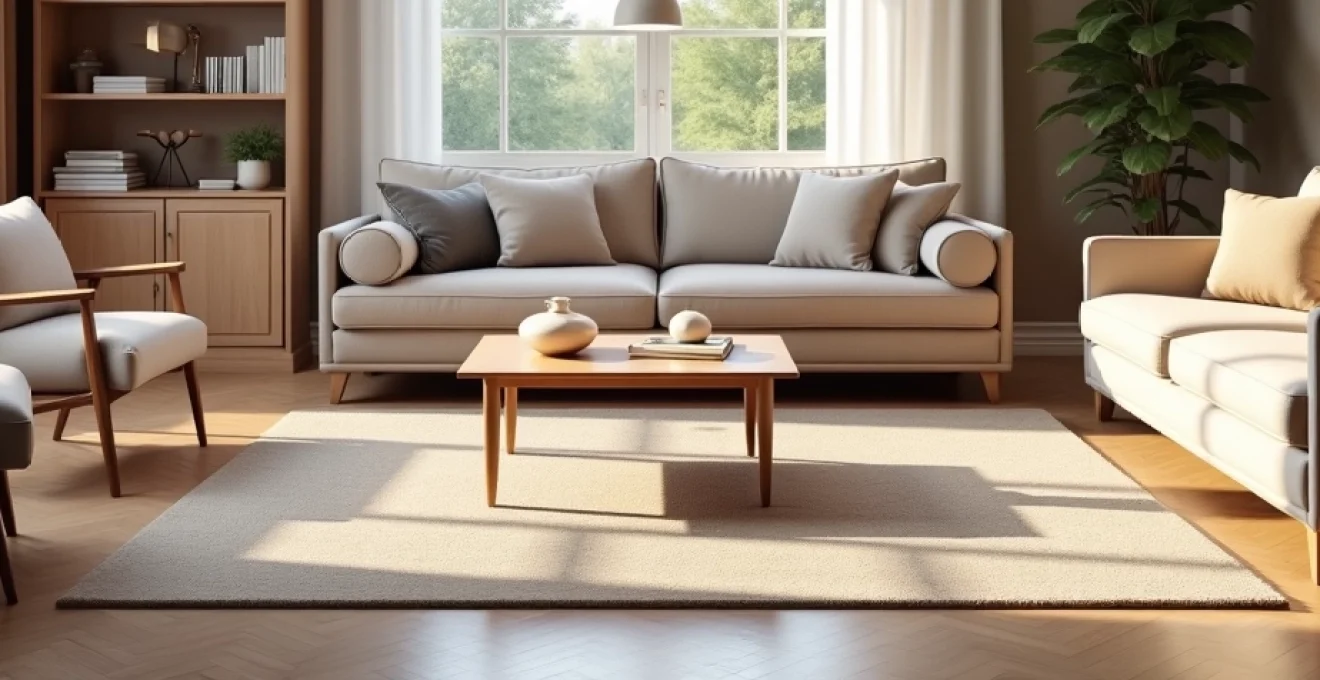
Creating a functional interior requires careful consideration of essential furniture pieces that serve both practical and aesthetic purposes. The modern home demands smart solutions that maximize space efficiency while maintaining comfort and style. Whether you’re furnishing a compact city apartment or designing spacious family rooms, understanding which furniture pieces are truly essential forms the foundation of successful interior design.
Functional interiors prioritize versatility and practicality without sacrificing visual appeal. Every piece should earn its place by serving multiple purposes, contributing to the room’s flow, and enhancing daily living experiences. The key lies in selecting furniture that adapts to changing needs while providing long-term value and durability.
Comfortable seating options for every room
Seating represents the cornerstone of any functional interior, serving as the primary interface between occupants and their living spaces. Quality seating influences how people interact, relax, and utilize each room throughout their daily routines. The strategic placement and selection of seating options can transform even the most challenging spaces into inviting, functional environments.
Modern seating solutions must balance comfort, durability, and space efficiency. Research indicates that well-designed seating can improve posture, reduce fatigue, and enhance overall well-being. Consider how different seating types serve various functions – from formal dining to casual lounging, each requires specific ergonomic considerations and spatial arrangements.
Cozy armchairs ideal for reading nooks
Armchairs provide personal comfort zones that encourage relaxation and focused activities like reading or contemplation. The ideal reading chair combines proper back support with comfortable armrests positioned at the correct height for holding books or tablets. Look for chairs with firm cushioning that maintains its shape over time, ensuring consistent support during extended use.
Placement becomes crucial when creating functional reading nooks. Position armchairs near natural light sources or ensure adequate task lighting is available. Consider chairs with built-in storage compartments or side tables to keep books, glasses, and beverages within easy reach. The chair’s scale should complement the room size – oversized chairs can overwhelm small spaces, while petite chairs may appear lost in large rooms.
Supportive sofas perfect for family gatherings
The sofa serves as the social hub of living spaces, accommodating family gatherings, entertaining guests, and daily relaxation. A functional sofa must provide adequate seating capacity while maintaining comfort for extended periods. Deep seats with proper lumbar support prevent fatigue during movie nights or long conversations, while durable upholstery withstands daily use and occasional spills.
Sectional sofas offer exceptional versatility for larger families or frequent entertainers. These modular systems can be reconfigured to suit different occasions and room layouts. When selecting sofas, consider the traffic flow around the piece – maintain at least 36 inches of walkway space for comfortable navigation. The sofa’s proportions should relate harmoniously to the room’s dimensions and other furniture pieces.
Stylish ottomans doubling as extra seating
Ottomans represent the epitome of multifunctional furniture, serving as footrests, coffee tables, storage solutions, and additional seating when needed. Their compact size makes them ideal for small spaces where traditional seating might prove too bulky. Many ottomans feature hidden storage compartments, perfect for organizing throw blankets, magazines, or children’s toys.
The mobility of ottomans allows for flexible room arrangements. During parties or family gatherings, they can be easily relocated to provide extra seating where needed. Choose ottomans with sturdy construction and appropriate height – they should align comfortably with your primary seating for optimal foot support. Upholstered ottomans add softness and color to room schemes while maintaining practical functionality.
Multifunctional tables adapted to various needs
Tables form the structural backbone of functional interiors, providing essential work surfaces, dining areas, and display platforms for decorative objects. The most effective table selections prioritize adaptability, allowing spaces to transform based on changing requirements throughout the day. Modern lifestyles demand furniture that seamlessly transitions between work, dining, and entertainment functions.
Consider how different table types serve distinct purposes while potentially overlapping in functionality. A well-chosen dining table might double as a workspace during the day, while coffee tables with lift-top mechanisms can provide laptop-friendly surfaces for casual computing. The key lies in selecting pieces that offer maximum utility without compromising aesthetic appeal or spatial flow.
Adjustable and expandable tables have gained popularity as remote work and flexible living arrangements become more common. These innovative designs accommodate both intimate family dinners and larger gatherings without requiring permanent space allocation for occasional use. Extension mechanisms range from simple leaf systems to sophisticated hydraulic adjustments that transform table dimensions effortlessly.
Surface materials significantly impact table functionality and maintenance requirements. Solid wood surfaces provide durability and timeless appeal but require regular care to prevent water damage and scratches. Glass tops offer easy cleaning and visual lightness, making spaces appear larger, while engineered materials provide consistent performance with minimal maintenance needs. Consider your lifestyle and usage patterns when selecting table surfaces.
The strategic placement of tables affects traffic flow and room functionality. Coffee tables should maintain appropriate distances from seating – typically 14 to 18 inches for comfortable leg room and easy reach. Side tables positioned next to chairs and sofas provide convenient surfaces for beverages, reading materials, and lighting fixtures without cluttering main surfaces.
The most successful interiors feature tables that adapt to multiple functions throughout the day, maximizing space efficiency while maintaining aesthetic coherence.
Height considerations become crucial when selecting multifunctional tables. Standard dining height measures 28-30 inches, while coffee tables typically range from 16-18 inches. Counter-height tables at 34-36 inches work well for casual dining and standing work sessions, bridging the gap between traditional dining and bar-height surfaces.
Practical storage solutions to maximize space
Effective storage solutions distinguish truly functional interiors from merely attractive spaces. Modern homes require sophisticated organization systems that accommodate diverse belongings while maintaining visual harmony. The challenge lies in integrating adequate storage capacity without overwhelming room proportions or sacrificing aesthetic appeal.
Contemporary storage approaches emphasize concealment and integration, hiding necessary items within stylish furniture pieces. This strategy prevents visual clutter while ensuring easy access to frequently used belongings. Smart storage solutions can actually enhance room functionality by creating designated homes for specific items, streamlining daily routines and reducing maintenance efforts.
Bookcases showcasing decorative objects while organizing
Modern bookcases transcend their traditional role as book repositories, evolving into sophisticated display and storage systems. These versatile pieces accommodate books alongside decorative objects, creating visually interesting arrangements that reflect personal style and interests. The key to successful bookcase styling lies in balancing storage functionality with aesthetic presentation.
Consider the proportional relationship between books and decorative objects when arranging bookcase contents. The “rule of thirds” suggests dedicating approximately one-third of shelf space to decorative items, allowing books to breathe while preventing sterile, library-like appearances. Varying object heights and grouping items in odd numbers creates more dynamic visual interest than uniform arrangements.
Built-in bookcases offer exceptional space efficiency and can be customized to accommodate specific room dimensions and storage needs. These permanent installations maximize vertical space utilization while creating seamless integration with architectural elements. Freestanding units provide flexibility for renters or those who prefer adaptable furniture arrangements.
Sideboards discreetly hiding away everyday items
Sideboards provide essential concealed storage while offering display surfaces for decorative objects and serving pieces. These substantial furniture pieces excel at organizing dining room essentials, from fine china and glassware to table linens and serving accessories. Their enclosed storage prevents dust accumulation while maintaining organized access to items used for special occasions.
The horizontal emphasis of sideboards makes them ideal for balancing tall furniture pieces and creating visual weight distribution within rooms. Their surfaces accommodate table lamps, artwork, and seasonal decorations without interfering with daily storage functions. Many contemporary designs incorporate cable management systems, making them suitable for media storage and display equipment.
Strategic sideboard placement can define dining areas within open-plan layouts while providing practical storage for multiple zones. Position sideboards against walls to maximize floor space while ensuring adequate clearance for drawer and door operation. Consider models with adjustable shelving to accommodate items of varying heights and seasonal storage needs.
Wardrobes keeping clothes tidy yet accessible
Effective wardrobe systems balance storage capacity with accessibility, ensuring clothing remains organized and easily retrievable. Modern wardrobe designs incorporate specialized storage components including adjustable shelving, hanging rods at multiple heights, and dedicated accessories storage. These systems accommodate different clothing types while maximizing available space.
Built-in wardrobes offer superior space utilization, extending from floor to ceiling to capture maximum storage potential. Custom configurations can address specific storage needs, from extensive shoe collections to bulky seasonal items. However, freestanding wardrobes provide flexibility for changing room layouts and rental situations where permanent installations aren’t feasible.
Interior organization systems significantly impact wardrobe functionality. Drawer dividers, shelf organizers, and specialized hangers maintain order while protecting clothing integrity. Consider seasonal rotation strategies, positioning frequently worn items at accessible heights while storing seasonal clothing in higher or lower compartments.
Lighting elements creating ambiance throughout home
Lighting serves as both functional necessity and atmospheric enhancer, dramatically influencing how spaces feel and function throughout different times of day. Effective lighting design incorporates multiple sources and levels, creating layered illumination that adapts to various activities and moods. The strategic placement of lighting fixtures can visually expand spaces, highlight architectural features, and create inviting environments that encourage relaxation and productivity.
Contemporary lighting approaches emphasize energy efficiency and smart technology integration. LED fixtures provide long-lasting, adjustable illumination while consuming minimal energy. Smart lighting systems allow users to customize color temperature and brightness levels throughout the day, supporting natural circadian rhythms and enhancing comfort. Consider how different lighting types serve specific functions – task lighting for detailed work, ambient lighting for general illumination, and accent lighting for highlighting decorative elements.
The psychological impact of lighting cannot be understated. Warm light temperatures (2700K-3000K) create cozy, relaxing atmospheres ideal for evening relaxation, while cooler temperatures (3500K-4100K) promote alertness and focus during work activities. Dimmer controls provide flexibility, allowing single fixtures to serve multiple purposes throughout the day. Natural light integration remains paramount – position key furniture pieces to capitalize on daylight while supplementing with artificial sources as needed.
Table lamps and floor lamps provide essential task lighting while contributing to room decoration. These portable fixtures offer flexibility in lighting placement and can be easily relocated as furniture arrangements change. Look for adjustable designs that direct light precisely where needed, reducing eye strain during reading or detailed tasks. Swing-arm wall sconces provide excellent bedside lighting without occupying nightstand space, particularly valuable in smaller bedrooms.
Layered lighting design creates depth and functionality, transforming spaces from merely illuminated to thoughtfully atmospheric environments.
Overhead lighting solutions include pendant fixtures, chandeliers, and recessed lighting systems. Pendant lights work exceptionally well over dining tables and kitchen islands, providing focused illumination while adding decorative impact. Chandeliers create dramatic focal points in dining rooms and entryways, though their scale must complement room proportions. Recessed lighting offers clean, unobtrusive illumination ideal for modern interiors, though proper spacing prevents harsh shadows and uneven light distribution.
Consider lighting control systems that integrate multiple fixtures for seamless operation. Scene lighting allows users to activate predetermined combinations of fixtures, instantly creating appropriate ambiance for different activities. Motion sensors provide convenience and energy savings in transitional spaces like hallways and closets, while timer controls ensure lights aren’t inadvertently left on.
Rugs anchoring each zone with style
Rugs function as foundational elements that define spaces, absorb sound, and introduce color and texture to interior schemes. In open-plan layouts, strategically placed rugs delineate different functional zones without requiring physical barriers. The right rug selection can visually expand small spaces or create intimate seating areas within larger rooms, demonstrating their remarkable spatial impact.
Size considerations prove crucial for rug functionality and aesthetic success. Living room rugs should accommodate all front furniture legs, creating cohesive groupings that feel intentionally arranged rather than randomly placed. Dining room rugs must extend beyond chair boundaries when pulled out, preventing chairs from catching on rug edges during use. Bedroom rugs can either anchor the entire bed or serve as bedside landing strips, depending on room size and layout preferences.
Material selection impacts both durability and maintenance requirements. Natural fiber rugs like wool provide excellent durability and soil resistance, making them ideal for high-traffic areas. Synthetic materials offer stain resistance and easy cleaning, particularly valuable in homes with children or pets. Consider pile height in relation to furniture placement – low-pile rugs work better under dining tables and desk chairs, while higher piles add luxury and comfort in seating areas.
Color and pattern choices should complement rather than compete with existing furnishings and architectural elements. Neutral rugs provide versatile foundations that accommodate changing color schemes over time, while bold patterns can serve as room focal points that inspire coordinating accessories. Large-scale patterns typically work better in spacious rooms, while smaller patterns suit more intimate spaces without overwhelming proportions.
Rug layering has emerged as a popular design technique, combining different sizes, textures, and patterns to create visual interest and flexibility. This approach allows for seasonal updates and personal expression while maintaining functional floor coverage. Layer smaller accent rugs over larger neutral bases, or combine different textures like jute and wool for added depth and tactile appeal.
Thoughtfully selected rugs transform hard flooring into comfortable, defined living spaces while contributing significantly to acoustic comfort and aesthetic cohesion.
Maintenance considerations should influence rug selection, particularly in busy households. Regular vacuuming extends rug life, while professional cleaning maintains appearance and hygiene. Some materials like polypropylene offer outdoor durability and can withstand heavy use and moisture exposure, making them suitable for high-traffic indoor areas or covered outdoor spaces.
The acoustic benefits of rugs often go unrecognized but significantly impact living comfort. Hard flooring surfaces reflect sound, creating echoes and noise transmission between levels. Rugs absorb sound waves, reducing noise levels and creating more peaceful environments. This acoustic dampening proves particularly valuable in multi-story homes or shared living situations where noise control enhances everyone’s comfort and privacy.