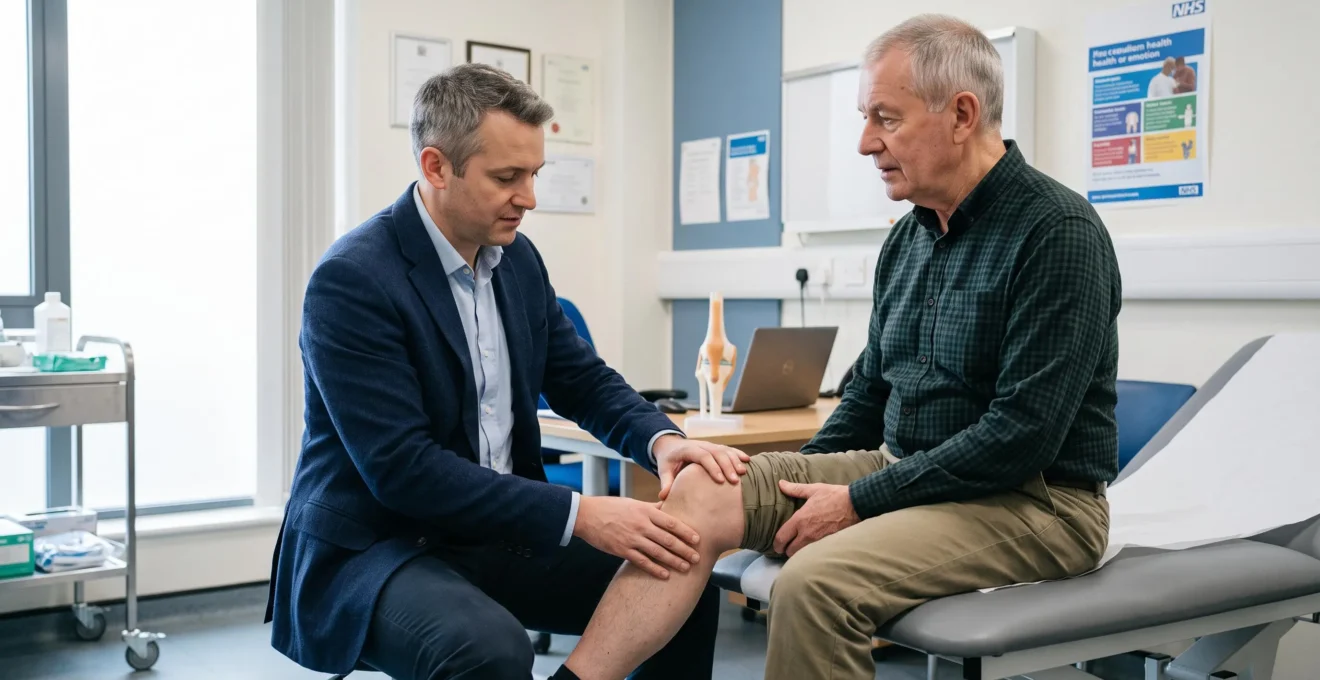
Knee osteoarthritis affects over 4.5 million people across England alone, making it one of the most prevalent causes of mobility limitation in the UK, as the GBD 2021 data on UK knee OA burden confirm. The condition develops when protective cartilage gradually wears away, leaving bone surfaces rubbing against each other during movement. While the damage cannot be reversed, a structured treatment pathway can significantly reduce pain, restore function, and delay or avoid surgical intervention for many patients.
The challenge facing most people with knee arthritis is not a lack of treatment options, but understanding which interventions suit their specific situation and when to progress from one level to the next. Current clinical consensus indicates that successful management requires matching treatment intensity to disease severity, starting with conservative approaches before considering surgical solutions.
Information
This content is provided for informational purposes only and is not a substitute for professional medical advice. Always consult your doctor for any diagnosis or treatment.
Your treatment pathway in 4 essential points
- Conservative treatments (physiotherapy, weight management, NSAIDs) form first-line approach, requiring several weeks to months to assess effectiveness
- Pharmacological interventions (hyaluronic acid, corticosteroid injections) provide bridging relief when lifestyle measures plateau
- Surgical candidacy emerges when conservative options fail after sustained effort and daily function becomes severely compromised
- NHS pathways involve GP referral, consultant assessment, and waiting periods for elective knee procedures
At a glance: what this guide covers
- Understanding the spectrum: from conservative care to surgical intervention
- Non-surgical pathways: physiotherapy, injections, and lifestyle adjustments
- When conservative treatments plateau: recognising the right moment
- Surgical solutions: osteotomy and knee replacement explained
- Frequently asked questions about knee osteoarthritis treatments
Understanding the spectrum: from conservative care to surgical intervention
Treatment for knee osteoarthritis follows a tiered approach, with interventions escalating in invasiveness only when simpler measures prove insufficient. This conservative-first strategy, as the NICE NG226 guideline formally establishes, prioritises reversible therapies that preserve the natural joint structure before considering irreversible surgical options.
What are the main treatment categories for knee osteoarthritis?
Treatment divides into three progressive tiers: conservative management (physiotherapy, weight reduction, activity modification), pharmacological interventions (oral medications, intra-articular injections), and surgical procedures (osteotomy or arthroplasty). Most patients begin with tier one, progressing only if symptoms remain inadequately controlled after sustained conservative effort.
The decision to move between treatment levels depends on multiple factors including symptom severity, functional limitation, radiographic findings, patient age, activity goals, and response to previous interventions. A 45-year-old runner with isolated medial compartment arthritis faces different treatment priorities than a 70-year-old with diffuse joint degeneration affecting all knee compartments.
Clinical evidence suggests that approximately 60% of patients with moderate knee arthritis find initial conservative treatments insufficient within the first several months. This does not automatically necessitate surgery; rather, it signals the need for treatment intensification, potentially adding pharmacological interventions or reassessing activity modification strategies before considering procedural options.
Non-surgical pathways: physiotherapy, injections, and lifestyle adjustments
Conservative management forms the foundation of knee osteoarthritis care, aiming to reduce mechanical stress on damaged cartilage while strengthening surrounding structures that stabilise the joint. Evidence-based guidelines recommend exhausting these options before surgical consultation, though realistic expectations about symptom control matter as much as treatment compliance.
Physiotherapy and targeted strengthening programmes
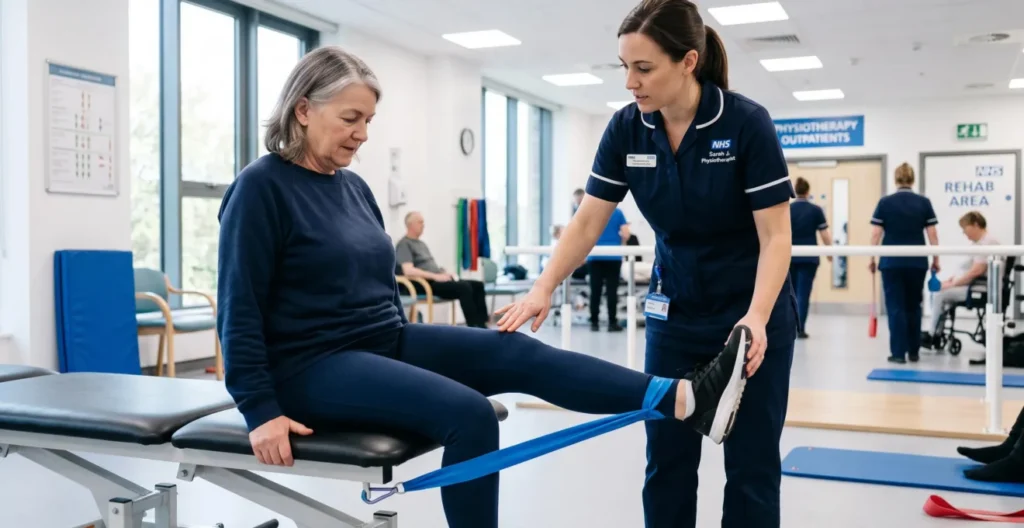
Structured physiotherapy addresses muscular weakness and movement patterns that accelerate cartilage wear. Quadriceps strengthening proves particularly effective, as these anterior thigh muscles control knee alignment during weight-bearing activities. Specialist experience shows that patients who complete prescribed home exercise programmes typically notice functional improvements within several weeks to months of consistent effort, though pain reduction often lags behind strength gains.
NHS physiotherapy access varies by region, with some areas offering direct self-referral while others require GP referral. Sessions typically occur weekly initially, tapering to maintenance programmes as patients master techniques. The most frequently observed limitation in practice is non-adherence; exercises performed sporadically deliver minimal benefit compared to daily routines sustained over months.
Medication and intra-articular injections
Pharmacological management begins with topical NSAIDs applied directly to the knee, progressing to oral formulations only when topical preparations prove ineffective. Paracetamol provides baseline analgesia for mild pain, though its anti-inflammatory effect remains minimal. Oral NSAIDs (ibuprofen, naproxen) reduce both pain and inflammation but carry gastrointestinal and cardiovascular risks, particularly for patients over 65 or with existing conditions.
Corticosteroid injections deliver powerful anti-inflammatory medication directly into the joint space, providing rapid relief within days. Clinical trials indicate symptom improvement lasting several weeks to months, though repeated injections within the same year raise concerns about potential cartilage degradation. Most specialists limit frequency to no more than three to four annually per joint.
Hyaluronic acid injections (viscosupplementation) aim to restore joint lubrication by supplementing depleted natural fluids. Evidence regarding efficacy remains mixed, with some patients reporting sustained relief extending around six months while others notice minimal benefit. NICE guidance notes insufficient evidence for routine NHS funding, meaning many patients access this treatment privately or through consultant discretion.
Weight management and activity modification
Biomechanical studies demonstrate that each kilogram of weight loss reduces knee joint pressure by approximately four kilograms during walking. For overweight patients (BMI above 25), even modest weight reduction of five to ten percent can significantly decrease mechanical stress on damaged cartilage. NHS lifestyle support programmes offer structured dietary guidance and exercise plans, though sustained weight management requires long-term behavioural change beyond initial intervention.
Activity modification does not mean abandoning exercise; rather, it involves transitioning from high-impact activities (running, jumping) to low-impact alternatives (cycling, swimming, elliptical training) that maintain cardiovascular fitness without excessive joint loading. Walking aids, knee braces, and appropriate footwear provide additional mechanical support during daily activities. For comprehensive information on knee arthrisis diagnosis, symptom patterns, and initial conservative management strategies, specialist assessment establishes which combination of interventions suits individual circumstances.
| Treatment approach | Typical timeline to effect | Duration of relief | NHS access route | Best suited for |
|---|---|---|---|---|
| Physiotherapy | Several weeks to months | Ongoing (requires maintenance) | GP referral or self-referral | Mild-moderate arthritis, active patients |
| NSAIDs | Days to 1 week | While taking medication | Over-counter or GP prescription | Episodic pain flares, short-term use |
| Corticosteroid injections | 3-7 days | Several weeks to months | GP or consultant | Acute inflammation episodes |
| Hyaluronic acid injections | 2-4 weeks | Around 6 months | Consultant (limited NHS funding) | Moderate arthritis, before considering surgery |
| Weight management | 8-16 weeks | Sustained (if maintained) | GP lifestyle services | Overweight patients (BMI above 25) |
NSAIDs and injection frequency: important safety limits
Long-term NSAID use carries gastrointestinal and cardiovascular risks, particularly for patients over 65 or with existing conditions. Your GP will assess suitability and may prescribe gastro-protective medications. Corticosteroid injections should not exceed three to four per year in the same joint due to potential cartilage degradation. Always disclose full medication history and health conditions before starting any pharmacological treatment.
When conservative treatments plateau: recognising the right moment
Determining when conservative management has reached its limits requires honest assessment of functional capacity and quality of life impact. The most frequently observed limitation in practice is premature surgical consultation when non-surgical options remain incompletely explored, though equally problematic is prolonged suffering when clear indicators suggest advanced intervention would restore independence more effectively than continued conservative efforts.
Orthopaedic practice demonstrates that successful surgical candidates typically present with multiple converging factors rather than isolated symptoms. Nocturnal pain disrupting sleep despite medication, severe mobility restriction preventing basic activities (climbing stairs, rising from chairs, walking short distances), and radiographic evidence of substantial joint space narrowing collectively suggest that cartilage preservation strategies offer diminishing returns.
The six-month threshold for conservative treatment duration appears frequently in clinical decision frameworks, though this represents a guideline rather than absolute rule. Younger patients with mild-moderate arthritis warrant extended conservative trials given their longer projected lifespan with a prosthetic joint, while older individuals with severe symptoms and advanced imaging findings may appropriately consider surgery sooner to maximize years of improved function.
Clinical indicators suggesting surgical consultation
- Persistent pain interfering with sleep despite medication
- Severe mobility restriction (unable to walk 10 minutes or climb stairs without significant pain)
- Conservative treatments (physiotherapy combined with medication) ineffective after sustained effort over several months
- Radiographic evidence of significant joint space narrowing or bone-on-bone contact
- Daily activities severely compromised (difficulty rising from chair, bathing, dressing)
Surgical solutions: osteotomy and knee replacement explained
When joint preservation strategies no longer deliver acceptable symptom control, surgical intervention addresses structural damage that conservative measures cannot reverse. The two principal procedures differ fundamentally in mechanism: osteotomy preserves the natural joint by redistributing mechanical load, while arthroplasty replaces damaged surfaces with prosthetic components.
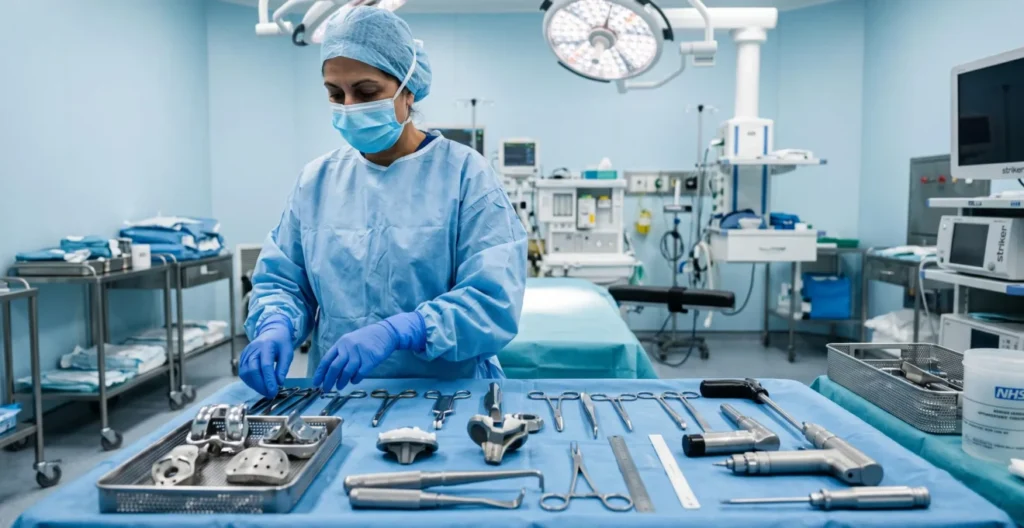
Surgical candidacy assessment involves comprehensive evaluation including clinical examination, radiographic imaging (X-rays to assess joint space and alignment, MRI to visualize soft tissue damage), functional testing, and discussion of realistic outcome expectations. Age, activity level, arthritis pattern (isolated single-compartment versus diffuse multi-compartment), and comorbidities all influence which procedure, if any, suits individual circumstances.
Osteotomy: realigning the knee to redistribute pressure
High tibial osteotomy surgically cuts and repositions the shin bone (tibia) to shift weight-bearing load away from damaged cartilage onto healthier joint surfaces. This bone realignment procedure suits carefully selected patients—typically under 60 years old, physically active, with isolated medial or lateral compartment arthritis and correctable limb alignment. By transferring mechanical stress to preserved cartilage, osteotomy delays the need for joint replacement, potentially by a decade or more.
Recovery involves initial non-weight-bearing status with crutches, progressing to full activity over several months as bone healing consolidates. Long-term outcome data demonstrates good to excellent results in appropriately selected candidates, though the procedure does not restore normal cartilage; it simply creates more favourable mechanical conditions to slow further degeneration. Osteotomy preserves the natural joint, maintaining the option for future arthroplasty if arthritis eventually progresses to involve additional compartments.
Partial and total knee replacement: restoring joint function
Arthroplasty removes damaged bone and cartilage, replacing joint surfaces with prosthetic components made from metal alloys and high-grade polyethylene plastic. Partial (unicompartmental) replacement addresses isolated single-compartment arthritis, preserving healthy portions of the joint through smaller incisions with faster recovery. Total knee replacement resurfaces all three compartments (medial, lateral, patellofemoral), indicated when arthritis affects multiple areas or when alignment issues make partial replacement unsuitable.
Contemporary prosthesis designs demonstrate impressive durability. A 95.4% survival rate at 15 years, as measured by the National Joint Registry analysis enrolling over 1.3 million patients, confirms that modern total knee replacements reliably function for extended periods. Younger patients (under 65) face higher lifetime revision risks simply due to longer prosthesis exposure duration, making age a key factor in surgical timing discussions.
NHS England elective care pathways involve GP referral to orthopaedic consultant, clinical assessment with imaging, surgical decision, and scheduling. Recent data indicates waiting periods of approximately 18 to 24 weeks from consultant decision to surgery date, though regional variation exists. Patients can use this interval productively for prehabilitation—optimizing weight, strengthening muscles, and improving cardiovascular fitness—to enhance post-operative outcomes.
Post-operative rehabilitation and digital follow-up
Modern accelerated rehabilitation protocols emphasize immediate mobilization, with physiotherapy beginning the day after surgery. Weight-bearing progresses rapidly under physiotherapist supervision, transitioning from walking frame to crutches to independent mobility within weeks. Full functional recovery extends over several months, with most patients reporting substantial improvements by three to six months post-operatively, though subtle gains continue beyond the first year.
Digital health platforms now enable remote post-operative monitoring, reducing unnecessary hospital visits while maintaining clinical oversight. Online questionnaire systems track pain levels, mobility milestones, and complication warning signs, allowing surgical teams to identify patients requiring intervention without routine blanket follow-up appointments. This patient-surgeon communication tool optimizes resource allocation while ensuring those with genuine concerns receive timely attention.
Surgical pathway: Margaret’s journey from assessment to recovery
Margaret, a 62-year-old retired teacher from Manchester, experienced progressive right knee pain limiting her cherished daily walks with her dog. After eight months of physiotherapy and hyaluronic injections providing only temporary relief, her GP referred her to an NHS orthopaedic consultant. Assessment revealed severe medial compartment arthritis unsuitable for osteotomy due to her age and diffuse cartilage damage. Following a 22-week waiting period, Margaret underwent total knee replacement. Post-operative digital monitoring via a remote platform enabled her surgical team to track recovery milestones without requiring frequent hospital visits. Four months post-surgery, Margaret had resumed modified walking routines and reported significant pain reduction, with ongoing physiotherapy supporting her return to independence.
Frequently asked questions about knee osteoarthritis treatments
How long do hyaluronic acid injections actually provide relief?
Clinical studies indicate viscosupplementation typically delivers symptom improvement for approximately six months, though individual responses vary. Some patients experience shorter durations while others report benefit extending beyond this timeframe. Effectiveness depends on arthritis severity, injection technique, and product formulation. NICE guidance suggests limited NHS funding due to variable evidence, often requiring private payment or consultant discretion.
At what point should I seriously consider knee replacement surgery?
Surgical consultation becomes appropriate when conservative treatments (physiotherapy, weight management, medications, injections) fail to provide adequate pain control after sustained consistent effort over several months, and daily function becomes severely compromised. Indicators include sleep disruption from pain, inability to walk short distances or climb stairs, and persistent pain at rest. Your GP and orthopaedic consultant assess clinical examination, imaging findings, and functional impact to determine surgical candidacy, not pain alone.
How long are NHS waiting times for knee replacement currently?
NHS England elective care data shows average waiting times of approximately 18 to 24 weeks from consultant decision to surgery date, though this varies significantly by region and NHS Trust. Right to Choose pathways may offer faster access to alternative providers. Waiting times include pre-operative assessment, surgical scheduling, and capacity availability. Use this period for prehabilitation (strengthening exercises, weight optimization) to improve surgical outcomes.
Can I return to sports or active hobbies after knee replacement?
Modern knee arthroplasty increasingly permits return to low-impact activities (walking, cycling, swimming, golf) within several months post-operatively, guided by physiotherapy progression. High-impact sports (running, tennis, contact sports) remain discouraged by most orthopaedic surgeons due to prosthesis wear and loosening risks. Individual activity goals should be discussed candidly during surgical consultation, as realistic expectations influence satisfaction. Many patients report functional improvements enabling recreational activities previously impossible due to arthritis pain.
Are there newer alternatives to traditional knee replacement that I should know about?
Partial (unicompartmental) knee replacement suits carefully selected patients with isolated single-compartment arthritis, offering smaller incisions and faster recovery than total replacement. High tibial osteotomy realigns the knee for younger active patients with specific arthritis patterns. Emerging technologies like robotic-assisted surgery and personalized prostheses aim to improve precision and outcomes, though long-term evidence is still accumulating. NICE-approved treatments remain the gold standard; discuss experimental options with your consultant if conventional approaches seem unsuitable.
This article provides general information and cannot replace a personalised assessment by an orthopaedic specialist. Treatment suitability depends on individual factors (age, severity, comorbidities, activity level) that only a clinical examination can determine. Surgical options and techniques evolve regularly; always verify current practices with a qualified consultant. The information reflects UK healthcare pathways and may differ in other countries. For any decision concerning your health, consult a GP (General Practitioner) or orthopaedic consultant specializing in knee surgery.