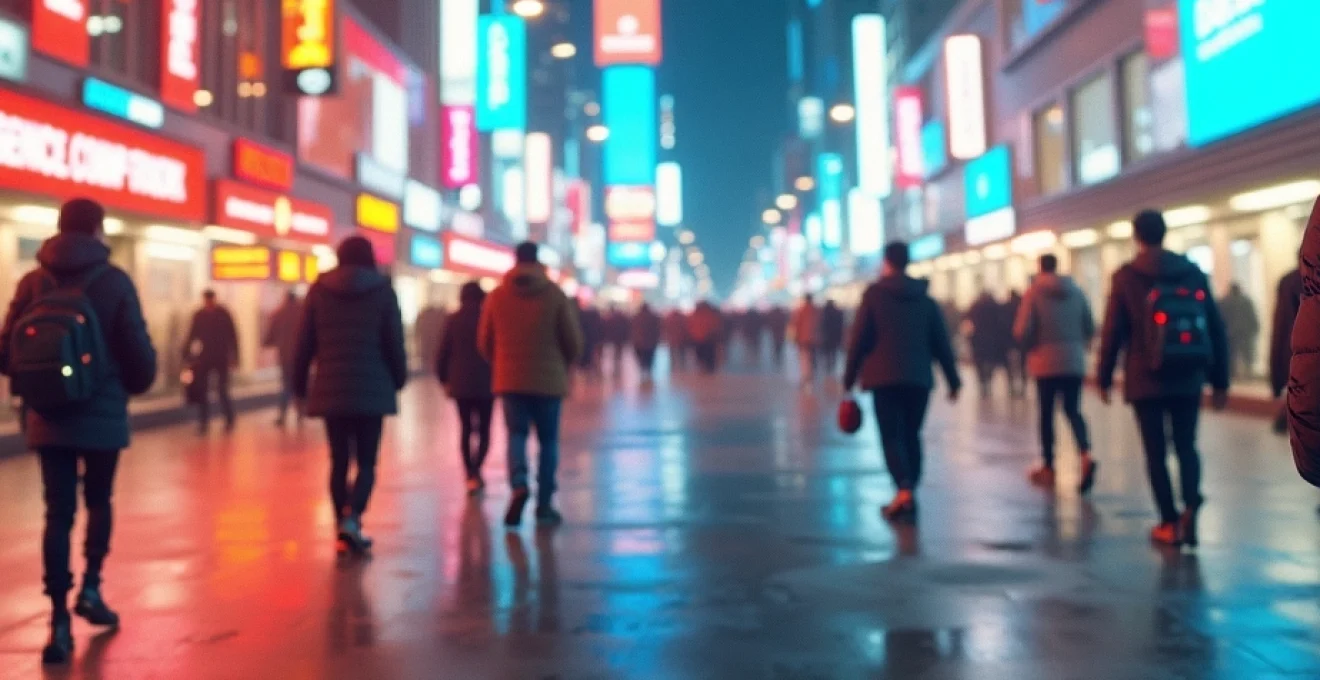
The speed at which social trends emerge, peak, and disappear has reached unprecedented levels in today’s digital landscape. What once took months or years to evolve now happens in a matter of days or even hours. From viral dance challenges that dominate TikTok for a week to fashion aesthetics that cycle through popularity faster than brands can keep up, the acceleration of social trends has fundamentally transformed how we consume culture and express identity.
This phenomenon isn’t just about fleeting entertainment or superficial fads. The rapid pace of trend evolution reflects deeper changes in how society communicates, consumes, and connects. Understanding why social trends move at lightning speed reveals crucial insights about modern digital culture, consumer behavior, and the forces shaping our collective consciousness in an interconnected world.
Social media accelerates fleeting trends
Social media platforms have become the primary engine driving the acceleration of trends, fundamentally altering how cultural phenomena spread and evolve. Unlike traditional media channels that operated on predictable schedules and gatekeeping mechanisms, social platforms create an environment where content can explode into global consciousness within hours. The algorithmic nature of these platforms amplifies popular content exponentially, creating a feedback loop that transforms niche interests into mainstream phenomena at unprecedented speed.
Viral content on social media
The mechanics of virality on social platforms create perfect conditions for rapid trend formation and dissemination. Algorithms prioritize content that generates high engagement rates, pushing popular posts to wider audiences and creating snowball effects. When a piece of content resonates with users, the platform’s recommendation system ensures it reaches similar audiences, often resulting in millions of views within 24 hours. This process democratizes trend creation, allowing anyone with compelling content to potentially influence global conversations.
The structure of viral content itself has evolved to match shorter attention spans and faster consumption habits. Micro-moments of entertainment – whether through 15-second videos, catchy audio clips, or shareable memes – are designed for instant gratification and immediate sharing. These bite-sized cultural artifacts spread rapidly because they require minimal investment of time or cognitive effort from consumers, making them perfect vehicles for mass distribution across social networks.
Limited lifespan of online fads
The same mechanisms that accelerate trend adoption also contribute to their rapid decline. Social media platforms constantly surface new content, creating an environment where yesterday’s viral sensation quickly becomes buried under fresh material. The average lifespan of a social media trend has decreased dramatically, with many phenomena lasting only 72 hours in peak popularity before algorithmic attention shifts elsewhere.
This shortened lifecycle creates a culture of disposable entertainment, where trends are consumed voraciously and discarded just as quickly. Users become accustomed to constant novelty, developing shorter attention spans for any single cultural moment. The pressure to stay current drives both creators and consumers to continuously seek the next big thing, perpetuating a cycle of rapid trend turnover that shows no signs of slowing.
Social pressure amplified by digital networks
Digital platforms intensify social pressure by making trend participation visible and measurable. Features like view counts, likes, and shares create quantifiable metrics for cultural relevance, pressuring users to engage with trending content to maintain social standing. The fear of missing out (FOMO) becomes amplified when algorithms constantly present users with what their peers are consuming and sharing.
The global reach of social networks means that social pressure no longer operates within limited geographic or social circles. Instead, users feel compelled to stay current with trends that may originate anywhere in the world, expanding the scope of cultural phenomena they feel obligated to understand and participate in. This creates an exhausting cycle where keeping up with trends becomes a full-time endeavor, yet falling behind feels like social isolation in digitally connected communities.
Generation Z as the driving force behind ultra-fast trends
Generation Z has emerged as the primary catalyst for accelerated trend cycles, bringing unique characteristics and expectations that fundamentally reshape how cultural phenomena develop and spread. Born into a world of instant connectivity and unlimited content access, this generation approaches trends with different values, consumption patterns, and social behaviors than previous cohorts. Their relationship with digital platforms and cultural expression drives much of the speed and intensity we observe in contemporary trend cycles.
Younger generations hungry for constant novelty
Generation Z’s appetite for novelty stems from growing up in an environment of infinite content availability and constant stimulation. Unlike previous generations who experienced scarcity of entertainment options, Gen Z has never known a world without on-demand access to unlimited media, information, and cultural content. This abundance creates expectations for continuous novelty and makes them quickly bored with static or repetitive content.
Research indicates that Gen Z has an average attention span of just eight seconds for digital content, significantly shorter than previous generations. This compressed attention span drives demand for constantly evolving content and experiences. What previous generations might have engaged with for weeks or months, Gen Z consumers expect to refresh every few days. This psychological shift toward hyper-stimulation requirements creates market pressure for rapid trend turnover across all cultural sectors.
The generation’s digital nativity also means they intuitively understand and navigate multiple platform ecosystems simultaneously. They seamlessly move between TikTok, Instagram, Twitter, and emerging platforms, picking up micro-trends from each environment and cross-pollinating them across networks. This platform-hopping behavior accelerates trend velocity as content rapidly spreads across different digital ecosystems with varying algorithms and user bases.
Influencers fueling accelerated fashion cycles
Social media influencers have become powerful accelerants in trend propagation, particularly in fashion and lifestyle sectors. Unlike traditional fashion magazines that operated on seasonal cycles, influencers create content daily, constantly introducing new styles, products, and aesthetics to their audiences. A single post from a major influencer can transform an obscure item into a must-have product within hours, bypassing traditional marketing and distribution channels.
The influencer economy rewards novelty and first-mover advantage, encouraging content creators to constantly seek fresh trends to maintain audience engagement. This creates a competitive environment where influencers race to identify and promote emerging trends before their peers, accelerating the pace at which new phenomena reach mainstream awareness. Trendsetting becomes a professional requirement rather than organic cultural development.
Micro-influencers and niche content creators further accelerate trend cycles by introducing specialized audiences to targeted trends that can rapidly cross over into broader popularity. The democratization of influence through social platforms means trends can originate from previously unknown creators and achieve massive scale without traditional media gatekeepers, dramatically reducing the time between trend inception and mass adoption.
Instantaneity demanded by consumers who are always connected
The expectation of instant gratification has become deeply embedded in digital consumer behavior, creating demand for immediate access to trending content, products, and experiences. Gen Z consumers expect real-time responsiveness from brands, platforms, and cultural institutions, driving the acceleration of trend cycles to meet these temporal expectations. The concept of waiting for something to become available or popular feels antiquated to a generation accustomed to instant streaming, same-day delivery, and immediate social feedback.
This demand for instantaneity extends beyond content consumption to trend participation itself. Young consumers want to engage with trends while they’re still current, creating pressure for rapid identification, production, and distribution of trend-related content and products. Brands that fail to respond quickly to emerging trends risk being perceived as out of touch or irrelevant, forcing faster adaptation cycles across industries.
The always-connected lifestyle means trend exposure happens continuously rather than at scheduled intervals. Unlike previous generations who might discover trends through weekly magazines or evening television programs, today’s consumers encounter potential trends dozens of times throughout each day via social feeds, push notifications, and peer interactions. This constant exposure requires trends to be more distinctive and immediate in their appeal to break through the noise of continuous cultural input.
Digitalization profoundly transforming social dynamics
The digital transformation of social interaction has fundamentally altered how trends form, spread, and evolve within communities. Traditional social structures that once governed trend development – geographic proximity, institutional gatekeepers, and hierarchical influence patterns – have been disrupted by digital networks that operate according to different rules and dynamics. These changes create new pathways for trend propagation while eliminating many of the natural barriers that previously slowed cultural transmission.
Digital platforms collapse traditional social boundaries, enabling trends to jump between demographic groups, geographic regions, and cultural contexts with unprecedented ease. A trend that originates in one cultural niche can rapidly spread to completely different communities through algorithmic recommendations and social sharing mechanisms. This cross-pollination accelerates trend evolution as different groups adapt and modify trends according to their specific contexts and preferences, creating rapid variations and derivatives.
The shift from physical to digital social spaces has also changed the nature of social proof and peer influence. Online metrics like follower counts, engagement rates, and viral reach become proxies for social authority, allowing trends to gain credibility and momentum through quantifiable rather than qualitative measures. This gamification of social influence creates new mechanisms for trend validation that operate much faster than traditional social consensus-building processes.
Algorithm-driven content curation has replaced human editorial judgment in many contexts, creating feedback loops that amplify trending content based on engagement metrics rather than cultural significance or quality. This shift means trends can achieve massive scale without necessarily having lasting value or meaning, contributing to the rapid turnover of cultural phenomena. The algorithmic amplification of trending content creates artificial urgency around participation, as users see the same trends repeatedly in their feeds and feel compelled to engage before the moment passes.
The democratization of trend creation through digital platforms has eliminated traditional gatekeepers, allowing virtually anyone to potentially influence global cultural conversations and reshape social dynamics at unprecedented speed.
Digital communication tools have also transformed the speed and scale at which social groups can coordinate around trends. Messaging apps, social platforms, and online communities enable rapid organization and mobilization around emerging trends, allowing them to gain momentum much faster than previous generations of cultural phenomena. The ability to instantly share, comment on, and remix trending content creates collaborative trend development that accelerates evolution and adaptation.
Hyper-consumption exacerbating the frantic renewal of trends
The acceleration of trend cycles is inextricably linked to the rise of hyper-consumption culture, where the rapid acquisition and disposal of goods, experiences, and cultural artifacts has become normalized. This consumption pattern creates demand for constantly refreshed trend offerings while simultaneously reducing the lifespan of individual trends as they become quickly saturated and abandoned. The relationship between consumption speed and trend velocity creates a self-reinforcing cycle that continues to accelerate.
Planned obsolescence applied to social trends
The concept of planned obsolescence, traditionally associated with physical products, has been adapted to social and cultural trends in the digital age. Platform algorithms, content creators, and marketing systems are designed to generate continuous novelty, ensuring that trending content has built-in expiration dates. This systematic approach to trend obsolescence prevents any single cultural phenomenon from maintaining long-term dominance, creating space for continuous replacement with new trending content.
Social media platforms benefit from rapid trend turnover because it drives increased user engagement and platform activity. When trends change frequently, users must check platforms regularly to stay current, increasing time spent on apps and exposure to advertising content. The economic incentives of digital platforms align with rapid trend obsolescence, creating systematic pressure for accelerated cultural cycles that serve business models rather than organic cultural development.
Content creators and influencers also benefit from planned trend obsolescence because it creates continuous demand for fresh content and commentary. The rapid cycling of trends provides endless material for content creation while preventing audiences from becoming bored with any single topic or theme. This creates professional incentives for accelerating trend turnover, as creators who successfully identify and promote emerging trends gain competitive advantages in attention-based economies.
Brands riding fleeting fads to sell
Commercial brands have adapted their marketing strategies to capitalize on rapid trend cycles, developing capabilities for quick trend identification and response. The pressure to remain relevant in fast-moving cultural conversations drives brands to engage with trends while they’re still current, often within days or hours of trend emergence. This commercial opportunism contributes to trend acceleration as brand participation amplifies trending content and introduces it to broader audiences through marketing channels.
Fast fashion retailers have perfected the art of trend monetization, developing supply chains capable of producing and distributing trend-based products within weeks of cultural emergence. This rapid commercialization of trends creates feedback loops where commercial availability validates and extends trend popularity while simultaneously contributing to trend saturation and eventual decline. The commodification of cultural trends transforms organic social phenomena into commercial products with predictable lifecycles.
Social commerce integration on platforms like TikTok and Instagram has further accelerated the commercialization of trends by reducing friction between trend discovery and product purchase. Users can now buy trend-related products directly within the platforms where they encounter trending content, creating immediate monetization opportunities that incentivize rapid trend promotion and commercial exploitation. This seamless integration of cultural and commercial content blurs the line between authentic trend participation and marketing manipulation.
Trend phenomena becoming rapidly consumed products
The transformation of cultural trends into consumable products has fundamentally altered their nature and lifecycle. What were once organic expressions of creativity, identity, or social commentary become packaged experiences designed for mass consumption and rapid turnover. This productization of trends strips away much of their authentic cultural value while optimizing them for commercial viability and algorithmic distribution.
The packaging of trends as products creates standardized formats and presentations that make them easier to consume but less meaningful as cultural expressions. Trending dances become instruction videos, fashion trends become shopping lists, and cultural movements become hashtag campaigns. This systematic reduction of complex cultural phenomena into consumable formats enables rapid scaling but diminishes the depth and authenticity that give trends lasting significance.
Consumer expectations have adapted to treat trends as products with predictable availability and obsolescence cycles. Users approach trending content with the assumption that it will be replaced shortly, reducing emotional investment and encouraging superficial engagement. This consumer mindset creates demand for continuous trend refreshment while discouraging the deep engagement that might extend individual trend lifespans. The result is a cultural environment optimized for consumption rather than meaningful participation.
The commodification of social trends has created a culture where authentic cultural expressions are systematically transformed into consumable products designed for rapid turnover rather than lasting cultural significance.
Globalization spreading trends on a planetary scale
The globalization of digital communication networks has transformed trend propagation from localized cultural phenomena to instant worldwide distribution systems. Social media platforms operate across national and cultural boundaries, enabling trends to achieve global reach within hours of their emergence. This planetary scale of trend distribution fundamentally changes both the speed at which trends spread and the complexity of their cultural interactions as they encounter diverse global contexts simultaneously.
Global connectivity means trends no longer develop within isolated cultural contexts but must immediately compete for attention in a worldwide marketplace of ideas and content. This global competition accelerates trend evolution as phenomena must quickly establish distinctive appeal to stand out among countless competing cultural exports from different regions and communities. The pressure of global visibility drives more dramatic and attention-grabbing trend development as creators and communities attempt to achieve international recognition.
Time zone differences create continuous trend development as global audiences engage with trending content across 24-hour cycles. While one region sleeps, others continue developing, modifying, and propagating trends, creating perpetual cultural momentum that never pauses for rest or reflection. This continuous global engagement prevents trends from experiencing natural slowdown periods, maintaining artificial acceleration through constant international participation and development.
Cultural translation and adaptation processes happen simultaneously across multiple global contexts, creating rapid diversification and evolution of original trends. As trends spread internationally, they are immediately modified to fit local cultural contexts, creating numerous variations that can achieve independent momentum and influence. This parallel evolution in multiple cultural contexts accelerates overall trend complexity while reducing the lifespan of any single trend variant as attention becomes distributed across multiple versions.
The global scale of modern trend propagation has also increased the stakes and intensity of trend participation. When trends can potentially reach billions of people, the rewards for successful trend creation or early adoption become dramatically amplified. This heightened potential for global impact drives more aggressive trend creation and promotion strategies as individuals and organizations compete for worldwide cultural influence. The possibility of planetary-scale impact creates incentives for trend acceleration that didn’t exist in previous eras of localized cultural development.
International economic factors also contribute to trend acceleration as global brands and markets quickly mobilize around emerging cultural phenomena. The ability to instantly monetize trends across multiple international markets creates powerful economic incentives for rapid trend identification and exploitation. Global supply chains and distribution networks enable almost immediate commercial response to trending cultural content, transforming cultural expressions into international business opportunities within days of their emergence.
The democratization of global communication through social platforms means trends can originate anywhere and potentially influence anywhere else, creating unpredictable pathways for cultural transmission that bypass traditional centers of cultural authority. A trend that begins in a small community can potentially reshape global conversations within days, creating constant uncertainty about which cultural expressions might achieve worldwide significance. This unpredictability drives continuous monitoring and rapid response behaviors as individuals and organizations attempt to identify and capitalize on emerging global trends before they fully mature.