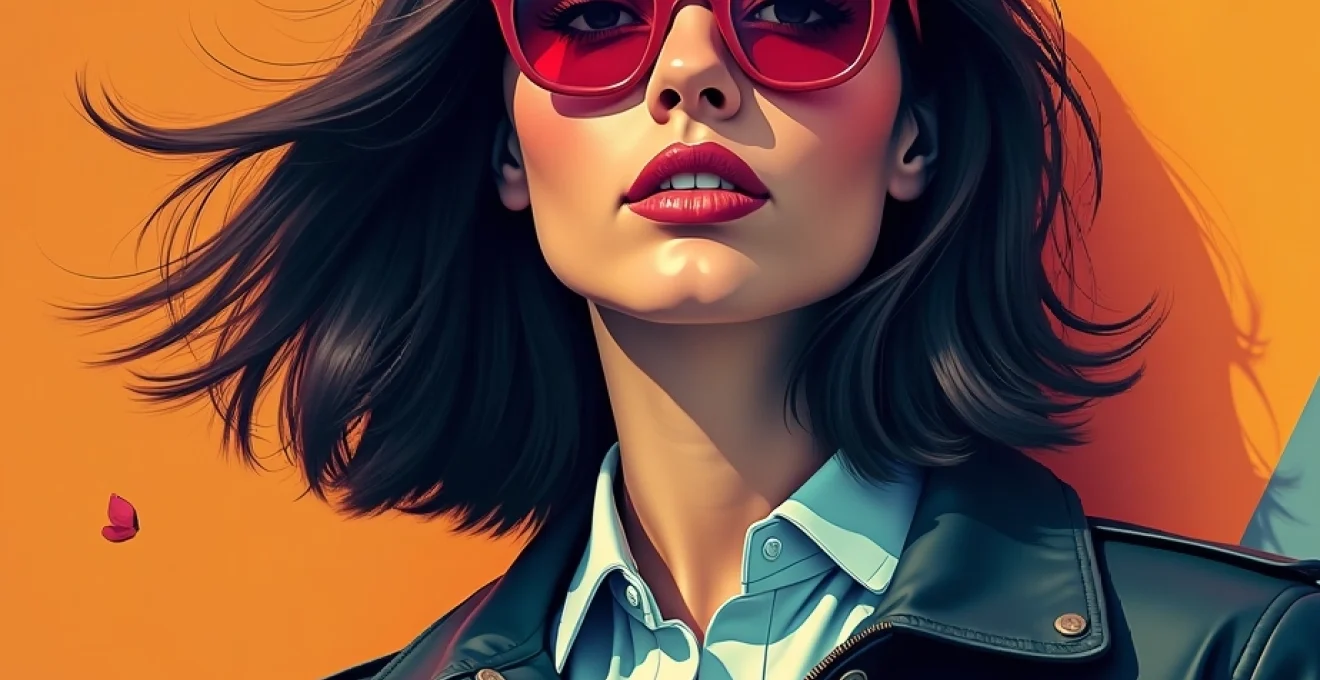
Fashion serves as one of the most powerful forms of nonverbal communication, revealing intricate details about who you are before you even speak a word. When you embrace daring new styles, you’re essentially creating a visual autobiography that showcases your inner world to everyone around you. The psychology behind fashion choices demonstrates that bold sartorial decisions often mirror deeper personality traits, from your willingness to take risks to your creative problem-solving abilities.
Research in behavioral psychology consistently shows that individuals who experiment with unconventional fashion tend to score higher on openness to experience and creativity assessments. Your clothing becomes a canvas for self-expression, allowing you to communicate complex aspects of your identity through color choices, silhouettes, textures, and styling techniques. This phenomenon extends far beyond simple vanity or trend-following—it represents a fundamental human need to express authenticity and connect with others who share similar values or aesthetic sensibilities.
Daring styles express your unique personality traits
The relationship between bold fashion choices and personality characteristics operates on multiple psychological levels, creating a complex web of self-expression that reveals far more than surface-level preferences. When you choose to wear something that pushes boundaries or challenges conventional norms, you’re demonstrating several key personality traits that influence how you navigate the world around you.
Clothing choices reflect inner confidence levels
Your willingness to wear statement pieces directly correlates with your internal confidence levels and self-assurance. Individuals who gravitate toward daring fashion choices typically possess higher levels of self-esteem and feel comfortable standing out from the crowd. This confidence manifests in various ways—perhaps you’re drawn to vibrant colors that command attention, or you prefer architectural silhouettes that create dramatic visual impact.
Psychology research indicates that people who dress boldly often exhibit what experts call “appearance self-esteem,” meaning they feel confident about how they present themselves to the world. This confidence extends beyond clothing into other life areas, influencing career choices, relationship dynamics, and personal goal-setting behaviors. When you wear something that feels authentically you, regardless of whether others might consider it unconventional, you’re exercising a form of self-validation that strengthens your overall sense of identity.
Eclectic outfits showcase multifaceted interests
The complexity of your wardrobe choices often mirrors the complexity of your intellectual and emotional landscape. People who mix unexpected elements—combining vintage band t-shirts with tailored blazers, or pairing delicate jewelry with edgy leather pieces—typically possess diverse interests and multifaceted personalities. This eclectic approach to fashion reveals someone who doesn’t feel confined to a single identity or social category.
Your ability to successfully blend different aesthetic elements demonstrates cognitive flexibility and creative thinking skills. Fashion psychologists note that individuals who create unexpected combinations often excel in other areas requiring innovative problem-solving. The same mental processes that allow you to envision how disparate clothing pieces might work together also enable you to find creative solutions in professional and personal challenges.
Bold accessories highlight expressive nature
The accessories you choose often provide the most revealing insights into your personality, as they represent purely aesthetic decisions rather than practical necessities. Someone who consistently chooses statement jewelry, unusual bags, or distinctive eyewear is typically comfortable with being noticed and enjoys sparking conversations through visual cues.
Bold accessory choices indicate several personality traits: a desire for social connection, comfort with attention, and appreciation for craftsmanship or artistic expression. Research shows that people who invest in unique accessories often score higher on measures of extroversion and openness to new experiences. Your willingness to wear accessories that might prompt questions or comments reveals someone who enjoys engaging with others and doesn’t mind explaining their choices.
Fashion is not just about looking good; it’s about feeling authentic and expressing the parts of yourself that words cannot capture.
Innovative fashion pushes personal boundaries
When you embrace innovative fashion choices, you’re engaging in a form of personal experimentation that extends far beyond clothing. This willingness to push sartorial boundaries often indicates a broader tendency toward growth-oriented thinking and comfort with change. Fashion innovation requires you to step outside established comfort zones, much like other forms of personal development.
Experimentation leads to Self-Discovery journey
The process of trying new styles functions as a form of identity exploration, allowing you to discover aspects of your personality that might otherwise remain hidden. Each time you experiment with a different aesthetic—whether it’s embracing maximalist prints, trying gender-neutral styling, or incorporating cultural elements from different traditions—you’re essentially conducting a personal research project about your own preferences and values.
This experimental approach to fashion often correlates with what psychologists call “identity flexibility,” the ability to adapt and evolve your sense of self based on new experiences and insights. People who regularly update their style demonstrate comfort with personal growth and change, viewing their identity as something dynamic rather than fixed. Your wardrobe becomes a laboratory for testing different aspects of your personality and seeing how they feel in practice.
Unconventional looks defy social norms
Choosing to dress in ways that challenge conventional expectations reveals important information about your relationship with authority and social conformity. When you wear something that might raise eyebrows or prompt second glances, you’re demonstrating independence of thought and comfort with potential social friction.
This willingness to defy fashion norms often extends to other areas of life, indicating someone who questions established rules and thinks critically about social expectations. Research in social psychology shows that individuals who dress unconventionally often score higher on measures of nonconformity and independent thinking. Your fashion choices become a form of subtle rebellion against rigid social categories and expectations, signaling to others that you value authenticity over approval.
Creativity flourishes through sartorial risks
Taking fashion risks requires the same creative muscles used in artistic endeavors, problem-solving, and innovative thinking. When you combine unexpected colors, mix patterns that “shouldn’t” go together, or style garments in unconventional ways, you’re exercising creative decision-making skills that transfer to other life areas.
The creative process involved in assembling daring outfits shares similarities with other forms of artistic expression—you’re working with visual elements like color, texture, proportion, and contrast to create something aesthetically pleasing or emotionally resonant. This creative approach to personal style often indicates broader creative abilities and comfort with ambiguity, as there’s rarely one “correct” way to style an outfit.
Authentic style cultivates genuine connections
Daring fashion choices serve as a powerful filtering mechanism for social connections, helping you attract like-minded individuals while communicating your values and interests to potential friends, colleagues, and romantic partners. When you dress authentically rather than following mainstream trends, you’re essentially broadcasting information about your personality that helps others determine compatibility.
The concept of “style signaling” explains how fashion choices communicate complex information about your social identity, cultural affiliations, and personal values. Someone who consistently chooses sustainable fashion brands, for example, is signaling environmental consciousness. Similarly, incorporating vintage pieces might indicate appreciation for history and craftsmanship, while embracing cutting-edge designers could suggest forward-thinking attitudes and comfort with innovation.
Your authentic style choices create opportunities for meaningful conversations and connections with others who share similar aesthetic sensibilities or values. Fashion becomes a form of social sorting, helping you identify potential friends or collaborators who appreciate creativity, independence, and self-expression. This natural selection process often leads to more satisfying relationships, as you’re connecting with people who appreciate your authentic self rather than a carefully constructed facade.
Studies in social psychology demonstrate that people who dress authentically report higher satisfaction with their social relationships and feel more understood by their peer groups. When you’re comfortable expressing your true self through fashion, you give others permission to do the same, creating environments where genuine connection becomes possible. Your willingness to be visually vulnerable—to show your true preferences and personality through clothing—often inspires similar authenticity in others.
Your willingness to express yourself through bold fashion choices creates space for others to do the same, fostering environments of mutual authenticity and creative expression.
Fashion-forward thinking shapes pioneering personas
Individuals who consistently embrace cutting-edge fashion trends or create their own innovative styling approaches often exhibit personality traits associated with leadership and pioneering thinking. This fashion-forward mindset reflects broader patterns of behavior, including willingness to take calculated risks, comfort with being first to try new approaches, and confidence in personal judgment even when others might disagree.
Visionary outfits embody trailblazing spirits
When you create outfits that feel ahead of their time or challenge current fashion conventions, you’re demonstrating visionary thinking that often extends to other life areas. Fashion visionaries typically possess strong intuitive abilities and can anticipate cultural shifts before they become mainstream. This forward-thinking approach to style indicates someone who’s comfortable operating without extensive precedent or social validation.
The same personality traits that drive innovative fashion choices—curiosity about future possibilities, comfort with uncertainty, and willingness to experiment—often manifest in professional contexts as entrepreneurial thinking or creative problem-solving. People who dress like they’re from the future typically think about other aspects of life with similar forward-looking perspectives, whether that’s career planning, relationship building, or personal development strategies.
Cutting-edge ensembles exude trendsetter vibes
Trendsetters in fashion often possess natural leadership qualities and influence over others’ choices and behaviors. When you consistently wear styles that others later adopt, you’re demonstrating cultural influence and the ability to spot emerging trends before they gain widespread acceptance. This trendsetting ability requires sophisticated understanding of cultural zeitgeist and confidence in your aesthetic judgment.
Research in fashion psychology shows that trendsetters typically score high on measures of social confidence and enjoy being recognized for their innovative choices. However, true trendsetters aren’t motivated primarily by attention-seeking; instead, they’re driven by genuine excitement about new possibilities and desire to share discoveries with others. Your trendsetting behavior indicates someone who values progress and enjoys helping others expand their horizons.
Avant-garde aesthetics inspire innovative lifestyles
Embracing avant-garde fashion elements reflects a personality that thrives on pushing boundaries and exploring uncharted territory. People drawn to experimental designers, unusual materials, or conceptual fashion pieces often approach other life areas with similar innovative mindsets. This aesthetic adventurousness indicates comfort with ambiguity and appreciation for art as a form of intellectual exploration.
Avant-garde fashion choices reveal someone who views clothing as more than mere covering or social signaling—it becomes a form of wearable art that provokes thought and challenges assumptions. This philosophical approach to fashion often correlates with broader interests in contemporary art, experimental music, or cutting-edge technology. Your willingness to wear pieces that might confuse or challenge viewers demonstrates intellectual courage and comfort with being misunderstood.
Avant-garde fashion choices reflect a mind that sees possibility where others see only convention, transforming everyday dressing into an act of creative revolution.
Evolving wardrobe reflects personal growth stages
The evolution of your fashion choices over time provides a fascinating window into your personal growth journey, revealing how your values, confidence levels, and self-understanding have shifted. People who regularly update their style in response to internal changes demonstrate emotional intelligence and commitment to authentic self-expression. This wardrobe evolution often mirrors broader life transitions, from career changes to relationship developments to shifts in personal priorities.
Fashion psychologists note that individuals who allow their style to evolve naturally tend to have healthier relationships with change and personal development. Rather than clinging to outdated versions of themselves, they use fashion as a tool for processing and expressing internal growth. Your willingness to abandon previous style choices that no longer feel authentic demonstrates emotional maturity and commitment to ongoing self-discovery.
The cyclical nature of fashion trends also creates interesting opportunities for personal reflection, as you might find yourself drawn to styles you previously rejected or returning to elements from earlier periods in your life with new appreciation. This complex relationship between personal history and evolving taste reveals someone who views identity as fluid rather than fixed, approaching self-expression as an ongoing creative project rather than a problem to be solved once and forgotten.
Your fashion journey becomes a form of visual autobiography, documenting not just what you wore during different periods but who you were becoming and what you valued during those transitions. Whether you’re gravitating toward more minimalist aesthetics as you focus on sustainability, or embracing bolder colors as you gain confidence, these shifts communicate important information about your internal landscape to anyone paying attention. The courage required to continuously evolve your style—knowing that others might question or judge these changes—indicates strong self-awareness and commitment to authenticity over comfort or social approval.