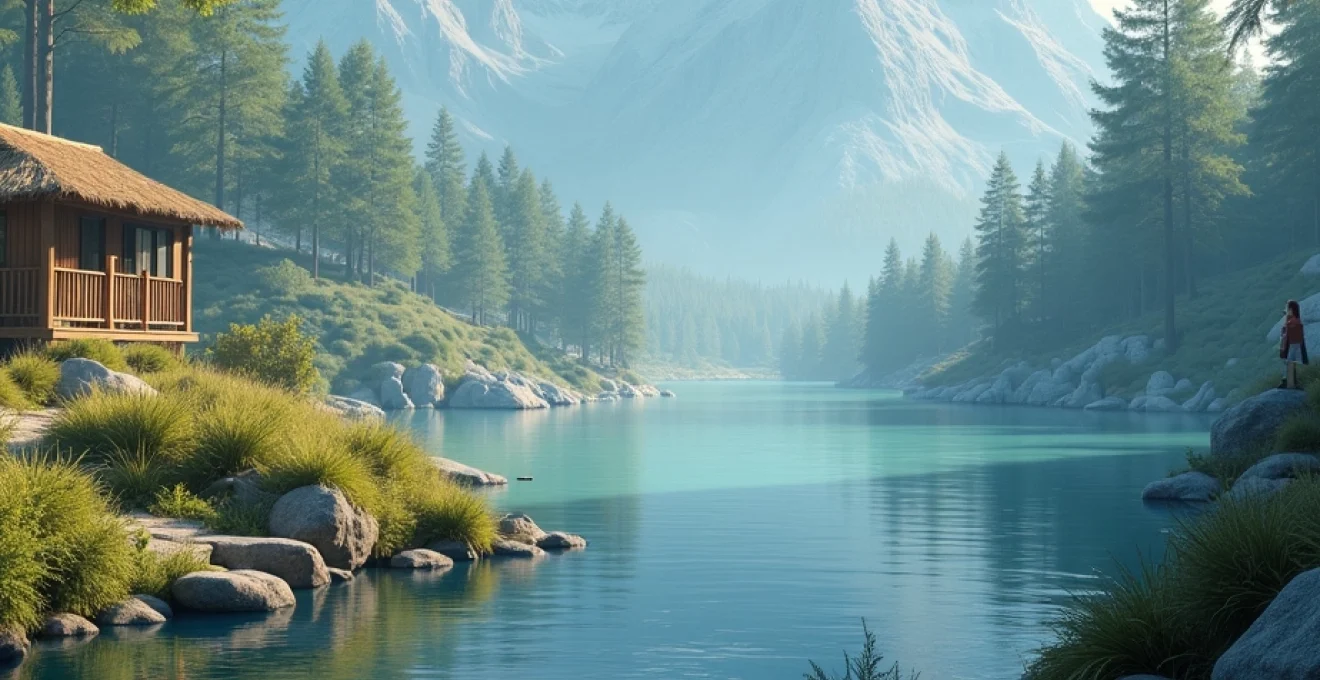
In our increasingly connected world, the need for genuine relaxation and mental restoration has never been more critical. Research consistently demonstrates that spending time in natural environments offers profound benefits for both physical and mental wellbeing, with studies showing that just 20 minutes in nature can significantly reduce cortisol levels and blood pressure. Natural settings provide a sanctuary from the relentless pace of modern life, offering spaces where the mind can truly unwind and the spirit can find renewal. Whether seeking solitude among towering trees, tranquility beside flowing water, or perspective atop mountain peaks, nature’s diverse landscapes hold the key to profound personal restoration and rejuvenation.
Forest bathing soothes the body and mind
The ancient Japanese practice of shinrin-yoku , commonly known as forest bathing, represents one of nature’s most powerful therapeutic experiences. This mindful approach to forest immersion goes far beyond simple hiking or walking, focusing instead on conscious awareness and sensory engagement with woodland environments. Scientific research has validated what practitioners have long understood: spending intentional time among trees can reduce stress hormones, boost immune function, and promote overall psychological wellbeing.
Immerse yourself in nature’s healing embrace
Forest environments create natural therapeutic spaces through their complex ecosystems and unique atmospheric qualities. The practice involves moving slowly through wooded areas, engaging all five senses to fully absorb the forest’s healing properties. Trees release organic compounds called phytoncides, which have been shown to increase the production of natural killer cells in the human immune system. These aromatic compounds, combined with the forest’s visual complexity and acoustic richness, create an environment perfectly suited for mental restoration and physical healing.
Research conducted across multiple studies has demonstrated that forest bathing can lower blood pressure, reduce anxiety levels, and improve cognitive function. The practice encourages participants to disconnect from digital distractions and reconnect with natural rhythms, fostering a sense of peace that extends well beyond the forest visit itself. Many practitioners report enhanced creativity, improved sleep quality, and a greater sense of life satisfaction following regular forest bathing sessions.
Breathe deeply the fresh forest air
Forest air quality differs significantly from urban environments, containing higher oxygen levels and fewer pollutants. The canopy acts as a natural air filtration system, removing harmful particles while releasing beneficial compounds. Deep breathing exercises in forest settings can improve lung function, increase oxygen saturation, and promote relaxation responses throughout the nervous system. The negative ions present in forest atmospheres, particularly near water features like streams or waterfalls, have been linked to improved mood and energy levels.
The act of conscious breathing in natural settings activates the parasympathetic nervous system, triggering the body’s rest and digest response. This physiological shift counteracts the chronic stress responses common in modern urban living. Mindful breathing practices combined with forest environments create powerful opportunities for both physical and mental restoration, establishing new patterns of calm that can be accessed even after leaving the natural setting.
Listen to the calming woodland sounds
Forest soundscapes provide natural acoustic therapy through their complex layering of organic sounds. The rustling of leaves, bird songs, flowing water, and subtle wind patterns create what researchers call “natural sound masking,” which helps reduce mental fatigue and promote relaxation. These organic soundscapes have been shown to lower cortisol levels more effectively than silence or artificial nature sounds, demonstrating the importance of authentic natural environments for stress reduction.
Different forest sounds activate various healing responses in the human brain. Bird songs, for instance, have been found to reduce anxiety and improve concentration, while the sound of flowing water promotes alpha brain wave activity associated with relaxation and creativity. The absence of mechanical noise pollution in deep forest settings allows the nervous system to reset, creating space for the kind of profound rest that our ancestors experienced as part of daily life.
Seaside escapes offer tranquility and peace
Coastal environments possess unique restorative qualities that distinguish them from other natural settings, combining visual expansiveness with rhythmic sensory experiences. The ocean’s constant motion creates a meditative backdrop that naturally encourages present-moment awareness, while the negative ions generated by crashing waves have been scientifically linked to improved mood and reduced stress levels. Beach environments offer what psychologists term “soft fascination,” where attention is gently captured without mental strain, allowing cognitive resources to restore naturally.
The therapeutic benefits of seaside environments extend beyond their visual appeal to encompass multi-sensory healing experiences. The sound of waves follows natural rhythmic patterns that synchronize with human brainwave frequencies, promoting states of calm alertness ideal for meditation and reflection. Ocean air contains higher concentrations of beneficial minerals and negative ions, which can improve respiratory function and boost serotonin production. The vastness of seascapes provides psychological relief from the enclosed spaces of modern urban living, offering perspectives that naturally reduce anxiety and promote emotional balance.
Many coastal areas combine multiple therapeutic elements within single locations, creating comprehensive wellness environments. Sandy beaches encourage barefoot walking, which connects visitors directly with the earth’s natural electromagnetic field through a practice known as “grounding” or “earthing.” This direct physical connection has been associated with reduced inflammation, improved sleep quality, and enhanced overall wellbeing. Tidal pool exploration and beachcombing activities provide gentle, meditative activities that engage curiosity while maintaining relaxed states of awareness.
The expansive horizons visible from coastal locations offer psychological benefits through what researchers call “prospect and refuge theory.” These environments provide both open views that satisfy our evolutionary need to survey our surroundings and sheltered spaces where we can feel secure and protected. This combination creates ideal conditions for stress reduction and mental restoration, explaining why seaside vacations consistently rank among the most effective forms of natural therapy for urban dwellers seeking peace and rejuvenation.
Mountain retreats revitalize the spirit
Alpine environments offer unique opportunities for spiritual renewal through their combination of physical challenge, pristine air quality, and expansive perspectives. Mountain regions typically provide cleaner air with higher oxygen content, though at elevated altitudes, this requires physiological adaptation that can enhance overall fitness and mental clarity. The dramatic landscapes found in mountainous areas create what psychologists term “awe-inducing experiences,” which have been shown to increase life satisfaction, reduce materialism, and promote prosocial behaviors.
Hike invigorating trails with scenic views
Mountain hiking combines cardiovascular exercise with immersive natural experiences, creating powerful opportunities for both physical and mental restoration. Trail walking in alpine environments exposes hikers to varied terrain that challenges balance, coordination, and strength while providing constantly changing visual stimuli that prevent mental fatigue. The rhythmic nature of hiking promotes meditative states similar to those achieved through walking meditation practices, allowing hikers to experience moving mindfulness while gaining physical fitness.
Scenic mountain views provide what environmental psychologists call “restorative experiences” through their ability to capture attention without mental effort. These landscapes offer visual complexity and natural patterns that engage the mind constructively while allowing cognitive resources to recover from directed attention fatigue. Research indicates that exposure to mountain vistas can improve creative problem-solving abilities and enhance overall psychological wellbeing for weeks following the experience.
Meditate amidst majestic mountain landscapes
Mountain environments provide ideal settings for contemplative practices due to their combination of visual grandeur, acoustic clarity, and atmospheric purity. The silence found in high-altitude locations allows for deeper meditation experiences, as the absence of human-generated noise pollution creates space for subtle internal awareness. Alpine meditation practices often incorporate the vastness of mountain landscapes as focal points, helping practitioners develop expanded awareness and perspective on personal challenges and life circumstances.
The stability and permanence represented by mountain landscapes provide powerful metaphors for meditation practice, encouraging practitioners to cultivate similar qualities of steadiness and endurance in their own lives. Many meditation traditions specifically recommend mountain settings for intensive practice periods, recognizing the supportive qualities these environments offer for deepening contemplative awareness and spiritual insight.
Unplug from technology in remote cabins
Mountain cabins and remote lodges offer essential opportunities to disconnect from digital devices and reconnect with natural rhythms. The absence of cellular coverage and internet connectivity in many alpine locations creates natural boundaries that support digital detox experiences. This forced disconnection allows visitors to rediscover activities like reading, journaling, and face-to-face conversation while developing renewed appreciation for simple pleasures often overlooked in connected urban environments.
Remote mountain accommodations typically encourage self-sufficiency and mindful resource use, practices that can enhance appreciation for basic necessities like clean water, warm shelter, and nourishing food. The slower pace of life required in these settings provides opportunities to observe natural cycles, from sunrise and sunset patterns to weather changes and seasonal transitions. These experiences help visitors develop more sustainable relationships with both technology and consumption patterns that can positively influence long-term lifestyle choices.
Desert oases provide solitude and serenity
Desert environments offer profound opportunities for introspection and spiritual renewal through their unique combination of vast open spaces, dramatic silence, and extreme natural beauty. These arid landscapes strip away the visual complexity found in other natural environments, creating simplified settings that naturally encourage contemplation and self-reflection. The absence of dense vegetation and human infrastructure in desert regions provides unobstructed views of sky and horizon, fostering feelings of expanded awareness and connection to larger cosmic rhythms.
The harsh beauty of desert landscapes creates what environmental psychologists call “sublime experiences,” where individuals encounter natural forces so vast and powerful that they inspire both awe and humility. These encounters with desert grandeur can shift perspective on personal problems and everyday concerns, providing the kind of transformative experiences that support long-term psychological wellbeing. Desert solitude offers rare opportunities for uninterrupted self-reflection in environments free from the distractions and stimulation common in modern urban settings.
Stargaze under vast expanses of sky
Desert regions typically offer exceptional conditions for astronomical observation due to their low humidity, minimal light pollution, and clear atmospheric conditions. The experience of observing stars, planets, and cosmic phenomena in desert settings provides profound perspective on human existence within larger universal contexts. Stargazing activities naturally encourage contemplative states while providing educational opportunities to learn about astronomy, navigation, and indigenous knowledge systems related to celestial observation.
The darkness preserved in remote desert areas represents an increasingly rare natural resource in our illuminated world. Studies have shown that exposure to natural darkness patterns supports healthy circadian rhythms, improves sleep quality, and enhances production of beneficial hormones like melatonin. Desert stargazing combines these physiological benefits with the psychological advantages of awe-inspiring experiences, creating comprehensive wellness opportunities that address both body and spirit.
Explore unique flora in arid environments
Desert ecosystems support remarkable plant communities that demonstrate resilience, adaptation, and efficient resource use in challenging conditions. Observing and learning about desert plants like cacti, succulents, and drought-resistant shrubs can provide inspiration for developing similar qualities of persistence and resourcefulness in personal life circumstances. The specialized adaptations visible in desert flora offer natural metaphors for thriving in difficult conditions while maintaining essential vitality.
Many desert plants produce spectacular blooms during favorable seasons, creating dramatic displays of color and beauty that contrast strikingly with the austere landscape. These ephemeral flowering events teach valuable lessons about patience, timing, and the importance of conserving energy for moments of peak expression. Botanical exploration in desert environments encourages slower, more observant approaches to natural discovery while developing appreciation for subtle beauty often overlooked in more visually complex ecosystems.
Find inner calm in the stillness
Desert environments provide some of Earth’s most profound experiences of natural silence, creating acoustic conditions that support deep meditation and introspective practices. The absence of flowing water, dense vegetation, and abundant wildlife creates simplified soundscapes where subtle natural sounds become more apparent and meaningful. This acoustic clarity allows visitors to develop enhanced listening skills while experiencing the restorative effects of genuine quietude rarely available in populated areas.
The spaciousness characteristic of desert landscapes externally mirrors and supports internal experiences of expanded awareness and mental clarity. The visual simplicity of arid environments reduces cognitive load, allowing mental resources to focus on internal processes rather than external stimuli processing. Many contemplative traditions specifically recommend desert retreats for intensive spiritual practices, recognizing these environments’ unique capacity to support profound states of inner stillness and spiritual insight.
Lakeside getaways restore balance and harmony
Freshwater lake environments combine the calming effects of water with the accessibility and safety of contained aquatic systems, creating ideal settings for relaxation and recreational activities. Lakes offer unique therapeutic benefits through their combination of reflective water surfaces, diverse wildlife habitats, and typically sheltered locations that provide protection from harsh weather conditions. The still or gently moving water found in lake systems creates natural mirrors that reflect sky, clouds, and surrounding landscapes, doubling visual beauty while encouraging contemplative awareness.
Lake ecosystems support diverse wildlife communities that provide excellent opportunities for nature observation and wildlife photography. Bird watching around lake environments can be particularly rewarding, as these areas often serve as important stopover points for migratory species and year-round habitats for waterfowl, wading birds, and raptors. The predictable presence of wildlife around lakes creates reliable opportunities for peaceful observation activities that promote patience, attention, and connection with natural communities.
Many lake environments offer excellent conditions for water-based activities like kayaking, canoeing, swimming, and fishing, providing gentle exercise options that combine physical activity with nature immersion. These activities typically operate at slower paces than ocean-based water sports, making them accessible to people of various fitness levels and ages. Peaceful paddling activities on calm lake waters create meditative experiences where rhythmic movements combine with natural surroundings to promote both physical fitness and mental tranquility.
The therapeutic value of lakeside environments lies in their ability to provide both active recreation and passive restoration within single locations, accommodating diverse preferences for nature-based wellness activities.
Lakeside camping and cabin accommodations often provide ideal settings for extended nature retreats, offering comfortable access to water activities while maintaining proximity to hiking trails, wildlife viewing areas, and quiet spaces for reading and reflection. The gentle sounds of lapping water, calling loons, and rustling shoreline vegetation create natural soundscapes that promote relaxation and healthy sleep patterns. Evening activities like campfire gatherings, stargazing, and listening to nighttime wildlife sounds extend the restorative benefits of lake environments into peaceful evening experiences that support overall wellbeing and life balance.
The gentle rhythm of water lapping against shoreline rocks creates a natural metronome that helps synchronize breathing patterns and heart rate, promoting physiological relaxation responses that can persist long after leaving the lakeside environment. This acoustic consistency provides an ideal backdrop for meditation practices, reading, or simply sitting in contemplative silence while absorbing the peaceful energy that lakeside settings naturally cultivate.
Lake environments often feature gradual temperature transitions throughout the day, from cool morning mists that encourage gentle awakening to warm afternoon sunshine perfect for outdoor activities. These natural thermal cycles help visitors align their daily rhythms with environmental patterns, supporting healthier sleep-wake cycles and improved overall energy levels. The moderate climate conditions typical around many lakes create comfortable outdoor experiences that can be enjoyed across multiple seasons, making lakeside retreats accessible and appealing throughout the year.
The reflective qualities of lake water surfaces create unique opportunities for contemplative photography and artistic expression, as changing light conditions throughout the day transform the visual character of these environments. Early morning and evening hours often provide spectacular displays of reflected sunlight, cloud formations, and surrounding landscape features that inspire creative pursuits and mindful observation. Many visitors find that spending time near lakes naturally encourages slower, more observant approaches to experiencing natural beauty, fostering appreciation for subtle changes and ephemeral moments often missed in busier environments.
Studies have shown that people living within walking distance of lakes report higher levels of life satisfaction and lower rates of anxiety-related disorders compared to those in purely urban environments, highlighting the profound impact these natural spaces can have on long-term mental health and wellbeing.
Lakeside environments provide excellent opportunities for gentle exercise activities that combine physical movement with natural stress relief. Walking or jogging along lake perimeters offers scenic routes with relatively flat terrain that accommodates various fitness levels while providing constantly changing views and fresh air benefits. The presence of water creates natural cooling effects that make outdoor exercise more comfortable during warmer weather, while the peaceful surroundings help reduce the perceived effort of physical activity, making healthy movement feel more enjoyable and sustainable.
The biodiversity typically found around lake ecosystems creates rich educational opportunities for nature enthusiasts interested in learning about aquatic and terrestrial wildlife interactions. Observing how different species use lake resources throughout daily and seasonal cycles provides insights into natural systems while encouraging patience and focused attention that support mindfulness practices. Many lakeside areas offer guided nature walks, bird watching groups, and educational programs that combine learning with relaxation, creating meaningful experiences that engage both intellectual curiosity and emotional wellbeing while fostering deeper connections with natural communities.