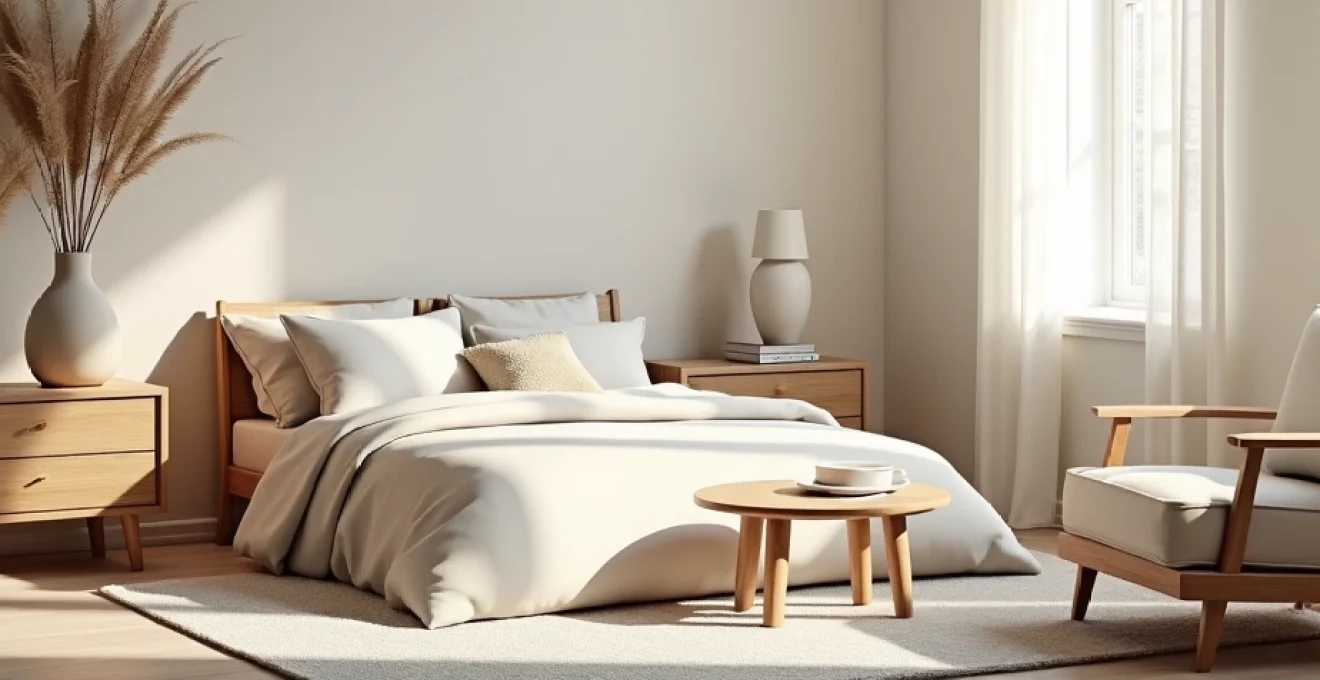
In an era where modern life bombards us with visual noise and material excess, minimalist interior design emerges as a powerful antidote to chaos. This design philosophy, rooted in the principle that “less is more,” transforms living spaces into sanctuaries of calm and clarity. Minimalist decor isn’t merely about owning fewer possessions; it’s about creating intentional environments that prioritize function, beauty, and peace of mind. The movement has gained remarkable traction among homeowners seeking refuge from cluttered lifestyles, with interior design trends showing a 40% increase in minimalist-inspired projects over the past five years.
The essence of successful minimalist design lies in thoughtful curation rather than stark emptiness. Every element serves a purpose, every color choice creates harmony, and every spatial decision contributes to an atmosphere of tranquility. This approach challenges conventional decorating wisdom by proving that restraint can be more impactful than abundance, and that carefully chosen elements can speak louder than rooms filled with decorative objects.
Embrace neutral colors for a serene ambiance
The foundation of any successful minimalist space begins with a carefully curated color palette that promotes serenity and visual coherence. Neutral colors serve as the backbone of minimalist design, creating a canvas that allows architectural features, natural light, and selected furnishings to take center stage. These hues work harmoniously to establish a sense of calm that permeates every corner of your living space.
Research conducted by the International Association of Color Consultants reveals that neutral-dominated interiors can reduce stress levels by up to 25% compared to spaces with bold, contrasting color schemes. This psychological impact stems from the brain’s ability to process neutral tones more efficiently, reducing visual fatigue and promoting mental clarity. The strategic use of neutral palettes also creates a timeless quality that transcends fleeting design trends.
Choose shades of white beige cream
The triumvirate of white, beige, and cream forms the cornerstone of minimalist color theory. These shades create a sense of spaciousness while reflecting maximum light throughout your interior. White walls serve as the ultimate backdrop, making rooms appear larger and brighter, particularly beneficial in smaller living spaces or areas with limited natural light. The key lies in understanding the subtle differences between various white undertones – some lean cool with blue or gray hints, while others embrace warmth through yellow or pink undertones.
Beige and cream introduce gentle warmth without compromising the clean aesthetic that defines minimalist spaces. These earth-inspired hues prevent stark white environments from feeling sterile or unwelcoming. Consider incorporating different textures within this color family – matte white walls paired with cream-colored linen curtains and beige stone countertops create visual interest through material variation rather than color contrast.
Introduce subtle grays for depth contrast
Gray serves as the perfect mediator in minimalist color schemes, offering sophistication and depth without disrupting visual harmony. This versatile hue ranges from cool blue-grays that evoke modern sophistication to warm charcoal tones that add grounding weight to airy spaces. Strategic gray placement can define architectural features, highlight specific zones, or create subtle focal points within neutral environments.
Interior designers recommend the 60-30-10 rule when incorporating gray into minimalist spaces: 60% light neutrals, 30% medium grays, and 10% darker accent tones. This proportion ensures visual balance while maintaining the uncluttered aesthetic that characterizes successful minimalist design. Gray cabinetry, stone flooring, or textile accents can introduce this crucial element without overwhelming the space’s serene character.
Opt for muted earth tones accents
While strict minimalism often gravitates toward monochromatic schemes, introducing muted earth tones can add warmth and connection to nature without compromising the clean aesthetic. Soft sage greens, dusty blues, warm taupes, and gentle terracotta hues work harmoniously within neutral frameworks. These colors should appear sparingly – perhaps in a single accent wall, carefully chosen artwork, or natural textile elements.
The psychology of earth tones in interior design shows that these colors can increase feelings of stability and comfort by 35%, according to environmental psychology studies. When selecting earth-tone accents, consider their saturation levels carefully. Highly saturated colors can disrupt minimalist harmony, while muted versions integrate seamlessly into neutral palettes while providing subtle visual interest and emotional warmth.
Declutter spaces to create peaceful environments
The practice of decluttering extends far beyond simple organization – it represents a fundamental shift toward intentional living that defines successful minimalist interiors. This process requires examining every possession through the lens of necessity, beauty, and emotional significance. Decluttered spaces don’t merely look cleaner; they function more efficiently and promote mental clarity by removing visual distractions that can overwhelm the senses.
Studies by UCLA’s Center for Everyday Lives and Families found that residents of cluttered homes showed higher cortisol levels throughout the day, indicating chronic stress. Conversely, those living in organized, minimalist environments demonstrated improved focus, better sleep quality, and enhanced overall well-being. The act of decluttering itself can be therapeutic, providing a sense of control and accomplishment that extends beyond the physical space.
Remove unnecessary items optimize storage solutions
The decluttering process begins with honest assessment of every item’s purpose and value within your living space. Apply the “one-year rule” – if an item hasn’t been used or appreciated within the past year, consider removing it from your home. This doesn’t necessarily mean disposal; items can be donated, sold, or stored elsewhere if they hold sentimental value but don’t contribute to daily functionality.
Hidden storage solutions play a crucial role in maintaining minimalist aesthetics while accommodating necessary possessions. Built-in cabinets, under-bed storage, and multifunctional furniture pieces allow you to keep essential items without compromising visual clarity. Consider furniture with integrated storage – ottomans with interior compartments, dining tables with drawers, or bed frames with built-in shelving. These solutions maintain clean lines while providing practical functionality.
Professional organizers recommend the “container principle” for optimizing storage: assign specific containers or designated spaces for different categories of items. This approach prevents accumulation of unnecessary objects while ensuring that everything has a designated place. Regular maintenance involves returning items to their assigned locations immediately after use, preventing the gradual re-emergence of clutter.
Showcase carefully curated meaningful decorative elements
Minimalist design doesn’t eliminate decorative elements entirely; instead, it elevates them through careful selection and strategic placement. Each decorative piece should earn its place through exceptional beauty, personal significance, or functional value. Curated collections might include a single striking piece of artwork, a carefully chosen sculpture, or a beautiful vase that serves both aesthetic and practical purposes.
The concept of “breathing room” becomes essential when displaying decorative elements in minimalist spaces. Each piece requires adequate negative space around it to be properly appreciated. This approach transforms individual objects into focal points rather than components of busy arrangements. Consider the visual weight of decorative elements – larger pieces can anchor a space, while smaller items should be grouped thoughtfully to avoid creating visual scatter.
Maintain clean uncluttered surfaces promote tranquility
Surface management represents one of the most visible aspects of minimalist living. Clean countertops, clear coffee tables, and unadorned shelves create immediate visual calm while simplifying daily maintenance routines. This practice extends beyond mere aesthetics – clear surfaces improve functionality by providing workspace when needed and reducing cleaning time significantly.
Establishing daily habits supports long-term surface maintenance. Designate specific times for clearing surfaces – perhaps each evening before bed or first thing in the morning. Create designated “homes” for frequently used items like keys, mail, or electronic devices. Consider implementing a “one-touch rule” – handle items once and place them in their proper location rather than setting them down temporarily on surfaces.
The art of minimalism lies not in having less, but in making room for more of what matters – light, space, and peace of mind.
Prioritize quality functional pieces over quantity
The minimalist philosophy champions investment in fewer, superior-quality pieces rather than accumulating numerous mediocre items. This approach not only aligns with aesthetic goals but also proves more economical over time. Quality furniture typically offers better durability, timeless design, and superior craftsmanship that justifies initial investment costs. Research indicates that high-quality furniture pieces can last 15-25 years with proper care, compared to 3-7 years for lower-quality alternatives.
When selecting furniture for minimalist spaces, prioritize pieces that serve multiple functions without compromising design integrity. A well-crafted dining table might also serve as a workspace, while a beautiful storage bench can provide seating and organization simultaneously. Look for clean lines, neutral colors, and timeless silhouettes that won’t appear dated as trends evolve. Natural materials like solid wood, genuine leather, and quality metals age gracefully while maintaining their appeal over decades.
The concept of “cost per use” becomes particularly relevant in minimalist purchasing decisions. A higher-priced sofa used daily for ten years provides better value than an inexpensive piece requiring replacement every few years. This calculation should include not only monetary costs but also the time and effort involved in shopping for replacements, the environmental impact of disposal, and the disruption to your living space during transitions.
Consider the proportions and scale of furniture pieces in relation to your space. Oversized furniture can overwhelm smaller rooms, while undersized pieces may appear lost in larger spaces. Quality manufacturers often offer pieces in multiple sizes, allowing you to select proportions that enhance rather than compromise your room’s dimensions. Professional interior designers recommend measuring spaces carefully and creating floor plans before making significant furniture purchases.
Harness natural light enhance minimalist aesthetic
Natural light serves as the most important design element in minimalist interiors, transforming spaces through its ability to highlight textures, create depth, and establish mood throughout the day. Light management in minimalist design goes beyond simply allowing sunlight to enter – it involves understanding how light moves through spaces, reflects off surfaces, and changes character from dawn to dusk. Studies show that homes with abundant natural light can increase property values by up to 20% while providing significant health benefits including improved circadian rhythms and enhanced vitamin D production.
The relationship between light and minimalist design creates a symbiotic effect: clean, uncluttered spaces allow light to move freely and reflect efficiently, while abundant light makes spaces appear larger and more serene. This interaction explains why minimalist interiors often feature large windows, glass doors, and strategically placed mirrors to amplify available natural light. The goal involves creating environments where light becomes an active design participant rather than a passive illumination source.
Allow ample sunlight through sheer curtains
Window treatments in minimalist spaces should enhance rather than obstruct natural light flow while providing necessary privacy and light control. Sheer curtains offer the perfect balance, filtering harsh sunlight while maintaining visibility and connection to outdoor environments. These lightweight fabrics soften incoming light, creating gentle, diffused illumination that flatters minimalist interiors throughout the day.
When selecting sheer curtains for minimalist spaces, consider fabric weight, color, and hanging mechanisms carefully. Lighter fabrics allow maximum light transmission while heavier sheers provide more privacy and light diffusion. White and off-white sheers maintain neutral color schemes while allowing maximum light, though subtle earth tones can add warmth without compromising brightness. Ceiling-mounted tracks create cleaner lines than traditional curtain rods while allowing curtains to extend from floor to ceiling, enhancing vertical space perception.
Install dimmer switches create soft ambiance
Artificial lighting control becomes crucial during evening hours when natural light fades. Dimmer switches provide flexibility to adjust lighting levels according to activities, moods, and times of day. This technology allows single fixtures to serve multiple purposes – bright task lighting for reading or cooking, medium levels for general activities, and soft ambient lighting for relaxation or entertainment.
LED lighting technology has revolutionized dimmer capabilities, offering smooth dimming ranges, energy efficiency, and long lifespans that align with minimalist values. Smart dimmer switches can be programmed to adjust automatically throughout the day, gradually reducing light levels as bedtime approaches to support natural circadian rhythms. Consider installing dimmers on all primary lighting circuits to maximize control over your space’s ambiance while supporting the serene atmosphere that defines successful minimalist interiors.
Incorporate Warm-Toned lamps cozy lighting accents
While overhead lighting provides general illumination, accent lighting creates warmth and depth that prevents minimalist spaces from feeling sterile or cold. Table lamps, floor lamps, and wall sconces with warm-toned bulbs (2700K-3000K color temperature) provide intimate lighting that enhances evening comfort while maintaining design coherence. These fixtures should complement rather than compete with the overall aesthetic through simple forms and neutral colors.
Strategic lamp placement creates layers of light that add visual interest without cluttering surfaces or sightlines. Consider placement near seating areas for reading, beside beds for bedtime routines, or in corners to illuminate architectural features. Battery-operated LED lamps offer placement flexibility without requiring electrical modifications, particularly useful in rental spaces or rooms where wiring constraints limit traditional lamp locations. The key involves creating enough lighting variety to support different activities while maintaining the clean, uncluttered appearance that defines minimalist success.
Light is the soul of minimalist design – it reveals the beauty in simplicity and transforms empty space into tranquil sanctuary.
Integrate natural elements for organic warmth
The incorporation of natural elements represents a crucial strategy for preventing minimalist spaces from feeling stark or unwelcoming. Organic materials introduce texture, warmth, and visual interest while maintaining the clean aesthetic that defines minimalist design. These elements create connections to the natural world that research shows can reduce stress, improve air quality, and enhance overall well-being. A study by the University of Melbourne found that exposure to natural elements in interior environments can improve cognitive function by up to 15% while reducing mental fatigue.
Natural materials work particularly well in minimalist settings because they possess inherent beauty that requires no additional ornamentation. The grain patterns in wood, the variations in stone textures, and the organic forms of plants provide visual complexity without creating clutter. These elements age gracefully, developing patinas and character that enhance rather than diminish their appeal over time. This characteristic aligns perfectly with minimalist values of longevity and timeless design.
Consider incorporating natural elements through flooring materials like hardwood or natural stone, which provide foundational warmth while maintaining clean lines. Wooden furniture pieces, whether in light oak or rich walnut, introduce organic textures that soften the potential harshness of purely geometric forms. Live plants deserve special consideration for their ability to improve air quality while adding gentle color and movement to static environments. Select plant varieties that thrive in your specific light conditions and require minimal maintenance to avoid compromising the low-maintenance ideals of minimalist living.
The strategic placement of natural elements can define spaces and create focal points without disrupting visual flow. A single large plant in a corner can anchor a seating area, while a wooden accent wall can add warmth without overwhelming the space. Natural fiber textiles like linen, wool, and cotton contribute softness and texture while maintaining neutral color schemes. The key involves selecting natural elements that enhance rather than compete with the overall design vision, ensuring that each addition serves both aesthetic and functional purposes.
Biophilic design principles suggest that humans have an innate connection to nature that can be satisfied through thoughtful integration of natural elements in interior spaces. This connection becomes particularly important in urban environments where access to outdoor nature may be limited. Minimalist spaces enhanced with carefully chosen natural elements can provide psychological benefits while maintaining the clean, uncluttered aesthetic that defines successful minimalist design. The result creates environments that feel both sophisticated and welcoming, proving that minimalism need not sacrifice comfort for style.