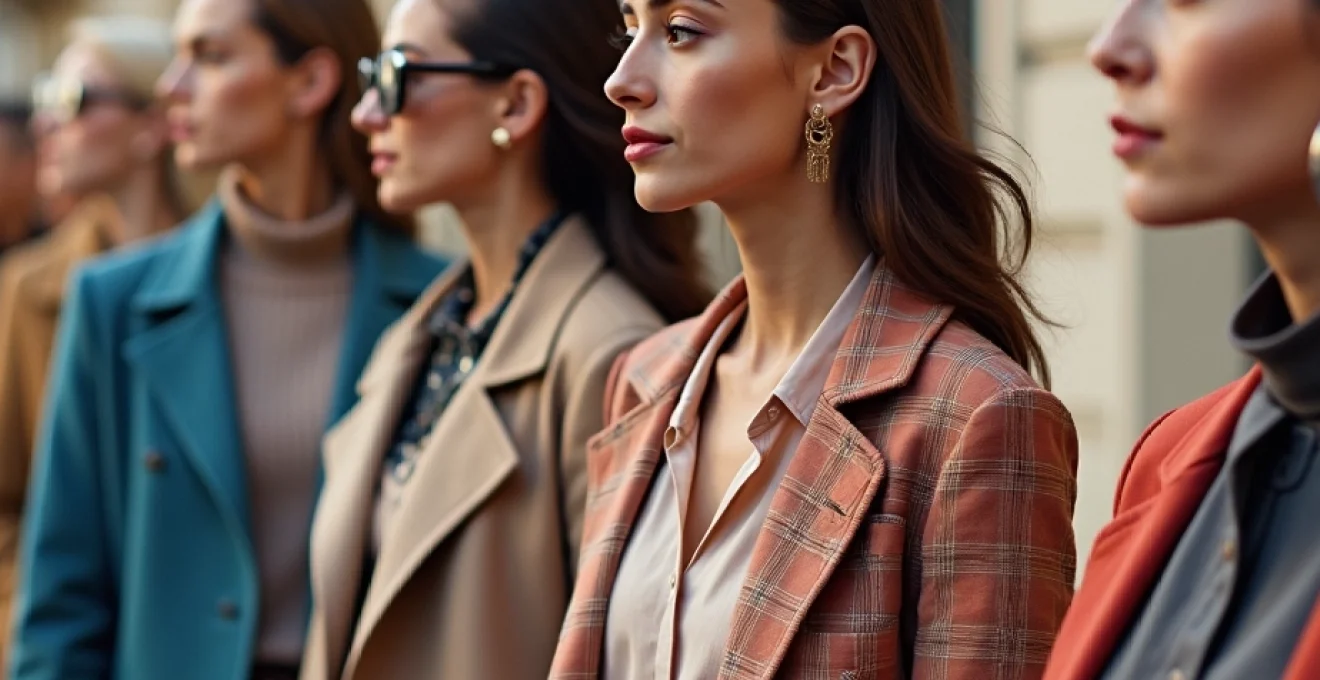
Fashion has always been a mirror reflecting society’s values, technological advances, and cultural shifts. Today’s contemporary looks demonstrate how style naturally evolves, building upon historical foundations while embracing innovative materials and cutting-edge design philosophies. The modern fashion landscape showcases an intricate dance between tradition and innovation, where timeless silhouettes receive fresh interpretations through sustainable practices and technological integration. This evolution isn’t merely about following fleeting trends—it represents a sophisticated understanding of how clothing can serve multiple purposes in our increasingly complex world.
Current fashion trends emerge from a complex interplay of factors that extend far beyond the traditional fashion calendar. Social consciousness, environmental awareness, and technological capabilities now drive design decisions as much as aesthetic preferences. The democratization of fashion through social media platforms has fundamentally altered how trends develop and spread, creating a more inclusive and diverse landscape where street style influences high fashion runways with unprecedented speed and impact.
Fashion trends emerge from societal shifts
Contemporary fashion trends don’t develop in isolation—they reflect broader societal transformations that shape how people live, work, and express themselves. The shift toward remote and hybrid work environments has fundamentally altered wardrobe priorities, leading to the rise of sophisticated athleisure and versatile pieces that transition seamlessly from home offices to social gatherings. This transformation demonstrates how fashion adapts to meet practical needs while maintaining aesthetic appeal.
The growing emphasis on mental health and wellness has influenced design philosophies, with brands increasingly focusing on comfort, functionality, and emotional well-being. Comfort-first fashion has evolved beyond simple loungewear to encompass thoughtfully designed pieces that prioritize both physical comfort and psychological confidence. This shift reflects a broader cultural movement toward prioritizing personal well-being over external validation.
Economic uncertainties have also shaped consumer behavior, driving demand for investment pieces that offer longevity and versatility. The concept of cost-per-wear has gained significant traction among conscious consumers who seek quality over quantity. This economic mindfulness has led to the resurgence of classic styles and neutral palettes that transcend seasonal trends, creating wardrobes built for durability rather than disposability.
Modern consumers increasingly view their clothing choices as extensions of their personal values, seeking brands that align with their beliefs about sustainability, social responsibility, and authentic self-expression.
Timeless styles adapt to contemporary tastes
The most enduring fashion trends demonstrate remarkable adaptability, continuously evolving to meet contemporary needs while maintaining their essential character. Classic wardrobe staples like white button-down shirts, tailored blazers, and well-fitted jeans serve as canvases for modern reinterpretation, proving that timeless design principles can accommodate changing lifestyles and aesthetic preferences.
Classic silhouettes updated with modern fabrics
Traditional garment shapes receive contemporary updates through innovative fabric technologies that enhance performance while maintaining aesthetic appeal. The classic trench coat, for example, now incorporates water-repellent treatments, breathable membranes, and temperature-regulating fibers that provide superior functionality without compromising the iconic silhouette that has remained virtually unchanged for over a century.
Similarly, the traditional blazer has evolved to incorporate stretch fabrics, moisture-wicking properties, and wrinkle-resistant treatments that make professional attire more comfortable and practical for modern lifestyles. These fabric innovations allow designers to honor classic proportions while meeting contemporary performance expectations, creating pieces that feel both familiar and refreshingly modern.
Traditional patterns reinterpreted for today’s aesthetic
Classic patterns like houndstooth, pinstripes, and plaids continue to influence modern design, but contemporary interpretations often feature updated color palettes, scale adjustments, and unexpected applications. Designers skillfully balance respect for traditional motifs with fresh perspectives that appeal to current aesthetic sensibilities, creating pieces that feel both nostalgic and forward-thinking.
The resurgence of vintage-inspired prints demonstrates how pattern design can bridge generational gaps, appealing to consumers who appreciate both historical references and contemporary styling. These reinterpreted classics offer a sense of continuity and authenticity in an increasingly fast-paced fashion environment, providing visual anchors that connect past and present.
Enduring looks reimagined by current designers
Contemporary designers demonstrate exceptional skill in reimagining iconic looks for modern audiences, preserving essential elements while introducing subtle modifications that reflect current values and lifestyles. The little black dress, for instance, continues to evolve through variations in necklines, sleeve treatments, and fabric choices that maintain its essential sophistication while accommodating diverse body types and style preferences.
These reimagined classics often incorporate modern construction techniques and sustainable materials that weren’t available to original designers, resulting in pieces that honor fashion history while embracing contemporary innovation. This approach creates a dialogue between past and present that enriches the fashion landscape and provides consumers with options that feel both timeless and relevant.
Street style influences high fashion runways
The traditional fashion hierarchy has experienced a fundamental shift, with street style now serving as a significant source of inspiration for high fashion designers. This democratization of fashion influence reflects broader cultural movements toward inclusivity and authenticity, where real-world styling carries as much weight as editorial direction. Social media platforms have amplified this trend, allowing everyday fashion enthusiasts to showcase creative combinations that often surpass runway presentations in terms of practical wearability and emotional resonance.
Contemporary designers increasingly look to urban environments and diverse communities for inspiration, recognizing that innovative styling often emerges from necessity, creativity, and cultural expression rather than formal design education. This shift has resulted in more diverse representation on runways and in marketing campaigns, reflecting a broader understanding that fashion excellence can emerge from any background or circumstance.
The influence of street style has also accelerated the pace of fashion cycles, with trends now developing and spreading at unprecedented speeds. What once took seasons to transition from runway to retail now happens in weeks or even days, creating a more dynamic and responsive fashion ecosystem. This acceleration has forced brands to become more agile in their design processes while maintaining quality and authenticity in their offerings.
Street style’s influence on high fashion represents a fundamental shift toward more democratic and inclusive fashion development, where creativity and authenticity matter more than traditional fashion credentials.
Technology drives innovation in clothing design
Technological advancement has revolutionized every aspect of clothing design, from initial concept development to final production and consumer experience. Modern fashion leverages cutting-edge technologies to create garments that would have been impossible just a decade ago, blending traditional craftsmanship with digital innovation to push the boundaries of what clothing can accomplish.
Smart textiles enhance garment functionality
Smart textiles represent one of the most exciting frontiers in fashion technology, incorporating electronic components directly into fabric structures to create garments with enhanced functionality. These innovative materials can monitor vital signs, regulate body temperature, change color in response to environmental conditions, or provide illumination for safety and aesthetic purposes.
The integration of conductive fibers allows for seamless connectivity between garments and electronic devices, enabling features like wireless charging capabilities built into pockets or gesture-controlled interfaces woven into sleeves. These advances transform clothing from passive coverings into active participants in digital lifestyles, offering convenience and functionality that traditional garments cannot provide.
3D printing enables customized fashion creations
Three-dimensional printing technology has opened new possibilities for fashion customization and on-demand production, allowing designers to create complex geometries and personalized fits that would be impossible through traditional manufacturing methods. This technology enables the production of intricate accessories, structural elements, and even complete garments that can be tailored to individual measurements and preferences.
The environmental benefits of 3D printing include reduced waste generation, local production capabilities, and the ability to create durable products that can be easily recycled or updated. As printing materials continue to improve, we can expect to see more sophisticated applications that combine aesthetic appeal with functional performance, making customized fashion more accessible and sustainable.
Wearable electronics integrate into stylish outfits
The integration of wearable electronics into fashionable garments represents a significant evolution in how we think about the intersection of technology and style. Modern wearables go beyond basic fitness tracking to include sophisticated sensors, communication capabilities, and interactive features that enhance both functionality and aesthetic appeal.
Designers are developing increasingly sophisticated methods for incorporating electronic components into garments without compromising comfort or style. From LED-embedded evening wear to jackets with built-in heating elements, wearable technology is becoming more seamless and fashionable, appealing to consumers who value both innovation and style in their clothing choices.
Sustainable fashion gains momentum
Environmental consciousness has become a driving force in contemporary fashion, with sustainability considerations influencing every aspect of the industry from raw material sourcing to end-of-life disposal. This shift reflects growing consumer awareness of fashion’s environmental impact and demonstrates how industry leaders are responding with innovative solutions that prioritize both style and ecological responsibility.
Eco-friendly materials become wardrobe staples
The development of sustainable materials has revolutionized fashion production, offering alternatives to traditional fabrics that provide superior environmental performance without sacrificing quality or aesthetic appeal. Innovative materials like Tencel, made from sustainably sourced wood pulp, and Econyl, created from recycled nylon waste, demonstrate how eco-friendly alternatives can match or exceed the performance of conventional materials.
These sustainable materials often offer additional benefits such as enhanced breathability, moisture-wicking properties, and antimicrobial characteristics that improve wearer comfort and garment longevity. The growing availability and affordability of these materials are making sustainable fashion choices more accessible to mainstream consumers, driving broader adoption across all market segments.
Circular economy principles shape fashion industry
The fashion industry’s embrace of circular economy principles represents a fundamental shift away from linear production models toward closed-loop systems that minimize waste and maximize resource efficiency. This approach encompasses design for durability, take-back programs, rental services, and innovative recycling technologies that extend garment lifecycles and reduce environmental impact.
Brands are implementing comprehensive circularity strategies that consider the entire product lifecycle, from initial design concepts through end-of-use recovery and recycling. These initiatives often involve partnerships with recycling companies, resale platforms, and repair services that create new revenue streams while reducing environmental impact. The circular economy approach is proving that sustainable practices can be both environmentally beneficial and economically viable.
Ethical production methods prioritized by brands
Ethical production practices have become increasingly important to both brands and consumers, driving improvements in worker conditions, fair wage policies, and supply chain transparency. Leading fashion companies are implementing comprehensive monitoring systems and partnering with certified suppliers to ensure that their production processes meet high ethical standards throughout their supply chains.
The integration of blockchain technology and other tracking systems enables unprecedented supply chain transparency, allowing consumers to verify the ethical credentials of their purchases. This transparency builds trust between brands and consumers while creating accountability mechanisms that encourage continuous improvement in production practices. Ethical production is no longer a niche concern but a fundamental requirement for brands seeking to build lasting relationships with conscious consumers.