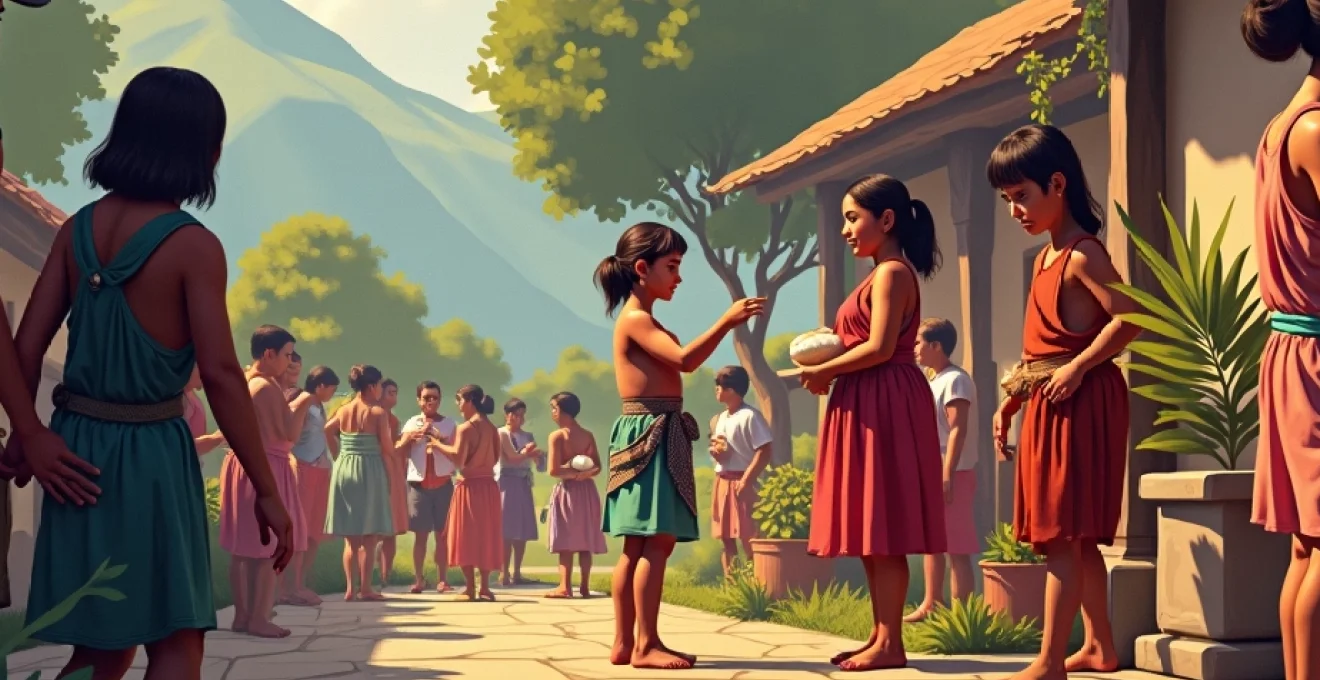
Living heritage encompasses the dynamic cultural expressions that communities actively practice, transmit, and continuously adapt to meet their evolving needs. Unlike static monuments or museum artifacts, this form of cultural inheritance breathes through daily interactions, seasonal celebrations, and the sharing of knowledge between generations. From the intricate storytelling traditions of Irish communities to the time-honored craft techniques passed down in Himalayan villages, living heritage represents humanity’s most vibrant connection to its cultural roots. These practices don’t merely preserve the past; they actively shape present identities while providing frameworks for future community development and environmental stewardship.
Living heritage as intangible cultural expressions
Living heritage manifests itself through five distinct domains recognized by UNESCO’s 2003 Convention for the Safeguarding of the Intangible Cultural Heritage. These domains encompass oral traditions and expressions, performing arts, social practices and festive events, knowledge about nature and the universe, and traditional craftsmanship. Each domain represents a vital thread in the complex tapestry of human cultural expression, interconnecting to create comprehensive systems of meaning and practice that define community identity.
The interconnected nature of these domains becomes evident when examining community celebrations like carnival festivals. Such events simultaneously incorporate oral storytelling traditions, musical and dance performances, costume-making skills, and social rituals that reinforce community bonds. This convergence demonstrates how living heritage operates as an integrated system rather than isolated cultural elements, creating rich experiences that engage multiple senses and cultural practices simultaneously.
Oral traditions passed down through generations
Oral traditions represent perhaps the most fundamental aspect of living heritage, serving as the primary vehicle for transmitting cultural knowledge across generations. These include proverbs, myths, songs, dialects, and narratives that encode community values, historical memories, and practical wisdom. The Glens Storytelling Festival in Northern Ireland exemplifies how traditional storytelling practices can be revitalized to reach diverse audiences, from children to elderly residents in care facilities, demonstrating the universal appeal of narrative traditions.
Language itself functions as the cornerstone of oral heritage, carrying within its structure unique ways of understanding and categorizing the world. The revival of Cornish language through community festivals like Kemeneth illustrates how linguistic heritage can be actively reconstructed and integrated into contemporary cultural practices. When communities perform medieval mystery plays using traditional Cornish phrases, they create bridges between historical linguistic forms and modern cultural expression, ensuring that language remains a living tool for community identity rather than an academic curiosity.
Performing arts reflecting community values
Performing arts within living heritage encompass traditional music, dance, and theatrical expressions that embody community values and aesthetic principles. These art forms often serve multiple functions simultaneously, providing entertainment while reinforcing social bonds and transmitting cultural knowledge. The London Calypso Tent project demonstrates how musical traditions can be adapted to new environments, with Trinidadian calypso practices finding new expression within London’s multicultural landscape.
Contemporary approaches to preserving performing arts heritage recognize the importance of engaging younger generations as both learners and innovators. Projects like the Family La Bonche circus program illustrate how historical performance traditions can inspire new creative works while maintaining connections to ancestral practices. This approach ensures that performing arts remain dynamic cultural forces rather than museum pieces, allowing communities to honor their heritage while expressing contemporary experiences and concerns.
Social practices reinforcing group identity
Social practices within living heritage encompass the rituals, ceremonies, and communal activities that strengthen group cohesion and transmit cultural values. These practices range from seasonal celebrations and religious observances to traditional games and culinary traditions. The PlayBack project in Nottingham primary schools exemplifies how traditional playground games like marbles and hopscot can be revitalized to promote physical activity while connecting children to cultural traditions that span generations.
Culinary traditions represent particularly powerful expressions of social heritage, combining practical knowledge about nutrition and food preparation with cultural symbolism and community bonding. The Korean kimchi-making workshops demonstrate how food preparation rituals can serve as focal points for cultural transmission, bringing communities together to share techniques while reinforcing cultural identity. These practices create embodied knowledge that connects participants physically and emotionally to their cultural heritage through taste, smell, and collaborative action.
Preserving living heritage for future generations
The preservation of living heritage requires active community engagement and innovative approaches that balance respect for traditional forms with adaptation to contemporary contexts. Unlike tangible heritage, which can be protected through physical conservation measures, living heritage depends on continuous practice and transmission between community members. This creates unique challenges and opportunities for heritage preservation efforts, requiring strategies that support both the documentation of existing practices and the creation of environments where traditions can evolve naturally.
Documentation plays a crucial role in safeguarding living heritage, particularly for practices at risk of disappearing due to reduced community engagement or loss of knowledge holders. The Carnival Archive project created comprehensive digital repositories that allow community members to contribute their own materials while accessing historical records of carnival traditions. This approach recognizes that heritage documentation should be participatory and accessible, enabling communities to control how their traditions are recorded and shared.
Transmission strategies focus on creating opportunities for hands-on learning and active participation rather than passive observation. The Uist Wool project demonstrates how traditional textile skills can be revitalized through paid traineeships that combine cultural preservation with economic development. By connecting heritage practices to contemporary livelihood opportunities, such programs ensure that traditional knowledge remains economically viable and socially relevant for younger generations.
Living heritage thrives through active transmission rather than passive preservation, requiring continuous engagement between knowledge holders and learners in practical, hands-on environments.
Recording initiatives complement transmission efforts by creating permanent records of knowledge and techniques that might otherwise be lost. Projects like the Lost Dances research in Northumberland combine documentation with creative interpretation, as young people interview elders about traditional dance forms and then collaborate with artists to create new works inspired by their research. This approach demonstrates how recording and creative adaptation can work together to ensure heritage vitality.
Key elements characterizing living cultural heritage
Several fundamental characteristics distinguish living heritage from other forms of cultural preservation, emphasizing its dynamic nature and community-centered approach. These elements ensure that heritage practices remain relevant and meaningful to contemporary communities while maintaining connections to historical traditions. Understanding these characteristics helps communities and organizations develop effective strategies for heritage safeguarding that respect both authenticity and evolution.
Dynamic nature allowing continuous recreation
Living heritage’s most defining characteristic is its capacity for continuous adaptation and recreation while maintaining core cultural meanings and values. This dynamic quality distinguishes it from static preservation approaches that seek to freeze traditions in specific historical forms. The concept recognizes that cultural practices must evolve to remain relevant to contemporary communities, allowing for innovation and reinterpretation within established frameworks of meaning and practice.
Traditional craft practices exemplify this dynamic nature, as artisans continuously adapt techniques to accommodate new materials, tools, and market demands while preserving essential aesthetic and cultural elements. The traditional Indian embroidery workshops demonstrate how ancient techniques can incorporate contemporary materials and designs while maintaining their cultural significance and technical integrity. This evolution ensures that crafts remain viable economic activities rather than historical curiosities.
The dynamic nature of living heritage also allows communities to address contemporary challenges through traditional knowledge systems. Indigenous ecological practices, for example, provide time-tested solutions for environmental management that can be adapted to address current climate change concerns. This application of traditional knowledge to contemporary problems demonstrates how living heritage serves as a resource for sustainable development rather than merely a connection to the past.
Community participation in transmission processes
Authentic living heritage depends on active community participation in both defining what constitutes their cultural heritage and determining how it should be transmitted to future generations. This participatory approach recognizes that communities themselves are the ultimate authorities on their cultural traditions, possessing both the knowledge and the right to make decisions about heritage preservation and adaptation. External organizations can provide support and resources, but the community must drive the heritage safeguarding process.
The Traveller Wagon Project illustrates how community participation can bridge cultural divisions while preserving specific traditions. By involving both traveller and non-traveller young people in building traditional wagons, the project created opportunities for cross-cultural understanding while ensuring that traveller heritage knowledge was transmitted accurately and respectfully. This approach demonstrates how participation can expand heritage awareness while maintaining community control over cultural transmission.
Effective community participation requires creating accessible pathways for involvement that accommodate different skill levels and time commitments. The Get into Dry Stone Walling program provides structured training opportunities with clear pathways to employment, making heritage skills acquisition economically attractive for participants. This approach ensures that traditional knowledge transmission becomes personally beneficial for community members rather than purely altruistic cultural work.
Sense of identity linked to heritage
Living heritage provides communities with powerful sources of identity formation and maintenance, connecting individuals to larger narratives of cultural belonging and historical continuity. This identity function extends beyond mere cultural pride, offering psychological anchoring and social cohesion that supports community resilience in the face of rapid social and economic change. Heritage practices create shared experiences and common vocabularies that enable community members to communicate their values and aspirations effectively.
The connection between heritage and identity becomes particularly evident in diaspora communities, where traditional practices provide continuity with homeland cultures while adapting to new geographical and social contexts. Food traditions, in particular, serve as powerful identity markers that can be maintained and adapted across cultural boundaries. These practices offer embodied connections to cultural roots that transcend geographical displacement and generational change.
Identity formation through living heritage operates at multiple scales simultaneously, from individual skill development to community-wide celebrations that reinforce collective belonging. Traditional craft training, for example, provides individuals with mastery experiences that build personal confidence while connecting them to historical communities of practice. This multi-layered identity formation ensures that heritage engagement provides both personal fulfillment and social connection, creating strong motivations for continued participation.
Challenges facing the safeguarding of living heritage
Contemporary living heritage faces unprecedented challenges from globalization, technological change, and shifting social structures that threaten traditional transmission processes. These challenges require innovative responses that can protect cultural diversity while acknowledging the realities of modern life. Understanding these threats enables communities and organizations to develop proactive strategies for heritage safeguarding that address root causes rather than merely symptoms of cultural loss.
Threats from globalization and cultural homogenization
Globalization creates powerful pressures toward cultural homogenization that can overwhelm local heritage practices through economic, technological, and social mechanisms. Mass-produced goods often replace traditional crafts due to cost advantages and convenience, while global media promotes standardized cultural forms that can marginalize local expressions. These pressures are particularly intense for young people, who may perceive traditional practices as outdated or irrelevant to their contemporary lives and aspirations.
Economic globalization poses specific challenges for traditional craft practitioners who struggle to compete with industrial production in terms of cost and efficiency. The Heritage Crafts Association’s Red List identifies numerous traditional skills as endangered due to economic pressures that make heritage practices financially unsustainable. Addressing these challenges requires creative approaches that can demonstrate the economic and cultural value of traditional practices while acknowledging market realities.
Digital technologies present both opportunities and challenges for living heritage preservation. While digital platforms can facilitate documentation and global sharing of cultural practices, they can also accelerate cultural homogenization by promoting dominant cultural forms. Social media algorithms, in particular, tend to amplify popular content while marginalizing niche cultural expressions, potentially reducing exposure to diverse heritage practices. Communities must develop strategic approaches to digital engagement that leverage technology’s benefits while protecting cultural distinctiveness.
Difficulties ensuring intergenerational knowledge transfer
The breakdown of traditional intergenerational transmission mechanisms represents one of the most serious threats to living heritage continuity. Modern educational systems often prioritize standardized academic content over local cultural knowledge, while urbanization and migration separate young people from heritage knowledge holders. These structural changes require new approaches to knowledge transmission that can accommodate contemporary social realities while maintaining the depth and authenticity of traditional learning processes.
Demographic changes in many communities create specific challenges for heritage transmission, as aging knowledge holders lack sufficient younger community members interested in learning traditional skills. Rural depopulation, in particular, threatens place-based heritage practices that depend on intimate knowledge of local environments and resources. The closure of community spaces like music venues and cultural centers further reduces opportunities for informal heritage transmission that historically occurred through regular social interactions.
Contemporary lifestyles often lack the time requirements necessary for traditional learning processes, which typically involve extended apprenticeships and gradual skill development. The time and cost investments required for mastering heritage skills may seem prohibitive compared to other educational and career opportunities available to young people. Creating viable pathways for heritage engagement requires developing flexible learning structures that can accommodate modern scheduling constraints while maintaining educational depth.
The most critical threat to living heritage lies not in the loss of ancient practices, but in the breakdown of transmission mechanisms that connect knowledge holders with eager learners across generational divides.
Balancing authenticity with necessary adaptations
Living heritage practitioners face complex decisions about how much adaptation is acceptable without compromising cultural authenticity and meaning. This balance becomes particularly challenging when traditional practices must accommodate new materials, technologies, or social contexts to remain viable. Communities must navigate between preserving essential cultural elements and allowing innovations that enable heritage practices to thrive in contemporary environments.
Material shortages and cost increases for traditional materials create practical pressures for adaptation that may affect the authenticity of heritage practices. Traditional building techniques, for example, may need to incorporate modern materials when historical materials become unavailable or prohibitively expensive. These adaptations require careful consideration of which elements are essential for cultural integrity and which can be modified without losing fundamental meanings.
Tourism and commercialization pressures can lead to heritage practices becoming disconnected from their original cultural contexts, potentially reducing them to entertainment rather than meaningful community expressions. While tourism can provide economic support for heritage practitioners, it may also create incentives for simplification or sensationalization that compromises cultural depth. Communities must develop strategies for heritage tourism that maintains cultural authenticity while providing economic benefits to practitioners and communities.
Unesco’s role in promoting living heritage conservation
UNESCO’s 2003 Convention for the Safeguarding of the Intangible Cultural Heritage provides the primary international framework for living heritage conservation, establishing principles and mechanisms for supporting community-based preservation efforts. The convention recognizes that intangible cultural heritage requires different approaches than tangible heritage preservation, emphasizing transmission and community engagement over physical conservation. This framework has influenced heritage policies worldwide, encouraging governments to develop supportive legislation and funding programs for living heritage initiatives.
The convention establishes two international lists that highlight heritage practices requiring different levels of support: the List of Intangible Cultural Heritage in Need of Urgent Safeguarding and the Representative List of the Intangible Cultural Heritage of Humanity. These lists serve multiple functions, raising international awareness of heritage diversity while providing recognition and support for community preservation efforts. The listing process requires demonstrated community involvement and clear safeguarding plans, ensuring that international recognition supports genuine community-led initiatives rather than top-down preservation efforts.
UNESCO’s approach emphasizes the importance of community participation in heritage identification and safeguarding, recognizing that external experts cannot determine what constitutes a community’s cultural heritage. This participatory framework requires that communities themselves identify their heritage priorities and develop appropriate preservation strategies. The organization provides technical assistance and capacity-building support while respecting community autonomy in heritage decision-making, creating a model for culturally sensitive international cooperation in heritage conservation.
UNESCO’s framework recognizes that living heritage cannot be preserved through external intervention alone, but requires active community engagement and ownership of the preservation process to maintain cultural authenticity and relevance.
The ratification of UNESCO’s convention by 78 countries demonstrates growing international recognition of living heritage importance, though significant gaps remain in global participation. Countries that ratify the convention commit to developing national policies and legislation that support community heritage practices while contributing to international cooperation efforts. This expanding network creates opportunities for sharing best practices and coordinating support for heritage communities facing similar challenges across different cultural contexts. The convention’s emphasis on international cooperation and mutual learning helps communities access resources and expertise while maintaining control over their cultural preservation efforts.