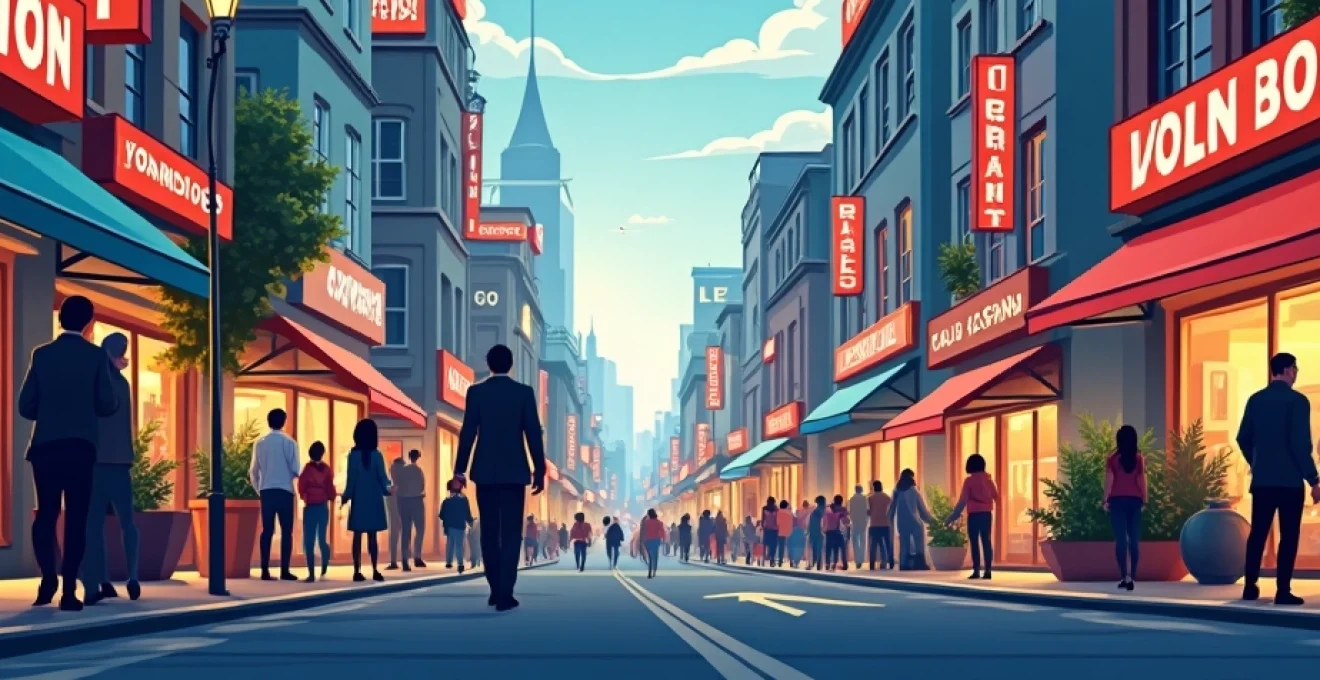
Urban centers across the globe continue to magnetize young people seeking adventure, growth, and discovery. From the bustling streets of Bangkok, recently crowned as the world’s favorite city for Generation Z, to the cultural richness of London and Paris, vibrant cities offer an irresistible combination of opportunities that speak directly to youthful ambitions. These metropolitan hubs serve as laboratories for personal development, where young explorers can experiment with different aspects of their identity while immersing themselves in environments that challenge their perspectives and broaden their horizons. The appeal extends far beyond simple tourism, representing a fundamental desire for transformation and meaningful experiences that only dynamic urban landscapes can provide.
Dynamic atmospheres fuel youthful curiosity
Cities that pulse with energy create an intoxicating atmosphere for young people who crave stimulation and constant discovery. The urban environment presents a sensory overload that appeals to the adventurous spirit characteristic of youth exploration. Streets filled with diverse sounds, vibrant visual displays, and the continuous movement of people create an ever-changing backdrop that keeps young minds engaged and alert.
Research indicates that 84% of Bangkok’s Generation Z residents report satisfaction with their urban lifestyle, largely due to the city’s dynamic atmosphere. This statistic reflects a broader trend where young people gravitate toward environments that offer unpredictability and excitement. The spontaneous nature of city life, where unexpected encounters and discoveries occur around every corner, satisfies the natural curiosity that drives young explorers to seek new experiences.
Urban density contributes significantly to this dynamic quality. When thousands of people from different backgrounds converge in concentrated spaces, the resulting energy becomes palpable. Young people thrive in these environments because they provide constant learning opportunities through observation and interaction. The fast-paced nature of city life mirrors the rapid mental development and adaptability that characterize youth, creating a natural synchronization between personal growth and environmental stimulation.
Cities also offer what researchers call ” urban serendipity ” – the phenomenon where chance encounters and unexpected discoveries occur with remarkable frequency. For young explorers, this element of surprise transforms daily routines into potential adventures. Whether stumbling upon an impromptu street performance, discovering a hidden café, or meeting someone who shares similar interests, these serendipitous moments create lasting memories and contribute to personal growth narratives.
Diverse cultural experiences broaden horizons
Metropolitan areas serve as cultural melting pots where young people can access experiences typically spread across entire continents. This concentration of diversity creates unique opportunities for personal development that simply cannot be replicated in smaller communities or homogeneous environments.
Immersion in local traditions sparks growth
Cities provide young explorers with authentic opportunities to engage with local customs and traditions that have evolved over centuries. Unlike superficial tourist experiences, urban living allows for deep cultural immersion that fosters genuine understanding and appreciation. Young people can participate in traditional festivals, learn local languages through daily interaction, and observe cultural practices firsthand.
This immersion process challenges preconceived notions and encourages critical thinking about cultural differences. When young explorers witness how different societies approach common human experiences – from family relationships to professional interactions – they develop a more nuanced understanding of the world. This cultural education extends far beyond what formal institutions can provide, offering experiential learning that shapes worldviews and personal values.
Encountering global perspectives challenges assumptions
Modern cities host international communities that bring global perspectives to local environments. Young people benefit enormously from exposure to diverse viewpoints on politics, social issues, and life philosophies. These encounters force them to examine their own beliefs and assumptions, leading to personal growth and intellectual development.
The presence of international students, expatriate communities, and global professionals creates environments where young explorers can engage with worldviews that might otherwise remain theoretical. Face-to-face conversations with people from different continents provide insights that no amount of online research or media consumption can match. This direct exposure to global perspectives cultivates intellectual humility and encourages young people to approach complex issues with greater sophistication.
Multicultural interactions cultivate Open-Mindedness
Daily multicultural interactions in vibrant cities naturally develop communication skills and cultural sensitivity. Young people learn to navigate linguistic barriers, understand non-verbal communication patterns, and appreciate different approaches to problem-solving. These skills become invaluable personal assets that serve them throughout their lives.
Cities create environments where multicultural competence becomes essential for success. Whether in professional settings, social situations, or commercial transactions, young explorers must develop the ability to work effectively with people from diverse backgrounds. This necessity drives rapid development of interpersonal skills and emotional intelligence, capabilities that prove advantageous in an increasingly globalized world.
Endless entertainment options satisfy adventure
Vibrant cities excel at providing entertainment variety that caters to different interests, moods, and energy levels. This abundance of options ensures that young people never face the boredom that often characterizes smaller communities, while simultaneously exposing them to new forms of entertainment they might never have discovered otherwise.
Vibrant nightlife scenes attract Fun-Seekers
Urban nightlife offers young people opportunities to socialize, dance, and enjoy live entertainment that smaller communities simply cannot support economically. Cities like Bangkok earn their reputation as nightlife destinations by providing diverse venues that cater to different musical tastes, social preferences, and budget considerations. From underground jazz clubs to rooftop bars with panoramic views, the variety ensures that every young person can find their preferred scene.
Nightlife venues also serve as social laboratories where young people experiment with different aspects of their personality and social skills. These environments provide safe spaces for self-expression and identity exploration while fostering connections with like-minded individuals. The social capital developed through nightlife participation often translates into professional networking opportunities and lasting friendships that enrich urban living experiences.
Eclectic dining delights tempt taste buds
Culinary diversity in major cities exposes young explorers to flavors and cooking techniques from around the world. Street food markets, ethnic restaurants, and fusion cuisine establishments create opportunities for gastronomic adventures that expand palates and cultural understanding simultaneously. Cities often concentrate decades of immigration history into their food scenes, providing young people with accessible ways to explore different cultures.
Food experiences in cities extend beyond mere consumption to include cooking classes, food festivals, and culinary workshops that teach practical skills while celebrating cultural diversity. Many young people discover passionate interests in cooking or food culture through these urban opportunities, sometimes leading to career changes or lifelong hobbies that wouldn’t have emerged in less diverse environments.
Captivating street performances enchant passersby
Street performance culture in vibrant cities provides free entertainment that young people can discover spontaneously during their daily routines. Musicians, dancers, artists, and performers transform public spaces into stages, creating unexpected moments of joy and inspiration. This accessible art form democratizes cultural experiences, ensuring that financial constraints don’t prevent young people from accessing high-quality entertainment.
Street performances also inspire young people to develop their own creative talents. Observing the courage and skill required for public performance motivates many to pursue artistic endeavors they might never have considered in more conservative environments. The supportive atmosphere surrounding street performance culture encourages experimentation and risk-taking, qualities that serve young people well in all aspects of life.
Opportunities for personal development abound
Cities provide unparalleled opportunities for personal growth through exposure to new ideas, challenging situations, and diverse perspectives. The concentration of resources, people, and experiences creates accelerated learning environments where young explorers can develop skills and insights that might take years to acquire elsewhere.
Creative outlets inspire artistic expression
Urban environments nurture creativity through exposure to established and emerging artists, access to performance spaces, and communities of like-minded creative individuals. Art galleries, theaters, music venues, and creative workshops provide young people with both inspiration and practical opportunities to develop their artistic talents. Cities support creative industries that offer pathways for transforming artistic passion into viable careers.
The creative energy of cities stems from the collision of different artistic traditions and contemporary innovations. Young explorers benefit from witnessing this creative synthesis firsthand, learning how artistic movements develop and evolve. Participation in local creative communities provides mentorship opportunities and collaborative experiences that accelerate artistic development while building professional networks.
Educational resources enable continuous learning
Metropolitan areas concentrate educational institutions, libraries, museums, and learning centers that provide young people with unprecedented access to knowledge and skill development opportunities. Universities, community colleges, and specialized training programs create environments where formal and informal learning blend seamlessly into daily life.
Beyond traditional institutions, cities offer alternative educational experiences through workshops, seminars, and skill-sharing communities. Young people can learn languages through conversation groups, develop technical skills through maker spaces, or explore new subjects through lecture series and discussion groups. This educational abundance ensures that curious young minds can pursue any interest or passion that emerges.
Engaging communities offer meaningful connections
Cities facilitate community formation around shared interests, values, or experiences in ways that smaller communities cannot support due to population limitations. Young people can find communities centered on specific hobbies, professional interests, social causes, or cultural backgrounds. These affinity-based communities provide belonging and support while encouraging personal growth through shared activities and mutual encouragement.
The diversity of urban communities means that young people can experiment with different social groups and discover where they feel most comfortable and valued. This exploration process helps them develop social confidence and interpersonal skills while providing networks that support both personal and professional development throughout their lives.
Modern amenities simplify urban living
Contemporary cities invest heavily in infrastructure and amenities that make daily life convenient and efficient for residents, particularly appealing to young people who value accessibility and ease of navigation. Public transportation systems, digital connectivity, and service availability create environments where young explorers can focus on experiences rather than logistical challenges.
Bangkok’s recognition as Generation Z’s favorite city stems partly from its combination of affordability and modern convenience. Efficient public transportation systems reduce travel time and costs, while reliable internet connectivity enables young people to maintain global connections and access remote work opportunities. These practical considerations significantly influence location decisions for young people who prioritize both adventure and practical living conditions.
Urban amenities extend to healthcare, banking, and government services that young people need as they establish independence. The concentration of services means that essential tasks can be completed efficiently, leaving more time for exploration and personal pursuits. This convenience factor becomes particularly important for young people navigating adult responsibilities for the first time.
Smart city technologies increasingly enhance urban living experiences through applications that provide real-time information about transportation, events, and services. Young people, who tend to adopt new technologies quickly, benefit from these innovations that make city navigation and resource access more intuitive and efficient. The integration of technology into urban infrastructure creates seamless experiences that support spontaneous exploration and discovery.
Cities continue evolving to meet the changing needs and preferences of young residents, incorporating feedback systems and participatory planning processes that give young voices influence over urban development. This responsiveness to youth preferences ensures that cities remain attractive destinations for successive generations of young explorers seeking transformative urban experiences. The ongoing investment in youth-friendly amenities and services reflects recognition of young people as vital contributors to urban vitality and economic prosperity.