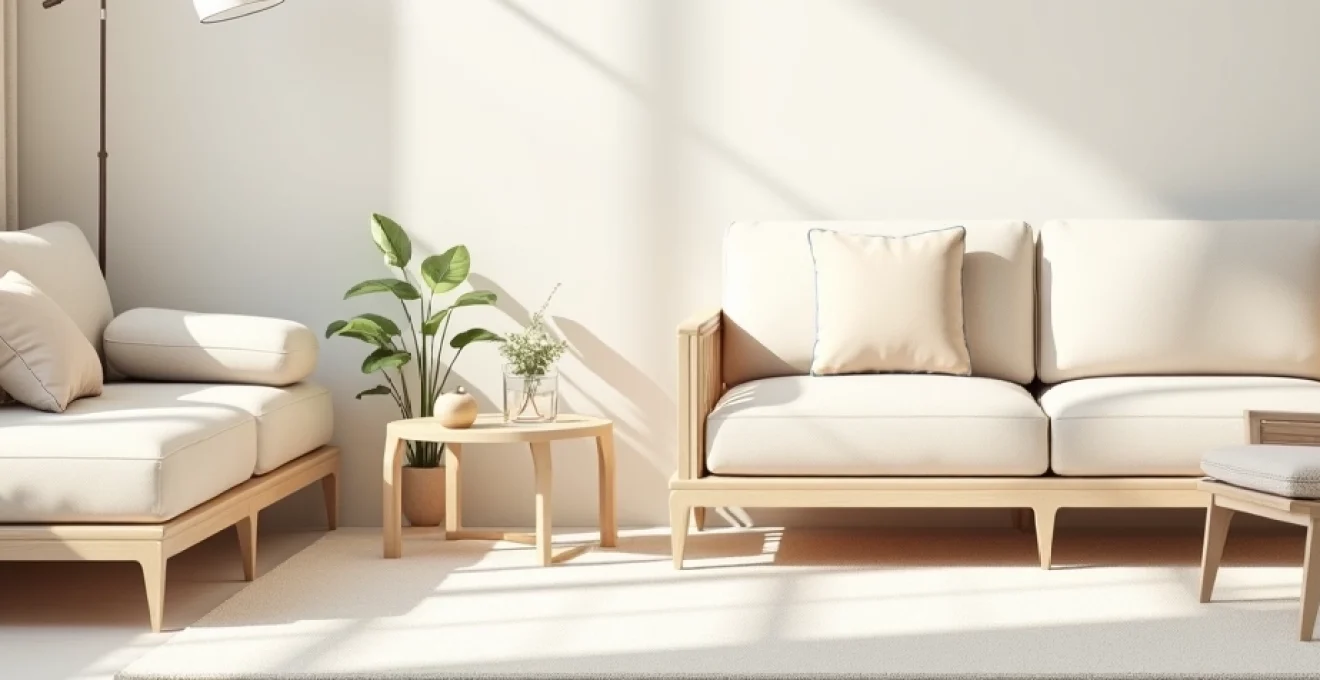
In an era characterized by information overload, constant connectivity, and overwhelming consumer choices, minimalist decor has emerged as a sanctuary of tranquility and intentional living. This design philosophy, which champions the principle of “less is more,” resonates deeply with contemporary homeowners seeking refuge from the chaos of modern life. The appeal of minimalist decor extends far beyond aesthetic preferences, touching on fundamental human needs for clarity, peace, and meaningful connection with our living spaces. As society grapples with environmental concerns, financial pressures, and the psychological toll of material excess, minimalist design principles offer a compelling alternative that prioritizes quality over quantity and mindfulness over mindless consumption.
Minimalism reflects current societal values and aspirations
The contemporary fascination with minimalist decor mirrors broader societal shifts toward sustainability, mental wellness, and authentic living. In a world where the average American household contains over 300,000 items, the minimalist movement represents a conscious rebellion against excessive materialism. This design philosophy aligns with growing environmental awareness, as consumers increasingly recognize the environmental cost of fast furniture and disposable home goods. The minimalist approach encourages thoughtful purchasing decisions, reducing waste and supporting eco-friendly manufacturing practices.
Digital overwhelm has created an unprecedented need for physical spaces that provide visual and mental respite. As remote work becomes more prevalent, homes must serve multiple functions while maintaining a sense of calm and focus. Minimalist decor addresses these modern challenges by creating environments that promote concentration and reduce distractions. The clean lines, uncluttered surfaces, and carefully curated elements typical of minimalist spaces help counterbalance the constant stimulation of digital devices and busy schedules.
Economic factors also contribute to minimalism’s appeal, particularly among younger generations facing housing affordability challenges and student debt burdens. The minimalist philosophy of investing in fewer, higher-quality pieces rather than accumulating numerous inexpensive items makes financial sense for budget-conscious consumers. This approach to decorating can lead to long-term savings while creating more sophisticated and timeless interiors that don’t require frequent updates to maintain their relevance.
Key principles of minimalist interior design
Understanding the fundamental principles of minimalist design helps explain its enduring appeal and practical benefits. These core concepts work together to create spaces that feel both sophisticated and serene, offering a compelling alternative to more complex decorating approaches.
Focus on simplicity and visual clarity
Minimalist design prioritizes visual simplicity through careful editing of decorative elements and strategic use of negative space. This approach creates rooms that feel larger and more open, even in smaller homes or apartments. The principle of visual clarity involves removing unnecessary objects and allowing each remaining piece to have breathing room and purpose. This doesn’t mean creating stark, empty spaces, but rather curating environments where every element serves both functional and aesthetic purposes.
The concept of negative space plays a crucial role in achieving visual clarity. By allowing walls, floors, and surfaces to remain relatively unadorned, minimalist spaces create a sense of calm and order that many find psychologically beneficial. This approach helps reduce visual noise and allows the eye to rest, creating a more peaceful atmosphere that supports relaxation and focus. The strategic use of empty space also highlights the beauty of architectural features and the few carefully selected decorative elements.
Emphasis on high quality natural materials
Minimalist design places tremendous importance on material quality and authenticity, favoring natural materials like solid wood, stone, linen, and wool over synthetic alternatives. These materials not only offer superior durability and aging characteristics but also provide the subtle textures and variations that prevent minimalist spaces from feeling cold or sterile. The emphasis on natural materials creates warmth and visual interest without relying on elaborate patterns or excessive decoration.
The quality-over-quantity approach extends to every aspect of material selection, from flooring and wall treatments to furniture and textiles. High-quality natural materials develop character over time, becoming more beautiful with age rather than showing wear in unattractive ways. This philosophy supports sustainability goals while creating spaces that feel luxurious and sophisticated despite their restrained aesthetic. The investment in superior materials also proves economical over time, as these pieces last longer and maintain their appeal better than cheaper alternatives.
Importance of functional well-designed pieces
Every item in a minimalist space must earn its place through exceptional functionality, beauty, or both. This principle eliminates purely decorative objects in favor of pieces that serve multiple purposes or provide genuine utility while maintaining aesthetic appeal. Functional design becomes art in minimalist interiors, where a beautifully crafted storage cabinet or elegantly designed lighting fixture serves as both practical solution and visual focal point.
The focus on well-designed functionality encourages investment in pieces created by skilled craftspeople or established design houses. These items typically feature superior construction, timeless proportions, and materials that improve with age. The emphasis on function also promotes intelligent space planning, where furniture placement and room layout serve the inhabitants’ daily routines while maintaining the clean, uncluttered appearance that defines minimalist style.
Minimalist decor creates calming relaxing environments
The psychological benefits of minimalist decor contribute significantly to its widespread appeal, particularly as society becomes increasingly aware of the connection between physical environment and mental wellbeing. Research consistently demonstrates that cluttered, chaotic spaces increase cortisol levels and contribute to feelings of stress and anxiety. Conversely, organized, simplified environments promote relaxation and mental clarity, making minimalist design principles particularly attractive to those seeking refuge from demanding lifestyles.
The calming effect of minimalist spaces stems from several design elements working in harmony. Neutral color palettes, typically featuring whites, grays, and earth tones, create a soothing visual foundation that doesn’t compete for attention or overstimulate the senses. Clean lines and simple geometric forms contribute to a sense of order and predictability that many find psychologically comforting. The absence of visual clutter allows the mind to relax rather than constantly processing and organizing competing visual stimuli.
Minimalist design also promotes better sleep quality and overall wellness through its emphasis on creating serene bedroom environments. By removing electronic devices, excessive furniture, and decorative distractions from sleeping spaces, minimalist bedrooms become sanctuaries dedicated solely to rest and relaxation. The simplified color schemes and natural materials commonly used in minimalist design support circadian rhythms and promote deeper, more restorative sleep.
The beauty of minimalist design lies not in what it removes, but in how it allows the essential elements to shine and create spaces that truly serve human wellbeing.
The concept of digital minimalism often accompanies physical minimalism in home design, creating environments that support healthy relationships with technology. Minimalist spaces typically incorporate thoughtful storage solutions for electronic devices, designated charging stations, and room layouts that encourage face-to-face interaction rather than screen-focused activities. This holistic approach to simplification addresses both physical and digital overwhelm, creating homes that support more mindful, intentional living.
Versatility of minimalist style across design eras
The enduring appeal of minimalist decor partly stems from its remarkable adaptability across different design movements and cultural contexts. Rather than representing a single aesthetic approach, minimalism serves as a design philosophy that can be interpreted and expressed through various stylistic lenses while maintaining its core principles of simplicity, functionality, and intentionality.
Minimalism in mid-century modern design
Mid-century modern design and minimalism share fundamental principles that make them natural companions in contemporary interiors. Both movements emphasize clean lines, functional beauty, and the elimination of unnecessary ornamentation. Mid-century modern furniture, with its sleek profiles and emphasis on form following function, perfectly complements minimalist design principles while adding warmth and character through its use of wood grains and organic curves.
The integration of indoor and outdoor living spaces, a hallmark of mid-century modern architecture, aligns perfectly with minimalist goals of creating calm, connected environments. Large windows, open floor plans, and the use of natural materials create seamless transitions between interior and exterior spaces. This connection to nature provides the visual interest and seasonal variation that prevents minimalist spaces from feeling static or boring.
Scandinavian minimalism prioritizes light neutral palettes
Scandinavian design represents perhaps the most successful and widely adopted interpretation of minimalist principles, combining the movement’s emphasis on simplicity with a uniquely Nordic appreciation for coziness and human comfort. The Scandinavian approach to minimalism prioritizes functionality while maintaining warmth through the use of light woods, soft textiles, and carefully considered lighting design. This balance between restraint and comfort has made Scandinavian minimalism particularly appealing to families and those seeking livable rather than museum-like interiors.
The Scandinavian emphasis on natural light and neutral palettes creates spaces that feel fresh and airy even during long winter months. White and light gray walls reflect available light, while strategic use of mirrors and light-colored surfaces amplifies brightness throughout the day. The addition of natural wood elements, typically in blonde or light brown tones, provides warmth and texture without compromising the clean, simplified aesthetic that defines minimalist design.
Japanese minimalism inspired by zen philosophy
Japanese design traditions have profoundly influenced contemporary minimalism, contributing concepts like wabi-sabi (finding beauty in imperfection) and ma (the power of negative space). Japanese minimalism emphasizes the spiritual aspects of simplified living, viewing decluttered spaces as pathways to mental clarity and inner peace. This philosophical foundation gives Japanese-inspired minimalism a depth and intentionality that resonates with those seeking more meaningful relationships with their living environments.
The Japanese concept of kanso, which involves eliminating clutter and unnecessary elements to achieve simplicity, directly parallels minimalist design principles. Traditional Japanese interiors demonstrate how powerful restraint can be, using natural materials, subdued colors, and careful proportions to create spaces that feel both sophisticated and deeply peaceful. The influence of Japanese tea ceremony aesthetics brings attention to the ritual aspects of daily life, encouraging mindful interaction with home environments.
Minimalism as a reaction against consumer culture
The popularity of minimalist decor reflects a growing skepticism toward consumer culture and its promise that happiness can be purchased through material accumulation. This design philosophy represents a conscious choice to step away from the constant pressure to acquire new products, update home decor seasonally, and fill every available space with possessions. Instead, minimalism promotes a more thoughtful approach to consumption that prioritizes meaning and longevity over novelty and quantity.
Minimizing clutter by owning fewer things
The decluttering aspect of minimalist design goes beyond aesthetic preferences to address the practical and psychological burdens of excessive possessions. Studies indicate that people spend significant time each day managing and organizing their belongings, time that could be redirected toward more meaningful activities. Minimalist design principles help reduce these daily maintenance tasks while creating more functional and peaceful living environments.
The process of intentional decluttering often reveals how many possessions serve no real purpose in daily life beyond occupying space and requiring attention. By systematically evaluating belongings based on utility, beauty, and emotional significance, homeowners can identify which items truly enhance their lives and which merely create visual and mental clutter. This process often leads to surprising discoveries about personal values and priorities, making minimalist design as much about self-discovery as aesthetic achievement.
Conscious consumption of Well-Made lasting items
Minimalist design promotes a fundamental shift from quantity-based to quality-based consumption, encouraging investment in fewer, better-made items rather than numerous inexpensive alternatives. This approach often proves more economical over time, as well-made furniture, textiles, and decorative objects maintain their beauty and functionality for decades rather than requiring frequent replacement. The emphasis on quality also supports skilled craftspeople and manufacturers committed to sustainable production methods.
The concept of conscious consumption extends beyond individual purchases to consider the broader impact of buying decisions on environmental sustainability and social responsibility. Minimalist design principles encourage research into product origins, manufacturing processes, and company values, promoting support for businesses that align with minimalist philosophy. This thoughtful approach to acquisition helps create homes filled with meaningful objects that tell stories about personal values and experiences rather than simply following current trends.
True minimalist design is not about deprivation, but about discovering the profound satisfaction that comes from surrounding yourself only with things that genuinely enhance your life and reflect your authentic self.
Rejection of trends in favor of timelessness
Minimalist design inherently rejects the fast-paced cycle of decorating trends in favor of timeless elements that maintain their appeal across seasons and years. This approach protects homeowners from the expense and effort of constant redecoration while creating spaces with lasting beauty and relevance. The focus on classic proportions, neutral colors, and high-quality materials ensures that minimalist interiors age gracefully rather than appearing dated as trends change.
The pursuit of timeless design requires understanding the difference between passing fads and enduring aesthetic principles. Minimalist design draws inspiration from architectural and design traditions that have proven their staying power over decades or centuries, incorporating elements that speak to fundamental human preferences for proportion, harmony, and natural beauty. This historical awareness helps create spaces that feel both contemporary and rooted in design wisdom.
The rejection of trend-based decorating also supports more sustainable consumption patterns, as timeless pieces don’t require frequent replacement to maintain visual relevance. This approach encourages investment in classic furniture designs, neutral color schemes, and quality materials that improve with age rather than showing wear in unattractive ways. The result is homes that feel both current and enduring, reflecting personal style rather than temporary market preferences.